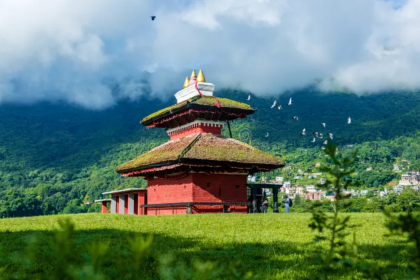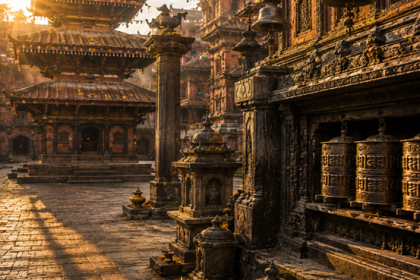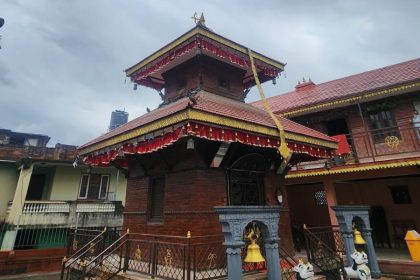
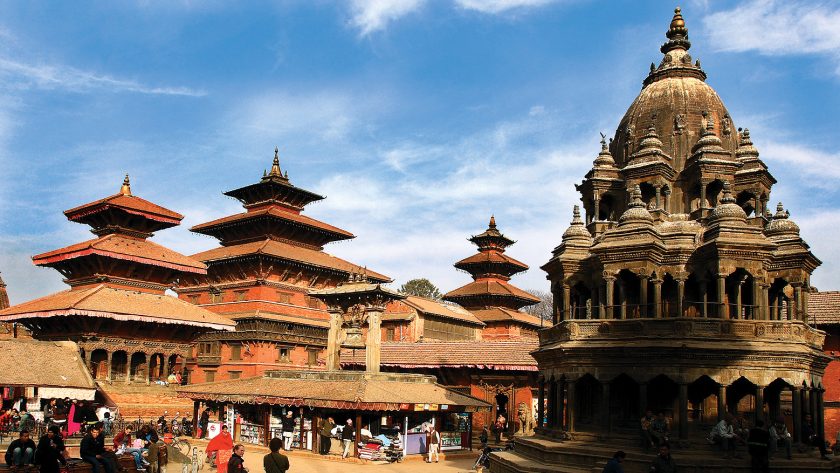
Patan Durbar Square is full of wonders; the building looks like it belongs in a fairy tale. It is located in the heart of Patan. This historic square is one of the best places to explore Nepal’s architecture.
Patan Durbar Square is home to beautiful temples, courtyards, and palaces. These are hundreds of years old. The carved woods, stone statues and ancient designs all tell a story. Anyone who loves to learn about history, art, or adventure, Patan Durbar Square is the perfect place to visit.
Why Is Patan Durbar Square Famous?
Patan Durbar Square, also known as Patan Durbar, is a UNESCO World Heritage Site. It was once the royal palace area of the Malla kings. Today, visitors from all over the world come to admire the amazing architecture, rich culture, and skilled craftsmanship. The square shows why Patan is known as the city of arts.
Top 10 Architectural Masterpieces in Patan Square
1. Krishna Mandir
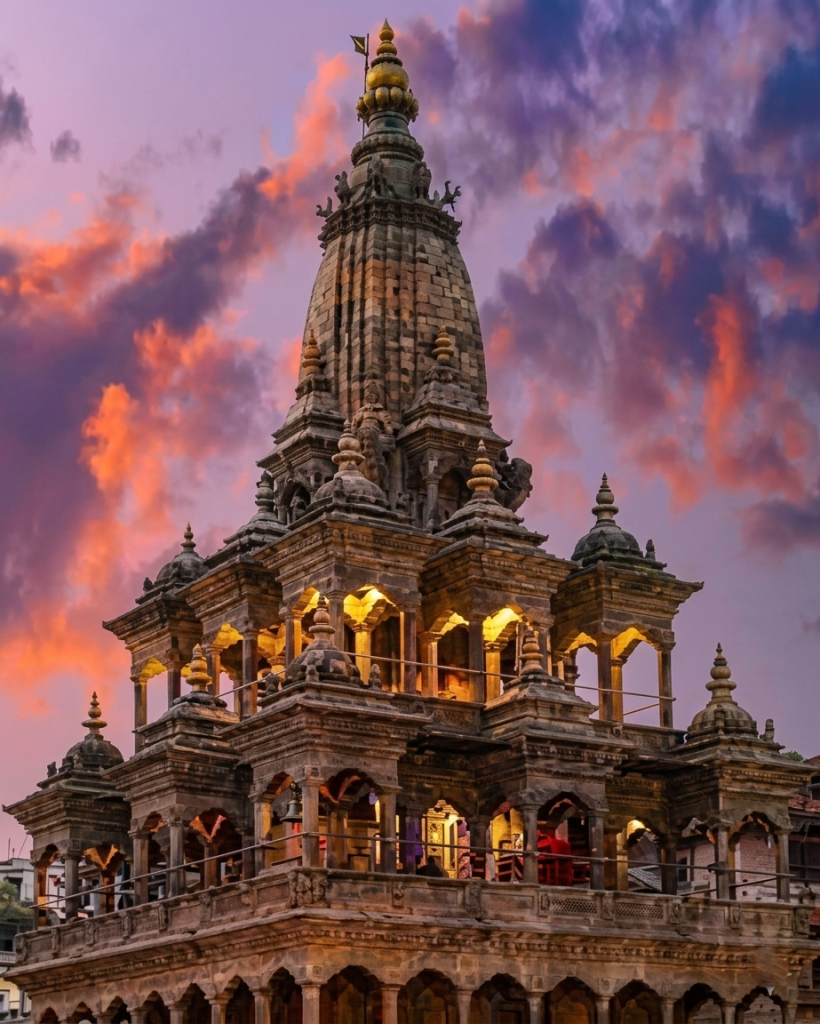
Krishna Mandir is one of the most famous temples in Patan. King Siddhi Narsingh Malla. built it in 1637 AD. Unlike many temples in Nepal, it is built entirely form carved stone where on the other hand other temples are made from brick and wood.
The temple has three levels crowned with 21 golden pinnacles (shikharas) that enhance its vertical appearance. The first-floor carvings show scenes from the Mahabharata. The second-floor carvings show stories from the Ramayana. The temple showcases the skills of Newar craftsmen and Nepal’s rich cultural heritage. Its unique style makes it a true architectural masterpiece.
2. Bhimsen Temple
Bhimsen Temple is dedicated to Lord Bhimsen (Bhima). Lord Bhimsen is one of the five Pandava brothers from the Mahabharata. Newar community worshippes Lord Bhimsen as god of trade and business. The temple is a three-story pagoda-style temple. It represents the traditional Newar architectural style, commonly seen in Kathmandu Valley.
The temple combines wood, brick, stone, and metal decorations, creating a rich and detailed appearance. The golden windows are very famous. It is considered one of its most unique architectural features. A lion statue stands on a pillar in front of the temple, symbolising strength and protection. The temple remains as one of the most significant monuments in Patan Durbar Square and showcases Nepal’s rich architectural heritage.
3. Vishwanath Temple
Vishwanath Temple is dedicated to Lord Shiva. It was built around 1627 AD during the reign of King Siddhi Narshingh Malla. The temple stands between Krishna Mandir and Bhimsen Mandir in Patan Durbar Square. It is a fine example of traditional Newar architecture in the Malla era. It features a combination of brick, wood, and stone craftsmanship.
The temple has a two-story pagoda-style roof, a common feature of many temples in the Kathmandu valley. The roof supports contain carvings of couples on their wooden support beneath the roof. Inside the temple is a stone Shiva Linga, which is worshiped by people. Two large stone elephants standing at the entrance of the temple are a symbol of guardians, strength, protection, and wisdom. A sculpture of Nandi (the sacred bull of Shiva) is placed near the temple, emphasising the connection to Lord Shiva. These decorations make the temple both educational and exciting to explore.
4. Taleju Bell
The Taleju Bell is a historic bronze bell. The bell is located in Patan Durbar Square near the Taleju Temple. It was installed by King Vishnu Malla in the 18th century. It was used to announce important ceremonies, royal events, etc.
The bell is an excellent example of traditional metal craftsmanship of the Malla era. The bronze structure shows the advanced casting skills of Nepali craftsmen. It contributes to the artistic and historical landscape of Patan Durbar Square.
5. Mul Chowk
Mul Chowk is the largest courtyard inside the Patan royal palace. It served as the main royal courtyard of the Malla kings and was used for religious ceremonies and royal activities. The courtyard showcases the finest example of Newar architecture and craftsmanship.
It is centred around the Taleju Bhawani Temple, the royal goddess of Malla rulers. The courtyard is surrounded by buildings arranged in symmetry, which create a balanced and harmonious design. The beautiful brickwork, carved wooden details, and metal decorations can be seen throughout the complex. Its design and historical significance make it one of the most important attractions in Patan Durbar Square.
6. Sundari Chowk
Sundari Chowk is the most beautiful and famous courtyard in the Patan Royal Palace. It is famous for Tusha Hiti, located at the centre, a beautifully carved royal bath. Tusha Hiti is regarded as one of the masterpieces of stonework in Nepal. It is decorated with finely carved stone sculptures, which include images of Hindu deities and mythical figures.
The courtyard is surrounded by wooden windows, doors, and balconies, which showcase the skills of Newar craftsmen. It serves both residential and ceremonial purposes within the royal palace. The detailed artwork makes the courtyard one of the finest examples of Nepal’s architecture.
7. Keshav Narayan Chowk
Keshav Narayan Chowk is one of the three main courtyards of Patan Royal Palace. It is named after the Keshav Narayan Temple, which is dedicated to Lord Vishnu located within the courtyard. The buildings surrounding are constructed using different types of brick, wood, and terracotta decorations. The courtyard combines royal architecture with artistic beauty. It gives visitors a glimpse of the lives of ancient rulers.
8. Patan Museum:
Patan Museum is located within Keshav Narayan Chowk in the Patan Royal Palace complex. The museum is one of the best museums in Nepal. Tourists are attracted by its Newar architecture. It includes carved wooden windows, courtyards, and traditional palace buildings.
The museum is built with brick, timber, and terracotta. It preserves the beauty of the Royal Palace and showcases the craftsmanship of Newar craftsmen. The building itself is a combination of traditional Newar architecture.
9. Char Narayan Temple
Char Narayan Temple is one of the oldest temples of Patan Durbar Square. The temple is dedicated to Lord Vishnu (Narayan). It may be smaller than other structures, but it is rich in detail. It has two story pagoda style roof and is constructed mainly from brick and timber.
The temple is known for its wooden carved support, doors, and timber. It shows the craftsmanship of Newar craftsmen. The temple shows Hindu gods and mythological figures, which adds both religious value to the monument and the artistic value. It has a well-balanced appearance, which enhances the beauty of Patan Durbar Square.
10. Mani Mandap
Mani Mandap is a beautiful historic pavilion (falcha) within Patan Durbar Square. It is built in the traditional Newar style. It serves as an open public structure used for religious gatherings, cultural events, and community activities. The pavilion (falcha) is supported by beautifully carved wooden pillars. It features a traditional tiled roof, which shows the craftsmanship of Malla-era craftsmen.
The pavilion (falcha) allows visitors to appreciate the surrounding monuments while providing a space for rest and social interaction. The structure is less elaborated than other temples around it, but still it contributes to the historical and cultural atmosphere of Patan Durbar Square and remains as an important part of Patan’s architectural heritage.
What Makes the Architecture in Nepal Special?
Patan Durbar Square is a very popular and crowded place in Patan. Locals and tourists from different countries come to visit here for its architectural and historical value. The temples, courtyards, and palace buildings are decorated with wood carvings, stone sculptures, handcrafted windows, and traditional pagoda-style roofs. Together, these features the important example of the Newar architecture of Nepal, mainly from the Malla era.
Conclusion
Patan Durbar Square is not just a tourist attraction, but it’s much more than that. It is a living showcase of Nepal’s historic architecture, artistic, and cultural heritage. From the beauty of Krishna Mandir to royal courtyards, each site tells a unique story. A visit to Patan Durbar Square offers