Top 10 Ancient Wells in Patan and Traditional Water System in Lalitpur shows the engineering skills of ancient Newar communities. Before modern taps, pipes, and water tanks were build, people used stone spouts, ponds, canals, and wells to supply clean water throughout the city. It supported homes, temples, and public spaces for hundreds of years.
In the past, Patan did not have proper water supply like (taps, pipes, or water tanks). So people used to make smart water systems from stone, ponds, canals, and wells. These wells provided clean water to the home, temples and public places for hundered of years.
The ancient wells showed the creativity and engineering skills of Newar people. Many of these water systems are still in working conditions. Today they remain an important part of Nepal’s cultural heritages.
Why the Top 10 Ancient Wells and Traditional Water System in Lalitpur Were Important:
The Top 10 Ancient Wells in Patan and Traditional Water System in Lalitpur shows how ancient communities manages water resources efficiently without modern technology.
The traditional water systems of Nepal used underground water, rainwater, and stone canals to provide water and help people to collect, store and share the water throughout the year.
These systems were eco-friendly that means it does not need any electricity and other mechanisms to run the water supply.
They helped the people by:
- Providing clean drinking water
- Saving water during dry seasons
- Supporting farming and household work
- Protecting natural water sources
- Reducing floods during heavy rain
Top 10 Ancient Wells and Traditional Water System in Patan are:
1. Manga Hiti :
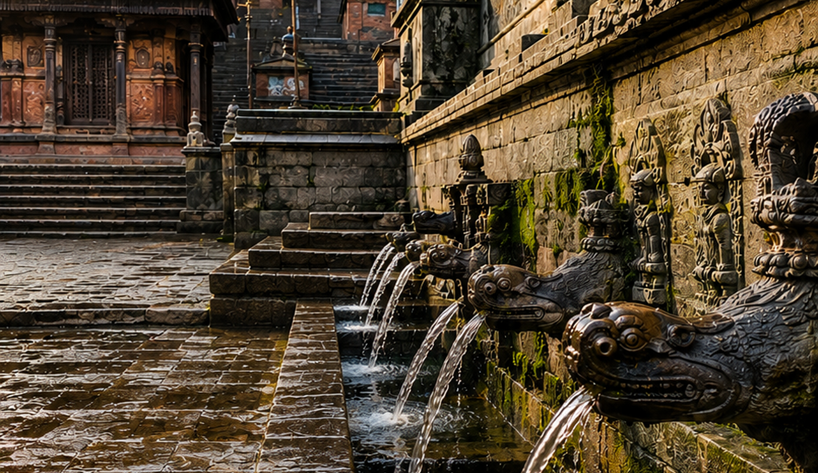
Manga Hiti is the oldest traditional stone water spout (hiti) in Patan, Nepal. This is located right across from the Bhimsen Temple in Mangal Bazar. Local rulers built it during the Licchavi period around 1,400 years ago.
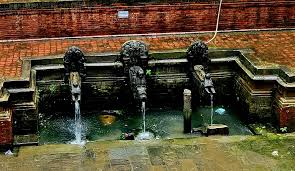
In this hiti, Water flows through underground stone channels and comes out from beautifully carved spouts. This is one of the famous hiti system Nepal. Manga Hiti is one of the best example of ancient engineering in Nepal.
2. Tusha Hiti
Tusha Hiti is a hidden under ground water system. The royal family used it the past. Located at Sundari Chowk in Patan Durbar Square, Tusha Hiti is one of the city’s most remarkable underground water systems.
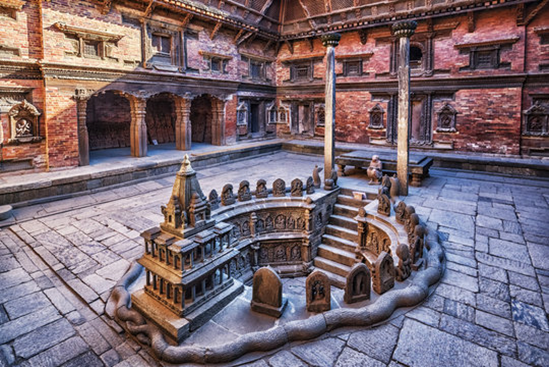
Additionally, the octagonal walls contain beautiful carvings and old statues. The place combines art, culture, and smart water technology. It is built below street level, and people have to walk down stone steps to reach it.
The place is famous for its beautiful carvings, old statues, and cool underground design. Water flows through hidden underground channels naturally.
3. Sundhara
Sundhara is a historic stone water spout (hiti) was once used by royal families and local residents. The word “Sundhara” means beautiful tap.
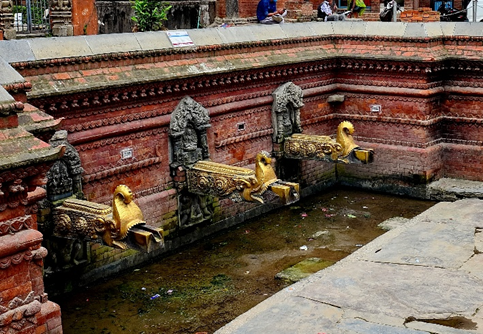
The stone are decorated with the carvings of lions and mythical animals. The water flows through underground stone canals without electricity. People used it for drinking, washing, and daily life for hundreds of years.
Today, Sundhara remains one of the important historic water systems in Nepal.
It is famous for:
- Beautiful stone carvings
- Traditional Newari design
- Smart ancient water engineering
- Cultural and historical importance
4. Pimbahal
Pimbahal is a large historic pond that lies in Patan, Lalitpur. People bulit to stored rainwater and help to supply water to the wells and stone spouts.
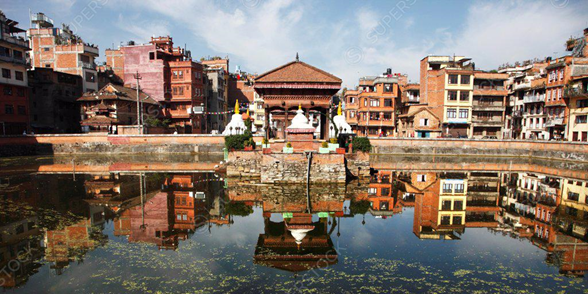
Moreover, for many years, it supported the conservation of water supply. It helped recharge underground water and reduce flooding during heavy rains.
It is describe it as one of the best sustainable ancient water systems.
Important Benefits
- Stored rainwater safely
- Helped reduce flooding
- Refilled underground water naturally
5. Nag Bahal Hiti
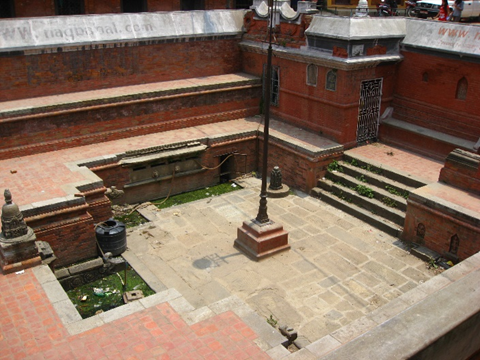
Nag Bahal Hiti is one of the oldest stone water spouts (known as dhunge dhara). It is located inside Newari settlement (basti) near Patan Durbar Square. Many people believed the water had religious importance.
It is build 1000 + years ago during Licchavi period. It shows the importance of Newar culture and Buddhist heritage.
Furthermore, it shows the advance engineering of ancient people. This area is also use for cultural programs, music events and gatherings.
6. Kumbeshwar Hiti and Konti Hiti
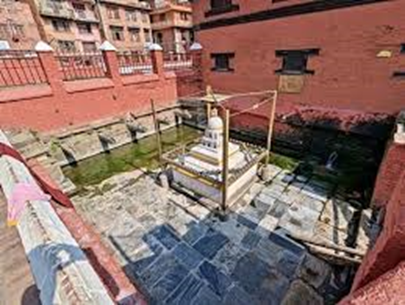
Kumbeshwor Hiti is a traditional stone water spout that is located near Kumbeshwor Temple in Patan. Newar communities created this underground water system. People used the it for drinking, bathing, and religious activities. It is connected with Hindu culture because the nearby temple (Kumbeshwor Temple) is dedicated to Lord Shiva.
Konti Hiti is another water spout in near Kumbeshwor Temple. It was built to provide clean water to local people. It shows the engineering skills of ancient communities. The water flowed through underground canals. Konti Hiti is known as the historical and cultural heritage place in Patan.
7. Sauga Hiti
Sauga Hiti is a traditional stone water spout located in Patan, Lalitpur. Before the modern taps and pipelines arrived, locals used it for drinking water, washing, and daily household work.
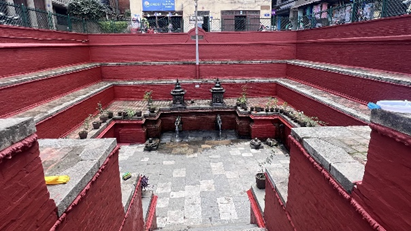
The water comes through underground canals that is connected to natural water sources. This shows the advanced engineering knowledge of ancient Nepal. The hiti is made with carved stone structures and reflects traditional Newar architecture.
Sauga Hiti is also culturally important because stone spouts is a part of Patan’s historical and cultural heritage. Therefore it helps people understand the traditional water management system.
8. Iku Hitti
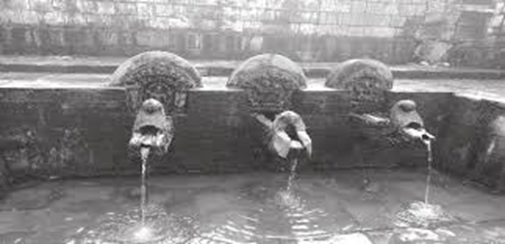
Iku Hiti is an ancient traditional stone water spout located in Dhobighat, Lalitpur. Ancient builders constructed it during the Licchavi period. It is an important source of water for local people. Before modern pipelines existed, people used it for drinking water, washing, bathing, and other daily household activities. The water flows through underground canals connected to natural water sources.
Iku Hiti reflects traditional Newar art and architecture influenced by both Hindu and Buddhist culture. In remains a symbol of Patan’s traditional water system and historical heritage.
9. Kwa Bahan Hiti
Kwa Bahan Hiti is a traditional stone water spout in Patan, Lalitpur. It is part of the ancient sustainable water system used by the Newar people. The system uses gravity to move water naturally without electricity or machines.
As a result, it is eco-friendly, long-lasting, and efficient for natural water distribution. It is used for drinking water, washing, and daily activities for many centuries. It is an important example of traditional water engineering and cultural heritage in Patan.
10. Haugal Hiti
It is a traditional stone water spout located in the Haugal area of Patan, Lalitpur. It is part of the ancient Newar water system. People used it for drinking water, washing clothes, bathing, and other daily needs.
The Haugal area of Patan is also known for old settlements (houses) and traditional Newar culture. Today, Haugal Hiti is known as a cultural heritage site that shows the old water management system.
What Makes the Traditional Water Systems in Lalitpur Special?
Patan is famous for its ancient traditional water system made of stone spouts (hiti), ponds, and underground canals. It was built hundreds of years ago without modern machines.The Patan water system became successful because it worked closely with nature.
As a result, these traditional water systems provided several long-term benefits:
- Used underground water wisely
- Stored rainwater carefully
- Worked without electricity
- Lasted for hundreds of years
- Supported local communities
Today, the Top 10 Ancient Wells in Patan and Traditional Water System in Lalitpur continue to attract visitors, researchers, that are interested in Nepal’s traditional engineering.
Conclusion
The Top 10 Ancient Wells in Patan and Traditional Water System in Lalitpur remain important symbols of Nepal’s cultural heritage and sustainable water management practices.
The ancient wells and traditional water systems in Patan were very important for people’s daily life for many years. Stone spouts, ponds, canals, and wells gave clean water for drinking and other needs, helping the city survive.
it also shows how smart and creative the ancient people were. Even today, many of these water structures are still found in Nepal and are valued as important historical and cultural heritage.