Overview
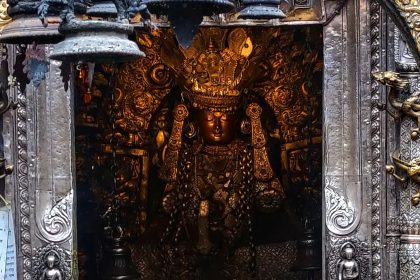
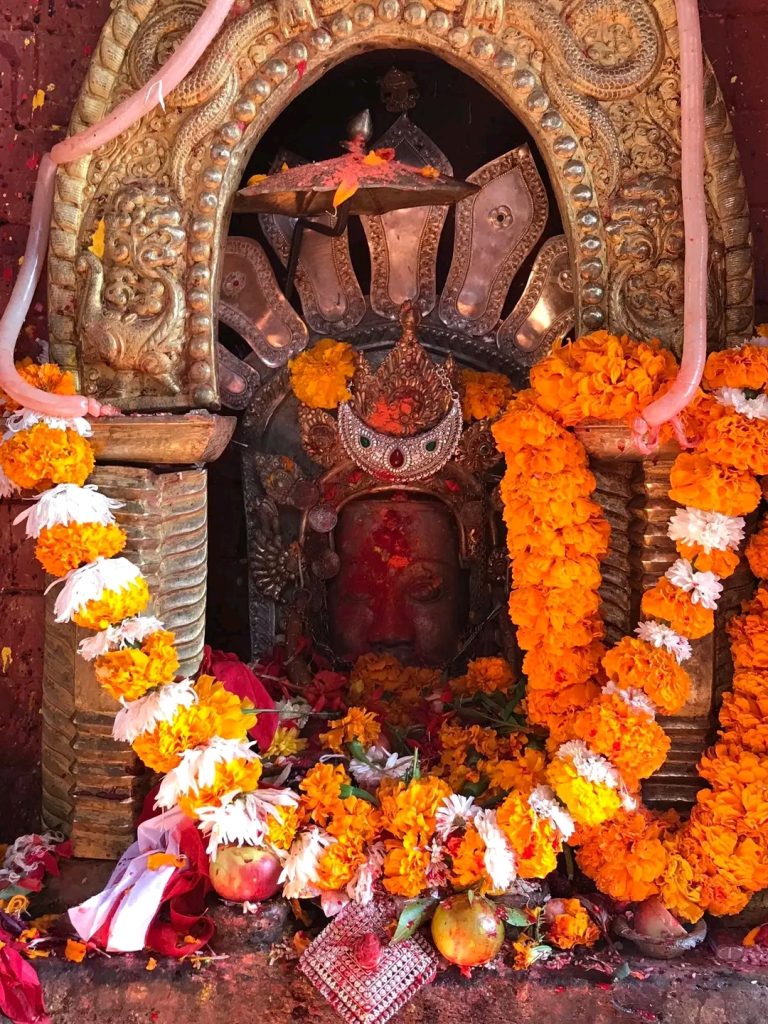
Bhimsen is a special character in an old story called the Mahabharata. He was super strong—like the superhero of his time! In Newari culture, people believe Lord Bhimsen protects families and helps businesses succeed. That’s why so many people celebrate Bhimsen Jatra every year.
The festival is a big deal in many towns. Here’s what happens:
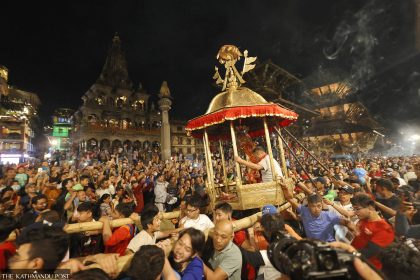
- Parades: People pull huge, decorated chariots through the streets. There’s music, dancing, and lots of cheering.
- Offerings: Families visit Bhimsen temples. They bring fruits, flowers, and tasty foods to say thank you and ask for blessings.
- Feasts: Everyone loves the special festival foods! Families cook and share meals with neighbors and friends.
Historical Background
Bhimsen Jatra is more than just fun. It teaches us about community and teamwork. Everyone helps with the festival—kids, parents, and even grandparents! The festival keeps old traditions alive and helps young people learn about their culture.

- Only the Newar communities celebrate this festival.
- The chariots can be as tall as a house!
- Special music, called “Dhimay,” is played during the parade.
- Many shops and businesses decorate with bright colors.
The festival carries deep religious meaning for devotees. People believe that worshipping Lord Bhimsen brings strength, courage, prosperity, and protection from difficulties. During the festival, devotees visit Bhimsen temples early in the morning to offer flowers, fruits, incense, oil lamps, and traditional foods.
Priests perform special prayers and rituals to honor the deity. Devotees chant hymns and participate in religious ceremonies with great faith and devotion. Many business owners and traders especially take part in the festival because they consider Bhimsen their guardian deity.
The festival also symbolizes the victory of strength, determination, and righteousness. Through prayers and offerings, devotees seek blessings for personal success, family happiness, and community welfare.
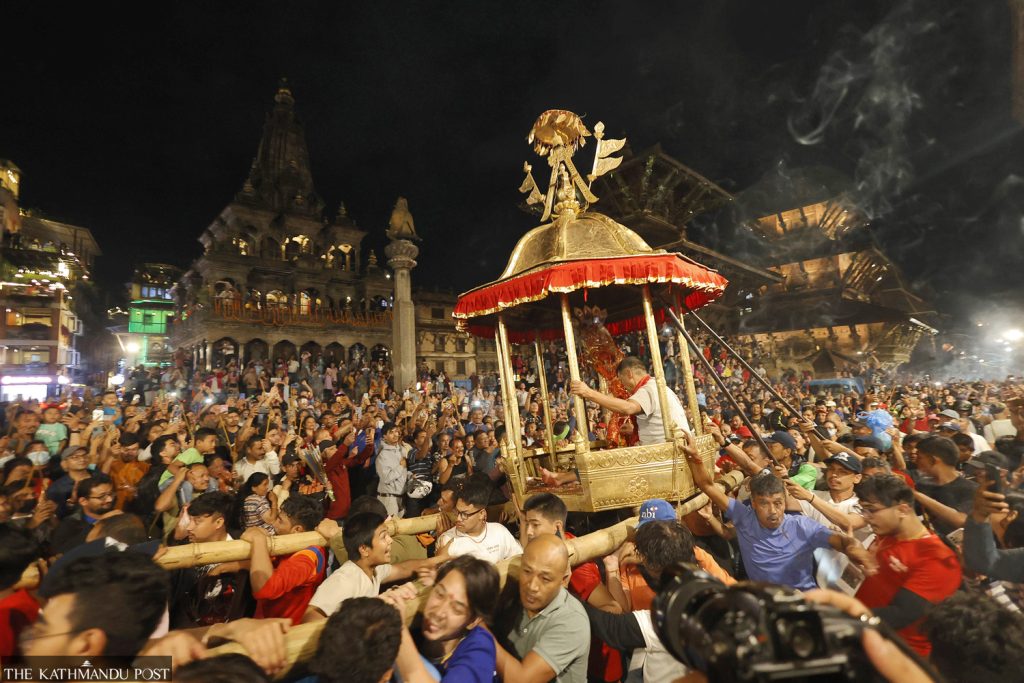
One of the most attractive features of Bhimsen Jatra is its lively celebration. The festival atmosphere becomes energetic and joyful as local communities organize traditional processions, musical performances, and cultural events.
Decorated chariots carrying images or idols of Lord Bhimsen are pulled through the streets by devotees. Traditional Newari musical instruments such as dhimay drums, bhusya cymbals, and trumpets fill the air with festive sounds. Local people gather wearing traditional Newari dresses and participate enthusiastically in the celebrations.
Many communities also organize feasts and communal meals where relatives, neighbors, and guests come together. This strengthens social harmony and promotes unity among people. Traditional dances and folk performances are another important part of the festival, showcasing the artistic heritage of the Newar civilization.
In some places, masked dances and dramatic performances based on religious stories are performed to entertain the public and educate younger generations about cultural traditions.
The festival is not only a religious event but also an important cultural identity of the Newar community. Newars are renowned for preserving their ancient traditions, architecture, music, festivals, and rituals, and Bhimsen Jatra plays a significant role in maintaining this heritage.
The celebration allows younger generations to learn about their customs, beliefs, and history. Elders teach children the significance of rituals, traditional songs, and cultural values associated with the festival. In this way, Bhimsen Jatra helps preserve Newari culture from one generation to another.
The festival also highlights the importance of community cooperation. Many activities during the celebration are organized collectively by local groups and neighborhood communities. People work together to clean temples, decorate streets, prepare offerings, and arrange cultural programs. This spirit of cooperation strengthens social bonds and community pride.
A long time ago, Bhimsen Jatra was very important for people who bought and sold things. Lord Bhimsen was thought to keep shopkeepers and traders safe. During the festival, they prayed to him to help their businesses do well and earn more money.
Even today, markets and shops get very busy during the festival. People sell yummy foods, pretty decorations, colorful clothes, and special gifts. Many visitors, even from other countries, come to see the fun and learn about Nepal’s culture.
Cultural festivals like Bhimsen Jatra contributes for preservation of traditional arts, music, dance, and craftsmanship. They provide opportunities for local artists and musicians to showcase their talents and keep ancient traditions alive.
Conclusion
Bhimsen Jatra is more than just a religious celebration; it is a symbol of devotion, cultural heritage, unity, and historical identity. The festival reflects the richness of Newari civilization and the strong connection between spirituality and community life in Nepal.
Through prayers, processions, music, dances, and communal gatherings, people celebrate not only Lord Bhimsen but also the values of cooperation, tradition, and cultural pride. As Nepal continues to modernize, preserving festivals like Bhimsen Jatra remains essential for protecting the nation’s diverse cultural heritage.
The vibrant celebration continues to inspire devotion and bring communities together, reminding future generations of the importance of faith, tradition, and shared cultural identity.