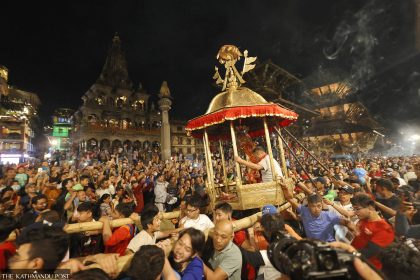
The Malini role and cultural significance in Lalitpur tradition is deeply rooted in the sacred Bungadya festival, https://www.facebook.com/TheNewars.Nepal/posts/bunga-dyah-jatra-where-is-mainly-constructed-or-started-at-pulchowk-end-of-lalit/2070046783120381/ where an unmarried girl from the Lalit Rathchakra Jyapu clan is chosen to carry the life force of Bungdya Karunamaya. She performs sacred worship and represents motherhood and the divine energy of Shakti during the Rato Machindranath jatra; https://en.wikipedia.org/wiki/Rato_Machindranath_Jatra
The community selects this unmarried girl from a specific family line. She must come from the clan of the Lalit Rathchakra Jyapu in Lalitpur.
Sacred Rituals Before the Chariot Procession
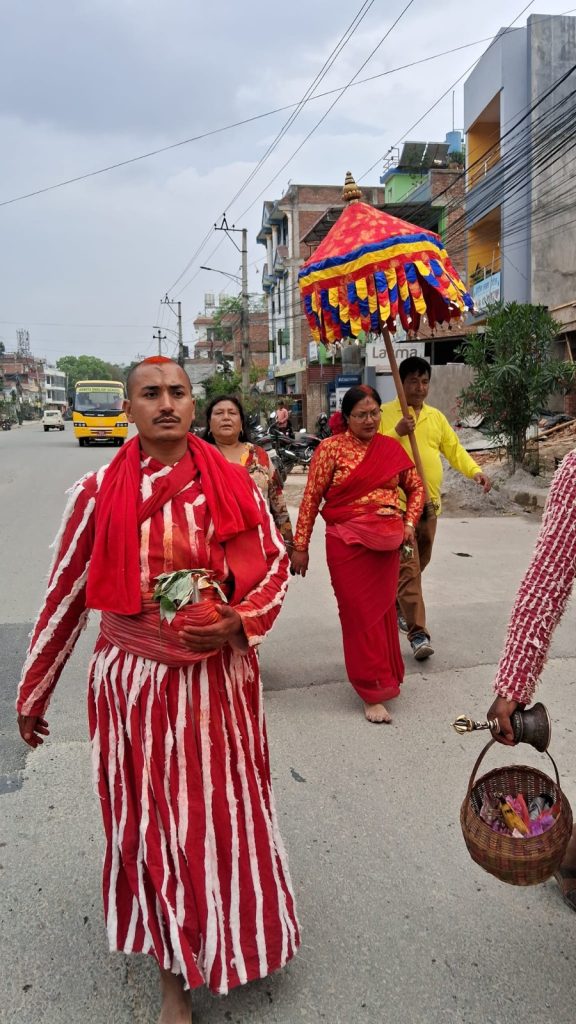
The Malini role and cultural significance in Lalitpur tradition becomes most visible in the sacred rituals performed before the chariot procession of Shri Karunamay Bung Dya. Before the festival begins, Jalpaneju, Malini, and other Panejus travel to Kurvadaha, about 7 kilometres from Bungamati, to collect holy water. They first worship at the temple of Shri Karunamay in Patan and stay there overnight. The next morning, they perform rituals and worship Sankata and Bung Dya. After completing the ceremonies, Jalpaneju and Malini fill a kalash with sacred water and carry it back to Machhindrabahal in Patan. Both Paneju and Malini follow the tradition of walking barefoot to perform this ritual. https://www.youtube.com/watch?v=QbK7y_SiebU, https://www.youtube.com/watch?v=zrqLtCQPJF8.
Unlike regular priests, she does not simply perform rituals — she steps into a cosmic role. She represents the ultimate manifestation of mother power and Shakti goddess ritual.
Bringing the Body of Bungdya to Life
According to ancient Newar belief, Malini carries the spiritual life force of the deity in her womb. Her main duty occurs during the highly sacred water-fetching ritual:
- The Barefoot Journey: Malini walks completely barefoot alongside the Jalpaneju (the water priest).
- The Sacred Source: They travel to Kwaduwa Daha (Katwaladaha), located 7 kilometres away.
- The Holy Vessel: They collect holy water in a kalash (sacred pot).
- The Divine Awakening: She carries this life force back to Ta Baha in Patan, acting as a spiritual spark that brings the physical body of Bungdya to life.
The 3 Living Maidens Associated with Bungadya Karunamaya
Introduction
The tradition of Bungadya Karunamaya includes three important living maidens. These maidens play sacred roles in rituals and festivals. Each one has a special duty in preserving cultural and religious practices.
1. The Bungamati Living Kumari
The Bandhudatta Bajracharya clan selects the Bungamati Living Kumari. People worship her together with Jal/Khal Paneju and Kumo on Aunsi (new moon), after Bala Chaturdashi in the month of Mangsir.
People perform this worship to prevent obstacles during visits to and stays at Bungadya Karunamaya in Patan. According to tradition, Karunamaya is affected by a “Kumari dosha” and is believed to die during the great ritual bath ceremony.
In the Bungadya tradition, this Kumari is not regarded as an incarnation of Taleju Bhavani. Instead, people honor her as the Buddhist goddess Vasudhara on earth and as the mother of Karunamaya.
2. Malini
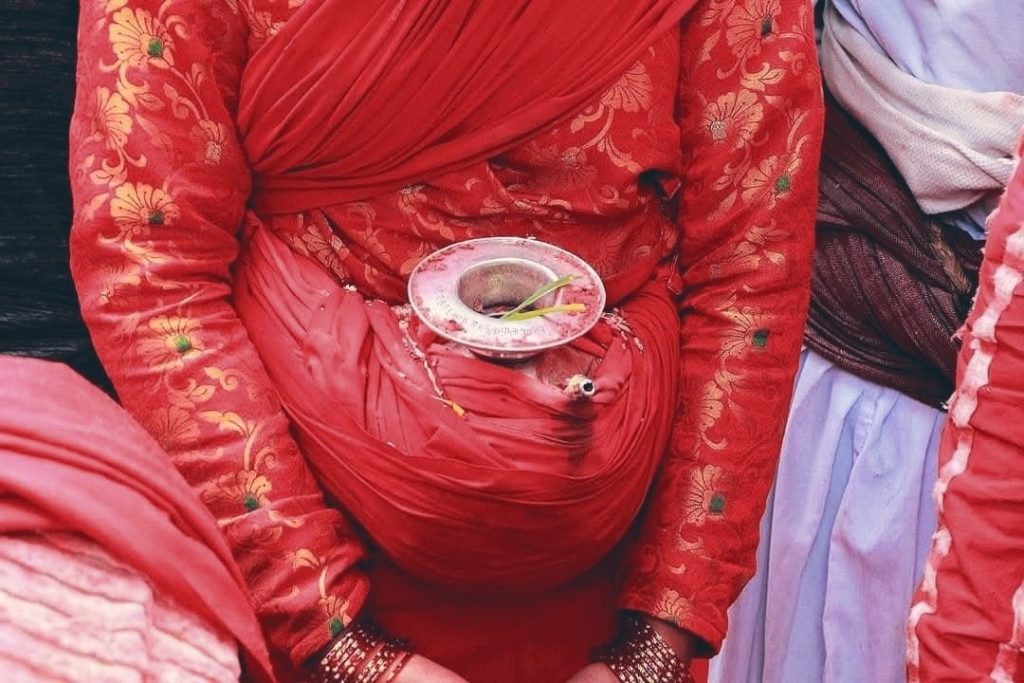
The Lalit Rathchakra Jyapu clan of Lalitpur chooses an unmarried girl to serve as Malini She carries the life force of Bungdya Karunamaya in her womb and brings it from Kwaduwa Daha to Ta Baha in Patan, effectively bringing the body of Bungdya to life and ushering in the spirit of Sahakal (the season of prosperity and rain). Additionally, she performs the daily worship of Bungdya while the deity resides inside the chariot. During the festival, Malini takes on the role of a pregnant woman and embodies maternal power. As a result, people revere her as a maiden form of Shakti, the divine energy. https://www.youtube.com/watch?v=rJGHK3GV8hY&t=15s
3. Yak: Misa
She represents the queen of Karkotak Nagaraj (the Serpent King) of Tau Daha, who appears disguised as Yak Misa (an unmarried woman) from Pyang Than, Kirtipur.She originally stole one of Bungdya Karunamaya’s sacred symbols because no festival had been organized in honor of Karkotak Nagaraj.. Through intense spiritual practice (sadhana), the Tantric Guru Bandhudatta Acharya prevented the maiden from disappearing into Tau Daha, binding her to Pyang Than in Kirtipur instead. He successfully recovered Bungdya’s sacred symbol by promising to organize a procession in honor of Karkotak Nagaraj (from Iti Tol to Jawalakhel) and ensuring she could visit Bungdya once a year. Following this event, she also visits the Jal Paneju at Pyang Than every year as a Shakti-like maiden to offer flower blessings (prasad). In Kirtipur tradition, Yak Misa is also depicted as the lover of Bungdya.
- The arrival of Malini changes the seasons. Her journey symbolizes the transition into “Sahakal rain festival“
During the Lalitpur Newar festival rituals,https://en.wikipedia.org/wiki/Rato_Machindranath_Jatra Malini plays the symbolic role of a pregnant woman. Because she carries the life force of a god, she displays supreme maternal traits.
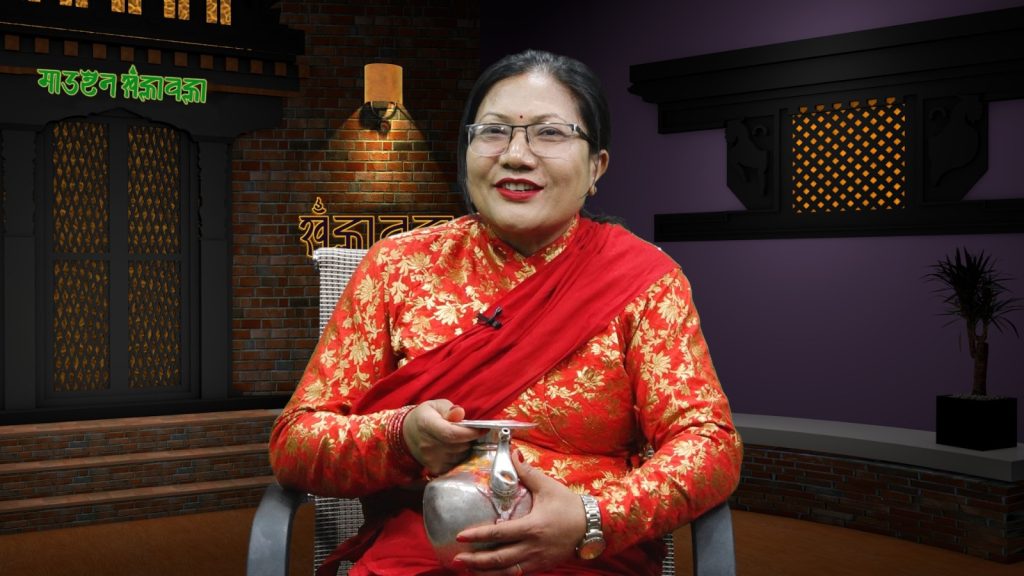
Her duties continue throughout the entire chariot event. She is responsible for conducting the intimate, daily worship of Bungdya while the deity resides high inside the festival chariot. She is truly a living embodiment of divine energy.
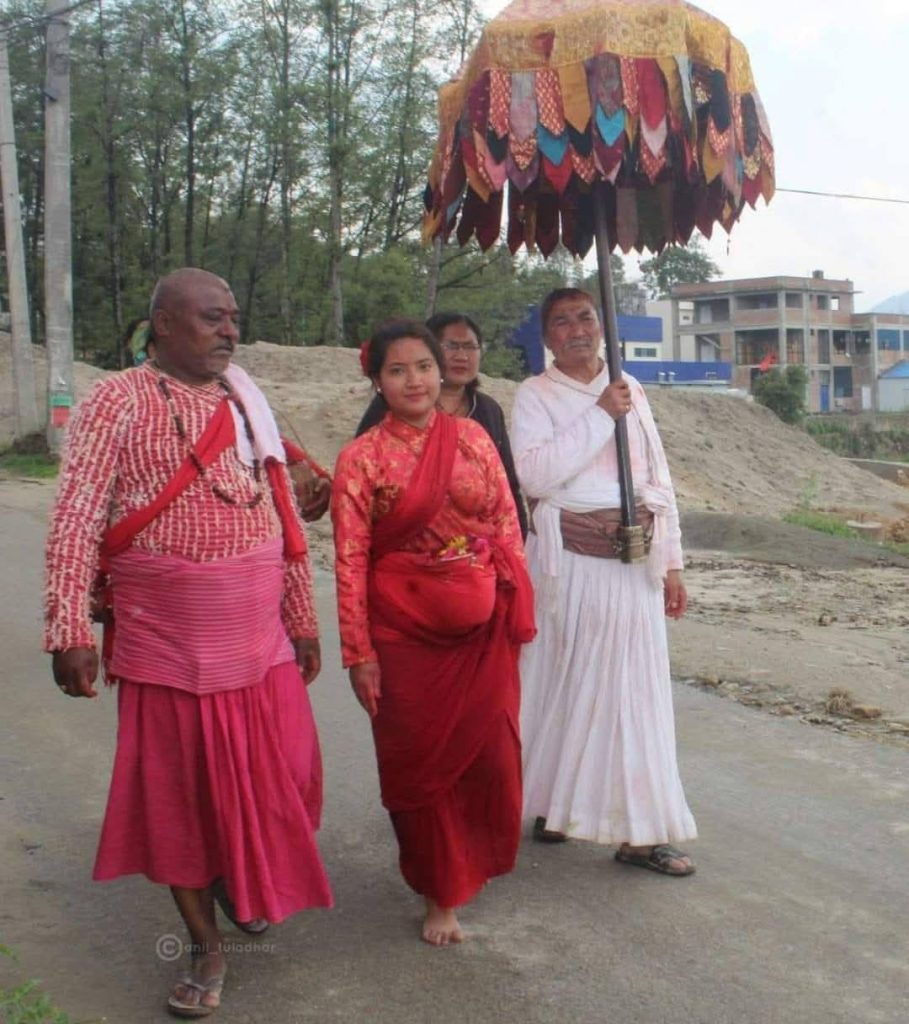
Malini living maiden walking barefoot during Bungadya festival Lalitpur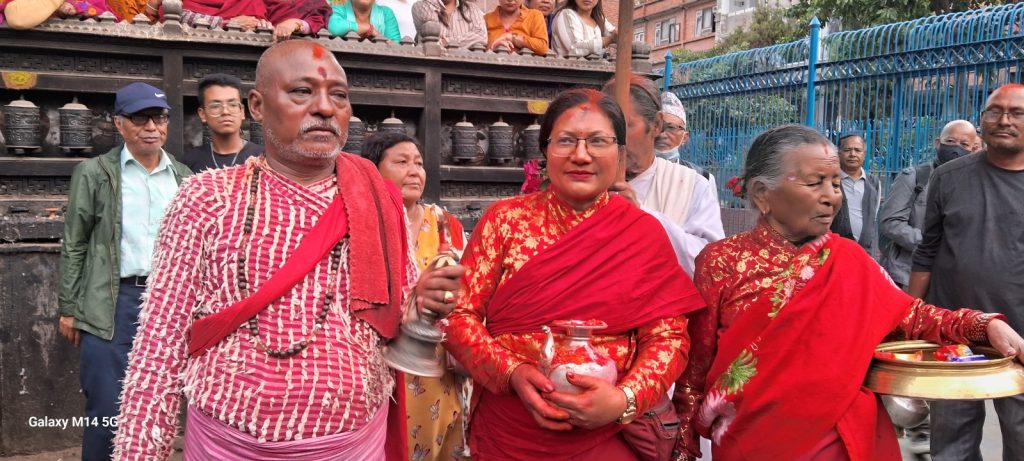
Conclusion: A Living Tradition
Malini is more than just a cultural role. She is a symbol of faith, tradition, and spiritual energy in Lalitpur.
Her story shows how deeply people respect culture, tradition and religion in Nepal.
What do you think about this unique tradition? Would you like to learn more about similar cultural stories?