Have you ever seen a special festival meal shared with family and neighbors? It feels warm, happy, and full of love. Yaka Misa Bhujya – Iti-Thati is one such beautiful tradition from Newar culture in Nepal.
This tradition is not only about food. It is also about family, respect, culture, and togetherness. Let’s explore why this tradition is so special and why people still celebrate it today.
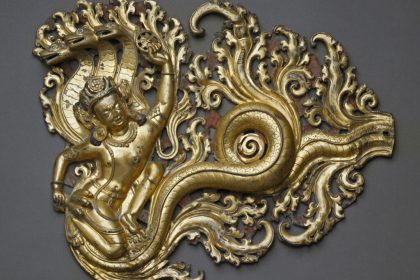
Long time ago, people believed that a powerful and kind god named Rato Machhindranath came to live in the Kathmandu Valley. According to the legend, he had a wife or girlfriend whom he had to leave behind in a hilltop town called Kirtipur. Because she lived all by herself, people called her the Yaaka Misa (which means “single woman” in the local Newari language).
Cultural and Historical Significance:
•Meaning: In Nepal Bhasa, “Yaaka Misa” translates to “single woman”.
•The Mythological Connection: The tradition stems from the legend that when Bunga Dyo (Rato Machhindranath) came to the Kathmandu Valley, he left his wife (Yaaka Misa) in Kirtipur, promising he would send her ritual items, holy gifts, treats, special items. This gifts were a way to prove that he would love her forever and would never forget her. Today’s festival is a way of keeping that mementos every year as a symbol of his enduring love and beautiful promise alive.
•The Ritual Act: Every year during the giant chariot festival, a very special and holy event takes place. The main priest of the god is called the Jala Paneju. To show deep respect, he takes off his shoes and walks completely barefoot all the way from the city of Lalitpur up the hill to a neighborhood in Kirtipur called Pyanga Thaa. He visits the Yaaka Misa to offer prayers, flower prasad, sweets and blesssings.
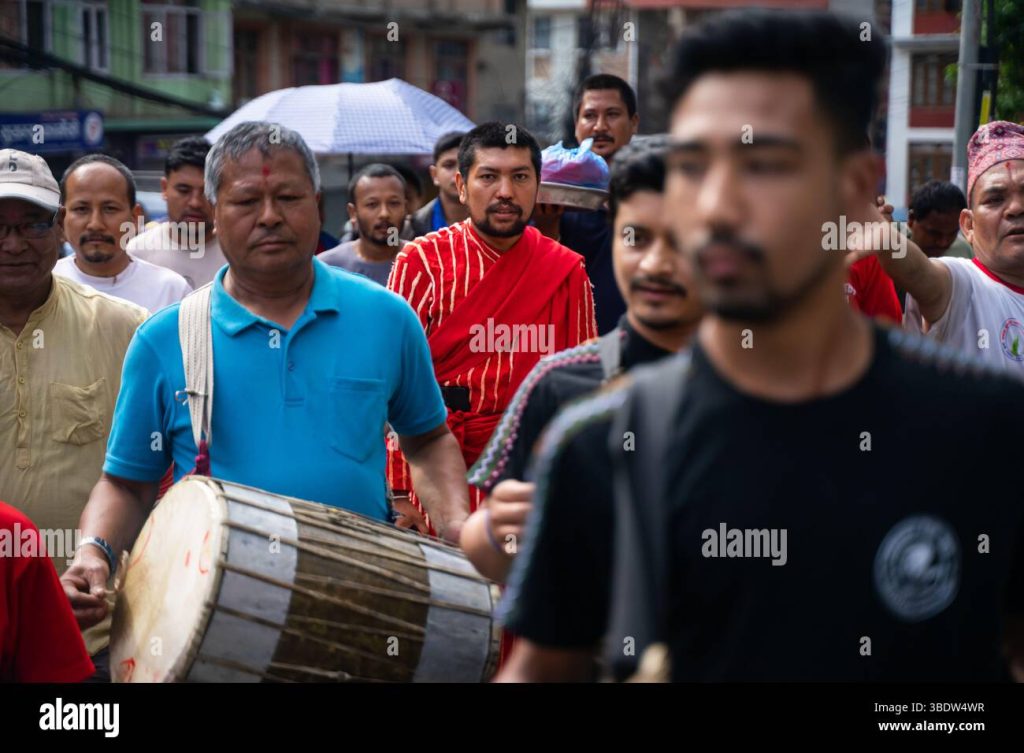
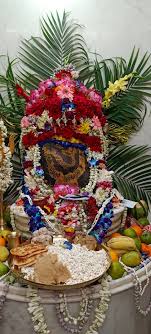
Jala Paneju visit the Yaaka Misa to pray and offer flowers, sweets, and blessings.
What is “ITI-Thati”?
1. Thati refers to one of the central stop locations along the epic route of the Rato Machhindranath chariot procession.
2. The reference to ITI likely pertains to a local educational/community landmark situated in or around the Thati locality of Kirtipur or the immediate vicinity of the chariot’s traditional route.
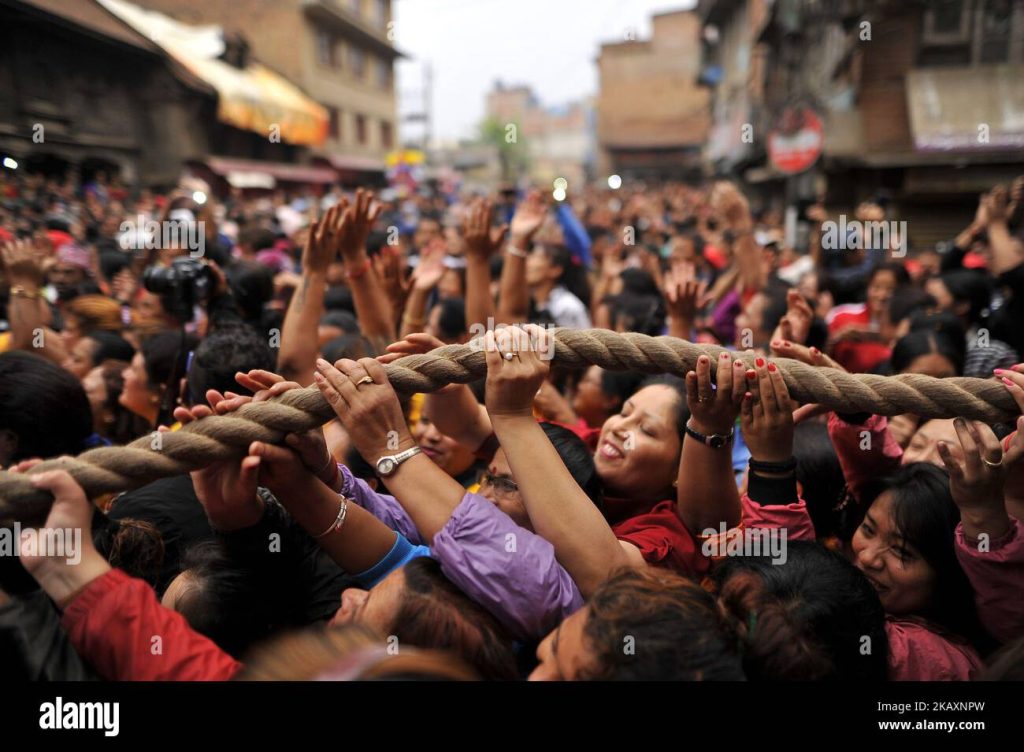
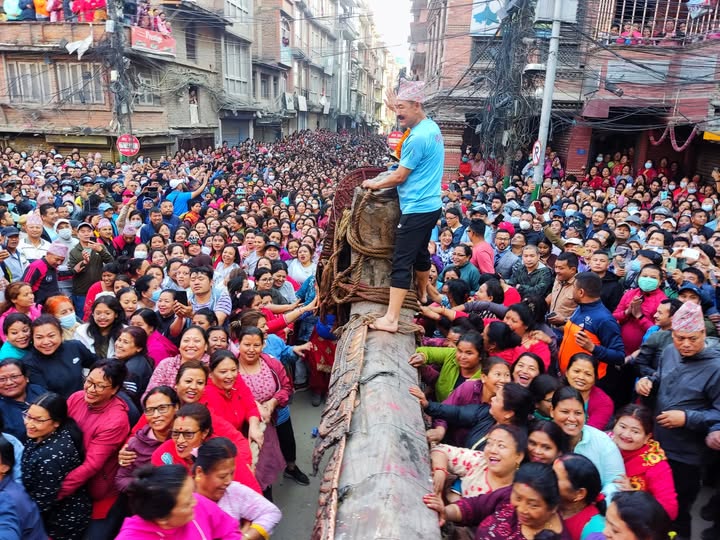
One unique tradition between the Iti and Thati neighborhoods is that only women pull the large chariot.
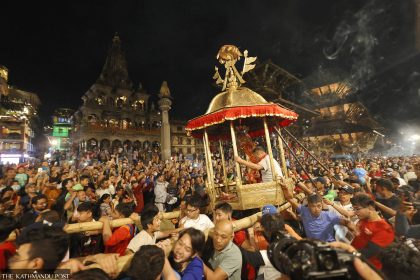
3. The Iti-Thati Connection: The towering spire of the Rato Machhindranath chariot as it moves through the iconic Thati location. A unique feature of the stretch between the Iti and Thati neighborhoods is that the massive chariot is traditionally pulled exclusively by women.
Family Bonding During the Celebration
Today, many people stay busy with school, work, or phones. But traditions like Yaka Misa Bhujya – Iti-Thati bring everyone together again.
Children sit with grandparents. Parents share stories from the past. Everyone laughs, eats, and enjoys time together.
That is what makes this tradition truly beautiful.
Conclusion:
Yaka Misa Bhujya – Iti-Thati is much more than a simple cultural event or family gathering. It is a special tradition that brings people closer through love, respect, food, and shared happiness. During this celebration, family members spend time together, talk with one another, and remember the customs passed down by their grandparents and ancestors. It teaches people the importance of caring for each other and staying united as a family respecting their heritage. Just like roots keep a tree strong, traditions help people stay connected to their culture and identity.
This tradition also helps younger generations learn about their history in a fun and meaningful way. Children can hear old stories, taste traditional foods, and understand why these customs are important. When young people take part in celebrations like Yaka Misa Bhujya – Iti-Thati, they help protect their culture from being forgotten. Even small actions, such as joining family events, learning traditional practices, or respecting elders, can help keep these beautiful traditions alive for many years to come.