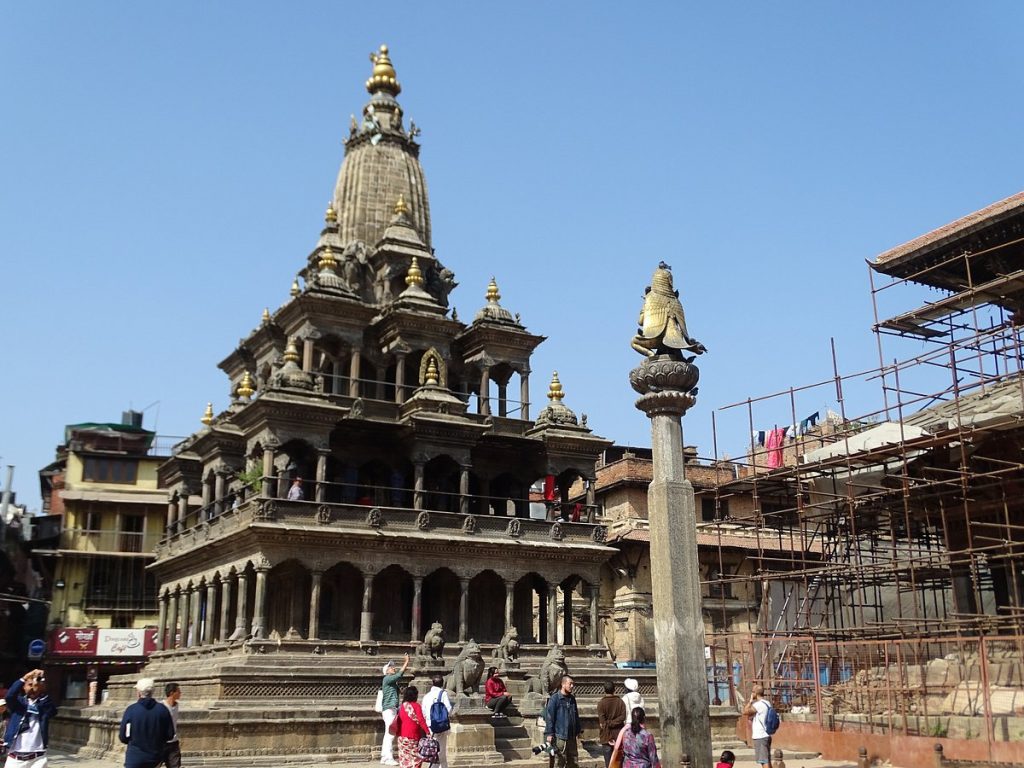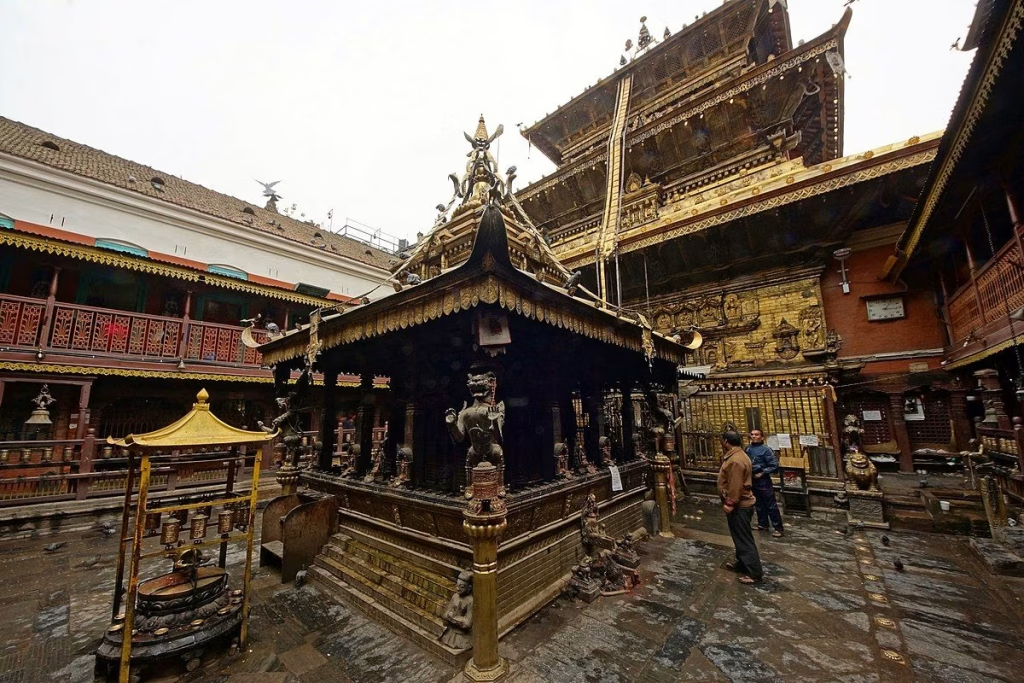
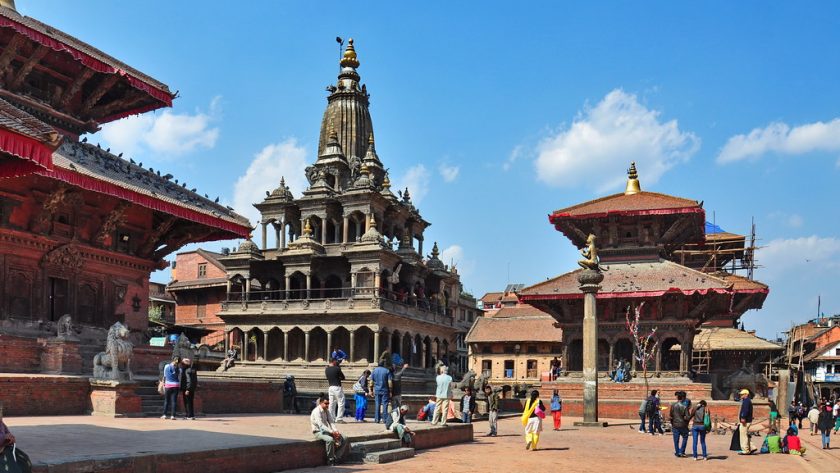
Patan Durbar Square, located in the heart of Lalitpur, is a UNESCO World Heritage Site renowned for its rich Newari architecture, ancient temples, and vibrant culture. As a former royal palace complex, it features iconic structures like the 17th-century Krishna Mandir and the stunning Patan Museum. Visitors can explore artistic courtyards and traditional, intricately carved, reddish-brick, and metalwork structures,
Key Highlights and Attractions
- Krishna Mandir: Built in 1667 by King Siddhi Narsingh Malla, this stone temple is a premier example of Shikhara-style architecture, featuring 21 golden pinnacles.
- Golden Temple (Hiranya Varna Mahavihar): A 12th-century Buddhist monastery featuring a golden roof and intricate metalwork.
- Patan Museum: Housed within the former royal palace (Keshav Narayan Chowk), it displays a vast collection of bronze artifacts and religious art.
- Sundari Chowk: Known for its exquisite Tusha Hiti (sunken bath) and detailed stone carvings.
- Bhimsen Temple: Famous for its artistic brilliance and significance to local traders.
- Mul Chowk: The central and largest courtyard in the palace complex.
Visitor Information
- Location: Center of Lalitpur (Patan), roughly 5 km southeast of Kathmandu.
- Entrance Fee: As of early 2026, the fee is 1000 NPR for foreign tourists (including museum access).
- Tips: According to the Nepal Hiking Team, the best time to visit is early morning, dress modestly, and remember to remove shoes before entering temples.
Significance
Lalitpur is known as a “City of Artisans,” and the Durbar Square is the pinnacle of this artistic heritage. It serves as a living museum, where local life, religious traditions, and ancient architecture blend seamlessly, according to The Soaltee. The area is heavily influenced by both Hindu and Buddhist faiths
When entering temples in Lalitpur, Nepal (particularly Patan Durbar Square), remove shoes, dress modestly (cover shoulders/knees), walk clockwise around shrines, and use your right hand for greetings/offerings. Do not touch deities, enter with leather items, or take photos without permission. Sitting on temple steps is forbidden.
Do’s
- Dress Modestly: Cover your shoulders and knees to show respect.
- Remove Shoes: Always leave shoes outside the temple or shrine.
- Walk Clockwise: Circumambulate stupas and temples in a clockwise direction.
- Ask for Permission: Always ask permission before photographing, especially locals or inside inner shrines.
- Use the Right Hand: Use your right hand (or both) for giving, receiving, or eating.
- Greet with “Namaste”: Use the traditional Namaste greeting.
Don’ts
- Do Not Sit on Temples: The Lalitpur Metropolitan City has banned sitting or loitering on temple steps.
- No Leather Items: Avoid bringing leather belts, bags, or shoes inside, as cow hide is forbidden in Hindu temples.
- Respect Restricted Areas: Do not enter shrines if signs state “Hindus Only”.
- No Public Display of Affection: Publicly hugging or kissing is frowned upon.
- Avoid Using Left Hand: Do not use your left hand for eating or offering items, as it is considered unclean.
- Do Not Point Feet: Avoid pointing your feet toward people, shrines, or statues.
- Do Not Touch Offerings: Refrain from touching religious items or offerings.