National zoo of Nepal is located at Jawalakhel-04, Lalitpur. It’s renowned as the central zoo. This zoo is most popular educational and recreational attractions for both domestic and international tourists. Zoo is not meant for wild animals. It’s for wildlife conservations and environmental education too. Most of the rescued animals are brought here in zoo for primary treatment. Central Zoo of Nepal is managed by NTNC. NTNC means National Trust for Nature Conservation. ZOO is central attraction for all types of age groups including kids to old age peoples.
The official website of the zoo can be found at Central Zoo Nepal.
History of Central Zoo
The zoo was established in 1932 by Rana Prime Minister Juddha Shumsher Jung Bahadur Rana as a private collection of exotic animals. Initially, it was not open to the public. After the fall of the Rana regime, the zoo came under the management of the Government of Nepal in 1951 and was later opened to the public in 1956. Since 1995, the management has been entrusted to NTNC for long-term conservation and development.
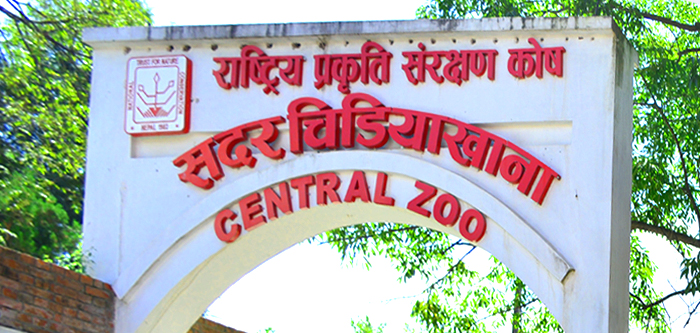
Spread across approximately six hectares, the zoo has gradually transformed from a recreational animal park into a conservation-focused institution. Today, it functions not only as a tourist destination but also as a rescue and rehabilitation center for injured, orphaned, and confiscated wildlife. ([Central Zoo][1])
Animals and Biodiversity
The zoo houses around 1,400 animals representing more than 120 species, including mammals, birds, reptiles, and fish. Visitors can observe both native and exotic wildlife species. Some of the most popular animals include:
- Royal Bengal Tiger
- Greater One-horned Rhinoceros
- Asian Elephant
- Snow Leopard
- Red Panda
- Hippopotamus
- Chimpanzee
- Ostrich
- Danphe (Nepal’s national bird)
The zoo also shelters several endangered species found in Nepal. Many animals are rescued from illegal wildlife trade, injuries, or human-wildlife conflict situations. ([Central Zoo][2])
Educational and Conservation Role
One of the zoo’s most important contributions is environmental education. The “Friends of Zoo” (FOZ) program has reached hundreds of schools and more than a million students and visitors since its launch. Through guided tours, awareness campaigns, and exhibitions, the zoo teaches people about biodiversity conservation and wildlife protection.
Top Animals to See at Central Zoo
The zoo also supports research activities for university students and conservation professionals. Veterinary care, habitat enrichment, and breeding management are important parts of its conservation efforts.
Facilities and Visitor Experience
The zoo offers various facilities to make visits enjoyable and educational. These include:
- A children’s park
- Boating and paddleboat services
- Aquarium
- Cafeteria
- Souvenir shop
- Picnic and resting areas
- Information center
The central pond inside the zoo is historically significant and dates back to the Malla period. Fishing activities are also allowed during certain months of the year. ([Central Zoo][3])
The zoo is generally open every day from 10:00 AM to 7:00 PM, although ticket counters may close earlier during winter months. ([Central Zoo][2])
Public Opinions and Challenges
While many people appreciate the zoo as an educational and recreational site, public discussions also highlight concerns about animal welfare, enclosure sizes, and management standards. Some visitors on social platforms and online forums have expressed sadness over the confined conditions of animals and suggested improvements in habitat quality and conservation practices. ([Reddit][4])
Like many urban zoos around the world, Central Zoo faces challenges such as limited space, increasing visitor numbers, and the need for modernization. There have been discussions about relocating or expanding the zoo outside the Kathmandu Valley to provide larger and more natural habitats for animals. ([AP News][5])
Importance to Nepal
Despite its challenges, Central Zoo remains an important institution for Nepal. It provides urban residents with an opportunity to learn about wildlife and conservation, especially for people who may never visit national parks or protected areas. The zoo also plays a role in rescuing and caring for animals that cannot survive in the wild.
For students and children, the zoo creates awareness about biodiversity and environmental responsibility. For tourists, it offers a glimpse into Nepal’s rich wildlife heritage.
Conclusion
The Central Zoo is more than just a place to see animals. It is a center for conservation, education, research, and wildlife rescue in Nepal. From its historical beginnings during the Rana era to its modern role under NTNC management, the zoo continues to evolve with changing conservation needs. Although improvements are still needed in animal welfare and infrastructure, Central Zoo remains a valuable institution that connects people with nature and promotes awareness about protecting Nepal’s unique wildlife heritage.