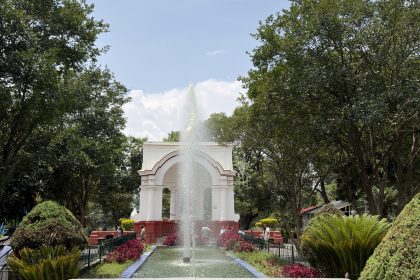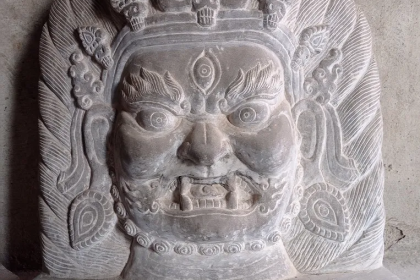
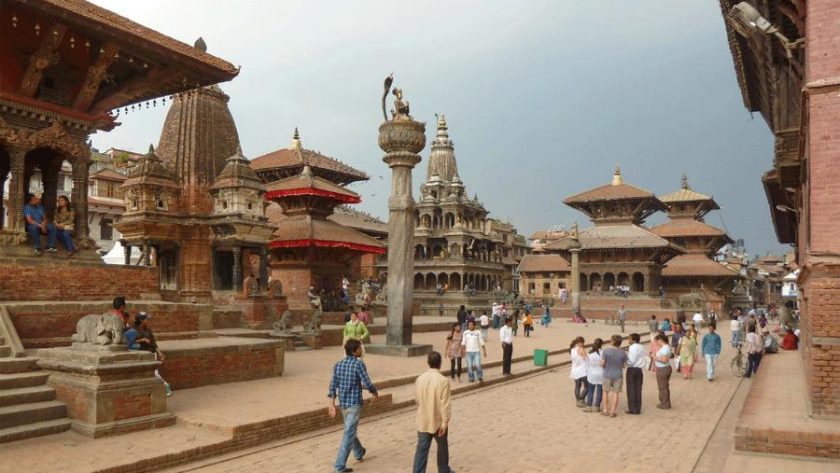
Located in the beautiful Kathmandu Valley, Patan is one of Nepal’s oldest and most culturally rich cities. Also known as Lalitpur, Patan is famous for its ancient temples, stunning architecture, traditional arts, and vibrant local culture. Every year, thousands of foreign tourists visit this historic city to explore its peaceful courtyards, Buddhist monasteries, colorful festivals, and UNESCO World Heritage sites.
Although Patan is generally safe and welcoming, understanding local customs and following basic safety practices can make your trip much more comfortable and enjoyable. Nepalese people are known for their hospitality and friendliness, but respecting local traditions is very important while traveling in cultural and religious places.
If you are planning to visit Patan for the first time, here are the top 10 safety and etiquette tips every foreign tourist should know.
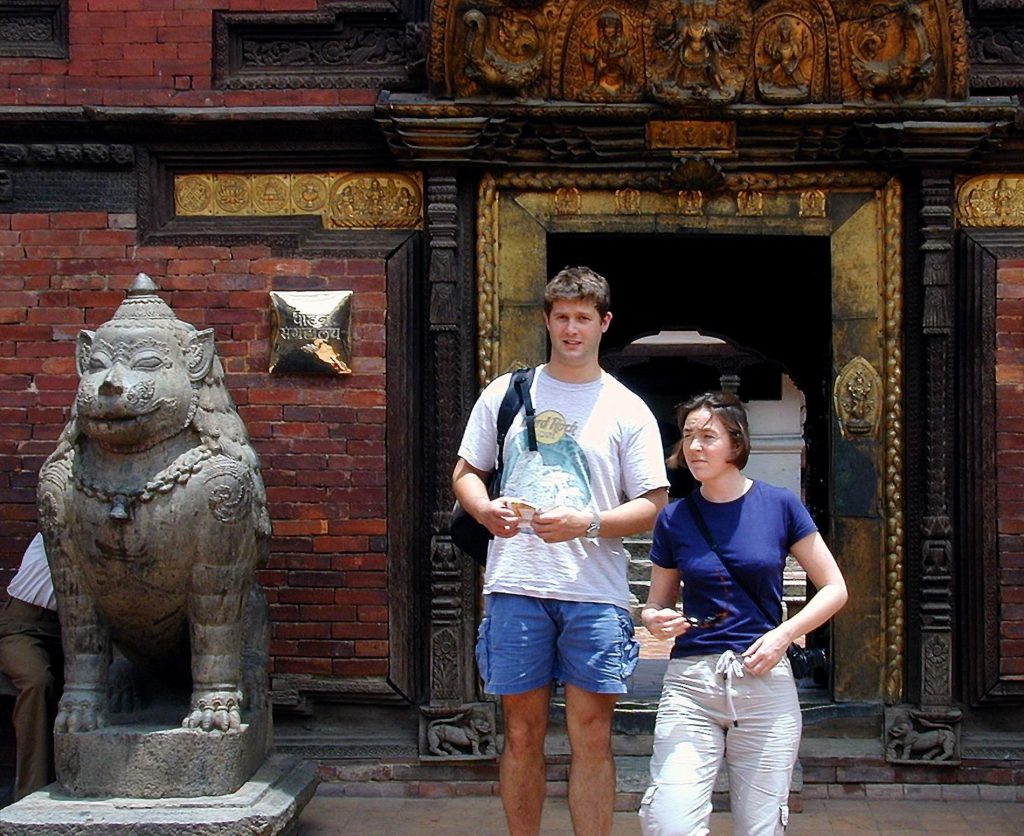
1. Dress Modestly When Visiting Temples and Religious Sites
Patan is home to many sacred temples, shrines, and monasteries. Famous sites like Patan Durbar Square attract both worshippers and tourists every day. Since these places are religiously important, dressing respectfully is highly recommended.
Avoid wearing clothing that is too revealing, such as very short shorts, crop tops, or sleeveless shirts while entering temples and monasteries. Comfortable clothes that cover your shoulders and knees are considered appropriate. In many religious places, you may also need to remove your shoes before entering. Following these customs shows respect for local traditions and religious beliefs.
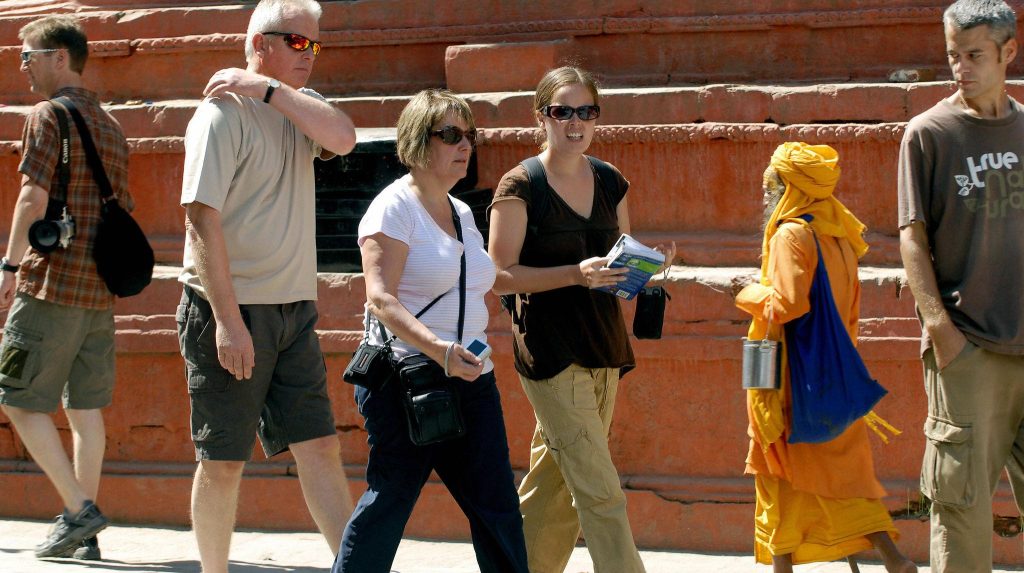
2.Always Ask Permission Before Taking Photos
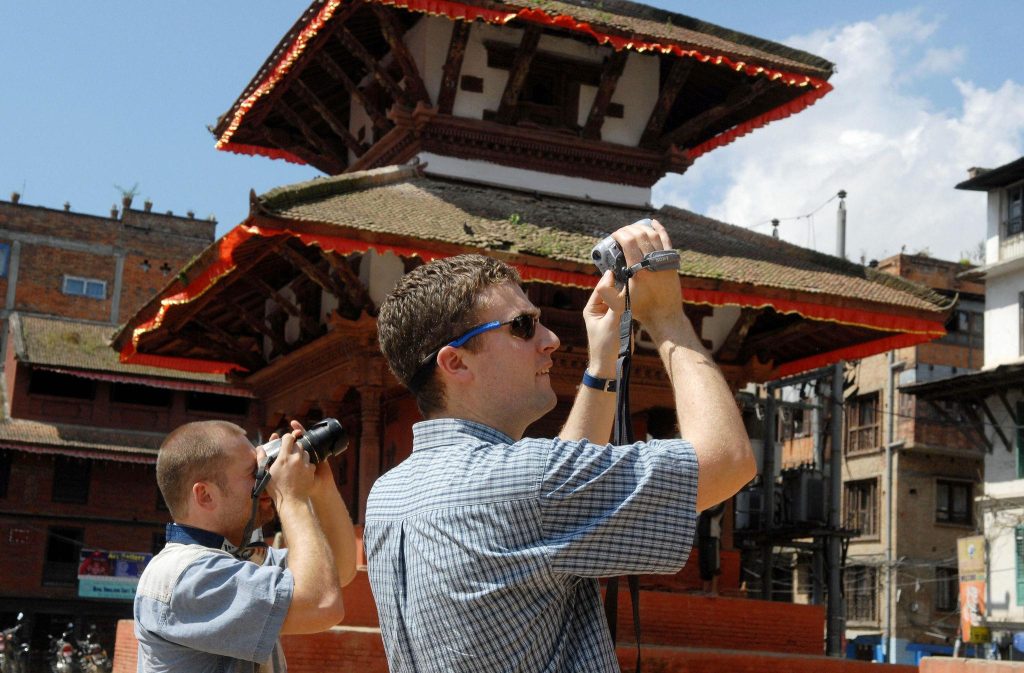
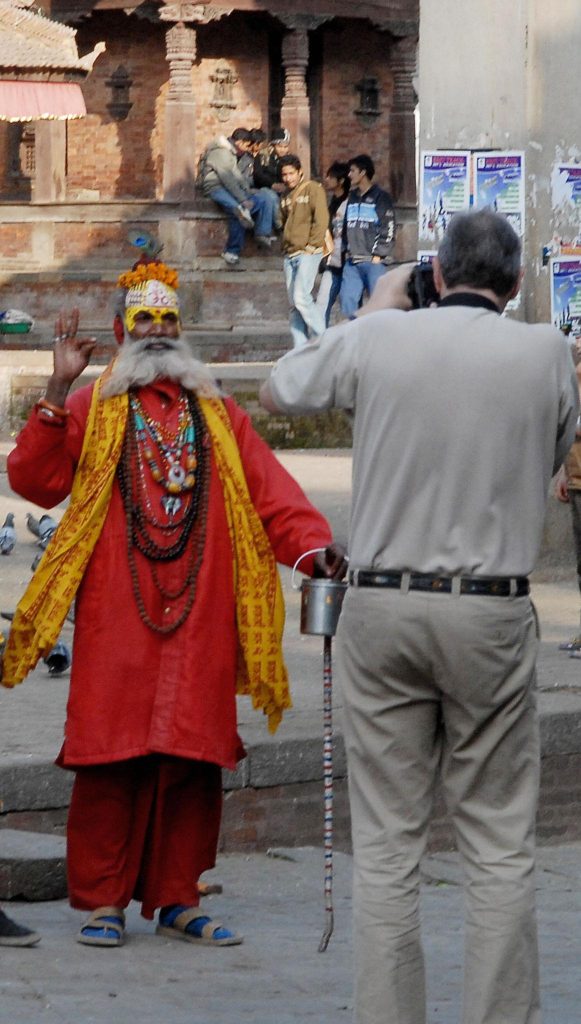
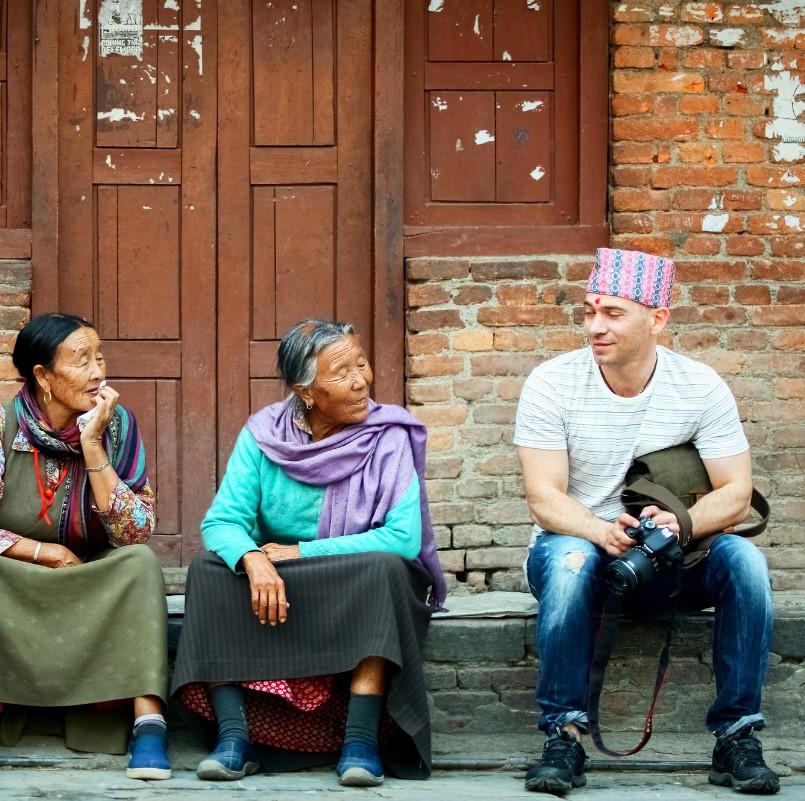
Patan is one of the most photogenic cities in Nepal. Tourists often enjoy photographing traditional houses, busy marketplaces, local artisans, festivals, and daily life scenes. However, visitors should remember that not everyone wants to be photographed. Taking pictures of strangers without permission may make people uncomfortable, especially elderly residents, monks, or worshippers during religious rituals.
Before taking close-up photographs of people, it is polite to ask first. A simple smile and gesture toward your camera is often enough. Most people are friendly and may happily agree. Photography rules may also vary at temples and monasteries. In some places, photography is allowed only in outdoor areas, while other places may prohibit photos completely.
During festivals and ceremonies, avoid blocking pathways or standing too close to worship activities while taking pictures. Respectful photography creates better travel experiences and helps maintain positive relationships between tourists and local communities.
3.Stay Alert While Walking on Busy Streets
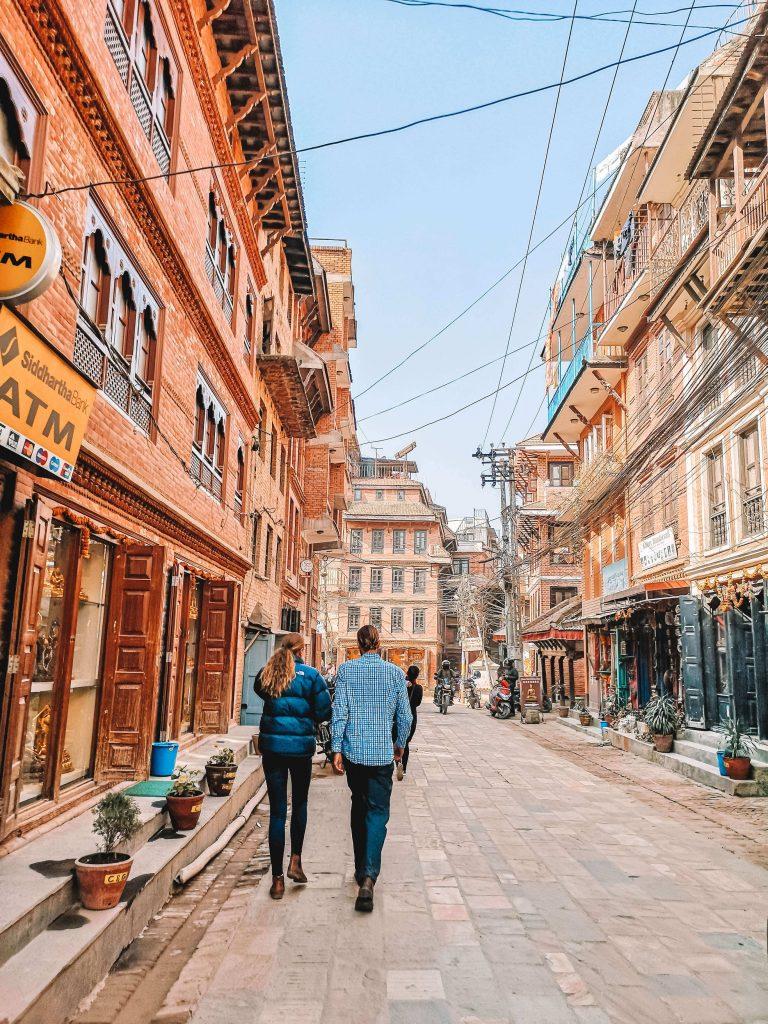
The streets of Patan are lively and energetic. Narrow lanes are often shared by pedestrians, bicycles, scooters, street vendors, and small vehicles all at the same time. Traffic in Nepal may feel different from what many foreign travelers are used to. Vehicles do not always stop for pedestrians, and roads can become crowded quickly, especially near markets and tourist areas.
When walking around Patan, always stay aware of your surroundings. Avoid wearing headphones at high volume while walking because you may not hear approaching vehicles. Cross roads carefully, even at intersections. It is common to see motorbikes driving through small alleys or crowded streets unexpectedly.
During the monsoon season, roads and stone pathways may also become slippery. Wearing comfortable walking shoes with good grip can help prevent accidents. Exploring Patan on foot is one of the best ways to experience the city, but staying alert and cautious is important for personal safety
4.Learn and Respect Local Religious Practices
Religion in Patan is not only part of history; it is part of everyday life. You will often see people lighting butter lamps, spinning prayer wheels, ringing bells, or placing flowers and food offerings at shrines. Foreign tourists should take time to understand and respect these practices. Even if you are unfamiliar with Hinduism or Buddhism, showing curiosity and politeness is always appreciated.
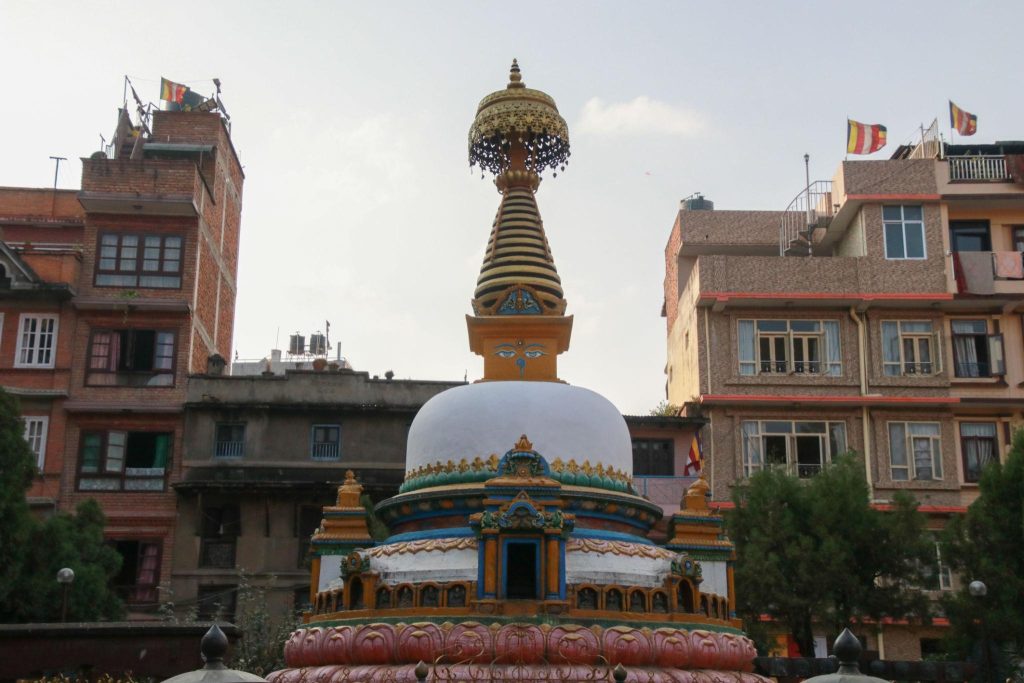
When visiting stupas or shrines, remember that people traditionally walk clockwise around them. Walking in the opposite direction may be considered disrespectful. Avoid sitting on temple platforms meant for worship or climbing on statues for photographs. Sacred monuments are deeply meaningful to local communities and should be treated carefully.
It is also polite to speak softly near prayer areas and avoid loud conversations or disruptive behavior during ceremonies. Respecting local religious customs helps preserve the peaceful atmosphere that makes Patan special.
5.Keep Your Valuables Safe in Crowded Areas
Patan is generally a safe destination for tourists, and violent crime is rare. However, like most tourist destinations around the world, petty theft and pickpocketing can happen in crowded places. Busy markets, festivals, bus stations, and tourist squares are areas where visitors should be extra careful with their belongings.
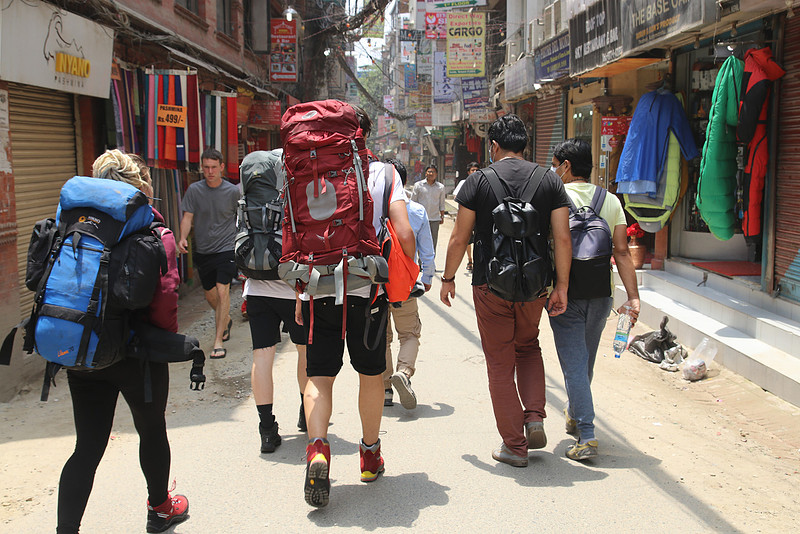
Keep important items such as passports, wallets, cameras, and mobile phones secure. Cross-body bags and anti-theft backpacks are useful for travelers exploring crowded streets. Avoid displaying large amounts of cash or expensive jewelry in public. Keeping digital copies of important documents such as passports and travel insurance papers is also a smart idea.
When dining at restaurants or cafes, avoid leaving bags unattended on chairs or tables. Travelers staying in hotels or guesthouses should use lockers or safes whenever available. By taking simple precautions, tourists can enjoy Patan comfortably without unnecessary stress.
6.Drink Safe Water and Eat Food Carefully
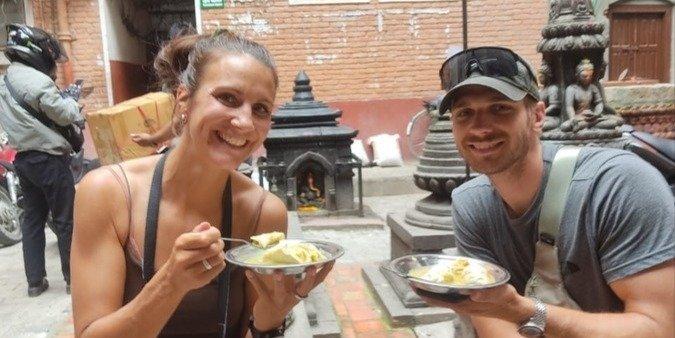
Nepal offers many delicious foods, and Patan is especially famous for traditional Newari cuisine. Visitors can enjoy dishes such as momo, chatamari, yomari, bara, and spicy local curries. While trying local food is part of the travel experience, tourists should also be careful about food and water safety.
Foreign travelers are generally advised not to drink tap water in Nepal. Bottled water, boiled water, or properly filtered water is the safest option. When buying bottled water, always check that the seal is unopened.
Street food can be delicious, but choose food stalls that appear clean and busy with local customers. Freshly cooked food is usually safer than food left exposed for long periods. Washing hands regularly or carrying hand sanitizer is also helpful while traveling.
Altitude changes, spicy foods, and unfamiliar ingredients may affect some travelers differently, so eating gradually and staying hydrated is important. Taking care of your health allows you to enjoy your journey without interruption.

7.Learn a Few Basic Nepali Greetings and Manners
Nepalese people are warm and welcoming, and locals appreciate tourists who make an effort to learn simple Nepali phrases.
Here are a few useful words:
“Namaste” – Hello
“Dhanyabad” – Thank you
“Kripaya” – Please
“Sanchai cha?” – How are you?
Even speaking a few words in Nepali can create friendly connections and make your travel experience more enjoyable.
8.Remove Shoes Before Entering Homes and Temples
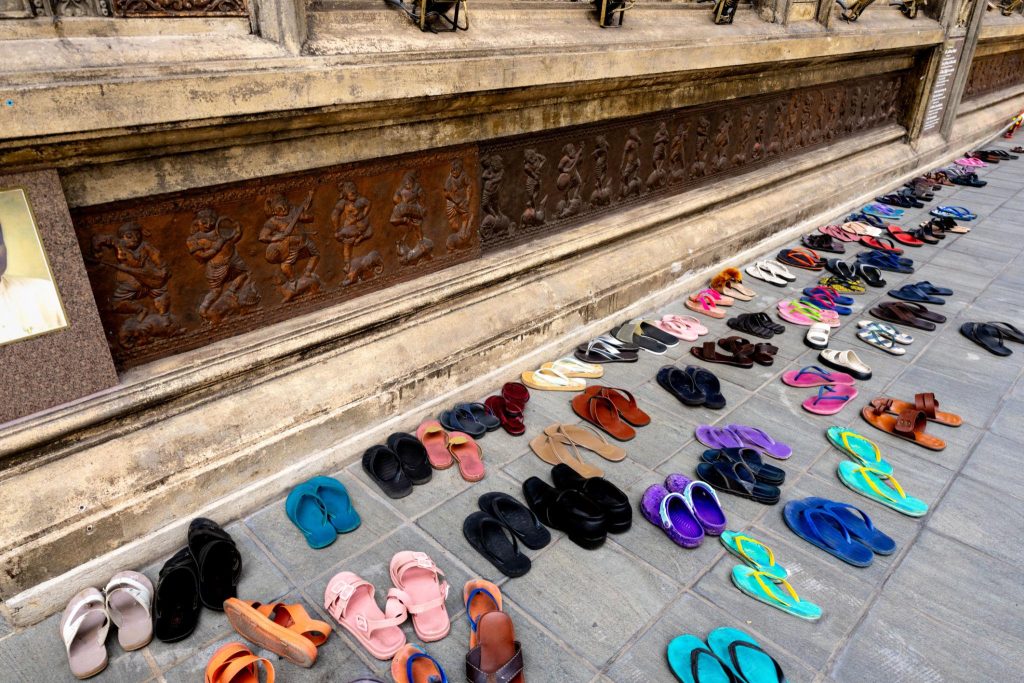
In Nepalese culture, removing shoes before entering homes, temples, monasteries, and certain traditional buildings is an important custom. Shoes are considered dirty because they come into contact with streets and outdoor spaces. Removing them helps keep sacred and indoor spaces clean.
When visiting local homes or religious sites in Patan, check whether shoes are left outside near the entrance. If you notice others removing their footwear, you should do the same. Some temples may also require visitors to remove hats or avoid carrying leather items inside sacred spaces.
Wearing clean socks or easily removable shoes can make temple visits more comfortable. Following this custom is a simple but meaningful sign of cultural respect.
9.Respect Festivals and Public Celebrations
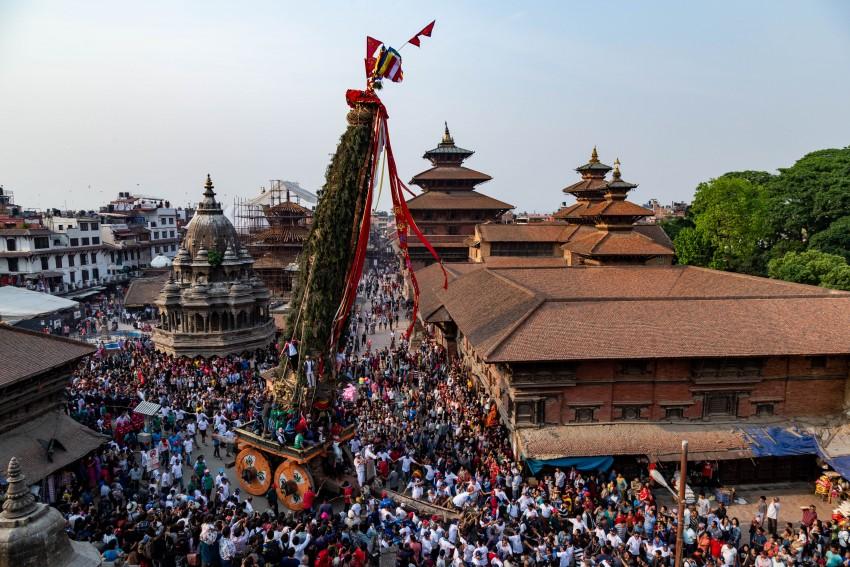
Patan is famous for its colorful festivals and religious celebrations. Throughout the year, streets come alive with music, dancing, prayers, traditional costumes, and ceremonial processions. One of the city’s most famous celebrations is Rato Machhindranath Jatra, a massive chariot festival celebrated by local communities with great enthusiasm.
Festivals provide tourists with amazing opportunities to experience Nepalese culture closely, but visitors should remember that these are sacred cultural events, not just tourist attractions. Avoid pushing through crowds to take photographs or interrupting ceremonies for selfies. Stay patient and respectful when observing rituals.
Crowded festival environments also require extra attention to personal belongings and safety. Keep valuables secure and remain aware of your surroundings. During major festivals, roads may become crowded or temporarily closed. Planning transportation in advance can help avoid confusion. Participating respectfully in local celebrations can become one of the most unforgettable parts of visiting Patan.
10.Support Local Businesses and Practice Respectful Bargaining
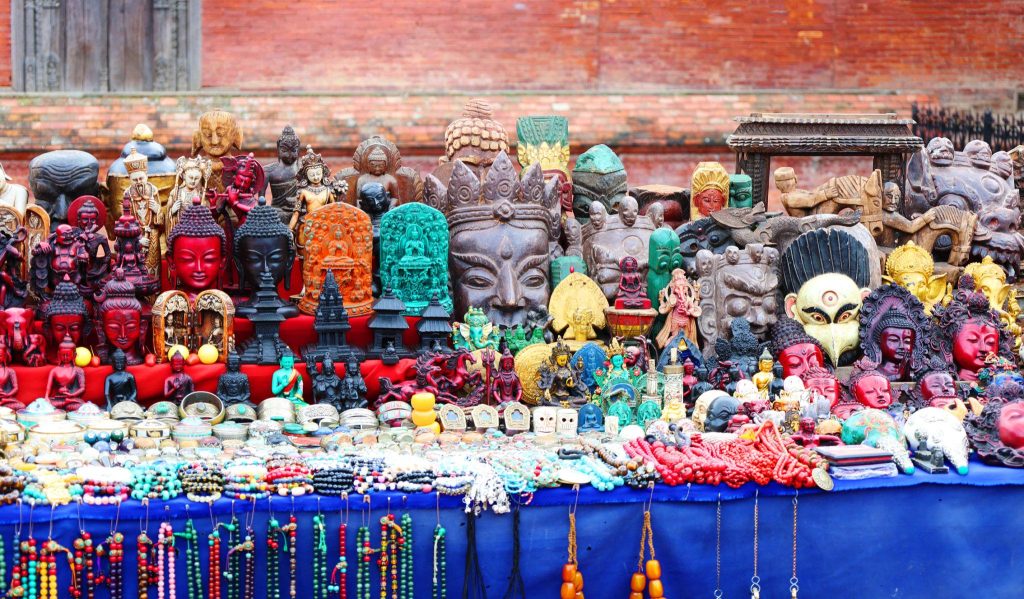
Patan is well known for traditional arts and handmade crafts. The city’s skilled artisans create beautiful metal statues, paubha paintings, wood carvings, pottery, jewelry, and handmade textiles. Buying local products helps preserve Nepal’s artistic traditions and supports small businesses and family workshops.
While shopping in local markets, bargaining is common in some places. However, bargaining should always remain polite and respectful. Avoid aggressively demanding very low prices, especially for handmade items that require many hours of skilled labor.
If you are not interested in buying something, politely decline rather than arguing with shopkeepers. Supporting ethical tourism and local craftsmanship helps maintain Patan’s rich cultural heritage for future generations. Travelers who buy locally made products often leave with more meaningful souvenirs and memories from their journey.
Final Thoughts
Patan is more than just a tourist destination. It is a living cultural city where ancient traditions continue to thrive alongside modern life. From peaceful temples and artistic courtyards to lively festivals and welcoming communities, Patan offers travelers an unforgettable experience filled with history, spirituality, and creativity.
Understanding local customs and practicing respectful behavior can greatly improve your travel experience. Small actions such as dressing modestly, asking before taking photos, learning basic greetings, and respecting religious traditions show appreciation for the local culture and help create positive interactions.
Safety in Patan is generally good, but staying alert in crowded areas, protecting valuables, and being careful with food and water are still important travel habits. The beauty of Patan is not only found in its architecture and monuments but also in its people, traditions, and daily life. Visitors who travel with respect, patience, and curiosity often discover the true charm of this historic Nepalese city.
Whether you are exploring ancient temples, tasting traditional Newari dishes, shopping for handmade crafts, or simply walking through quiet stone alleys, Patan offers memories that stay with travelers long after their journey ends.