
Sustainability in Nepal: How Lalitpur Can Build a Greener Future.
Have you ever thought about what Lalitpur will look like in the future? Will people still be able to enjoy parks, fresh air and ancient temples?. Will pollution and crowded roads take over the city?
Today these questions are more important than ever. That is why Sustainability is becoming very important today.
Sustainability is about using resources in a smart way. Sustainability is really important for the future so we must use resources wisely and take care of the environment to support the well-being of future generation. In Nepali sustainability is called दिगोपन. It is about protecting nature improving peoples lives and supporting growth at the same time.
Sustainability helps cities become cleaner, safer and healthier. In Nepal this idea is especially important because climate change, pollution and rapid urban growth are creating challenges.
What Is Sustainability Meaning?
Sustainability means using resources carefully so they do not run out and future generations can use them too.
For example imagine you have one bottle of water for the day. If you waste it in the morning you will have none left later. However if you use it wisely it can last all day.
Sustainability works in the way.
In general Sustainability focuses on three areas:
- Protecting the environment
- Supporting the economy
- Helping people live lives
As a result sustainable cities become healthier and safer for everyone.
A sustainable city usually has:
- Fresh air
- Safe drinking water
- Green parks
- Less pollution
- Good schools
- Public health
Therefore, Sustainability is not only about nature. It is also about creating a future for people.
Why Sustainability Is Important in Nepal
Nepal is known for its mountains, flowing rivers, green forests and rich cultural heritage.. The country also faces many serious environmental problems.
Some of the problems Nepal is dealing with are:
- Climate change
- Floods and landslides
- Air pollution
- Water shortages
- Urbanization
These problems affect both people and the environment. So Nepal needs sustainability solutions to protect the environment and make daily life better.
Nepal is working with the United Nations to achieve the Sustainable Development Goals. These goals want to create a healthier and more equal future for everyone.
The Sustainable Development Goals focus on key areas, including:
- Quality education
- Good healthcare
- Reducing poverty
- Gender equality
- Clean energy
- Climate action
- Clean. Sanitation
By achieving these goals Nepal can become greener, cleaner and more sustainable. If Nepal follows practices it can protect its natural beauty and cultural heritage, for future generations. This way Nepal can ensure a future.
Lalitpur: The City of Fine Arts
Lalitpur is also known as the “City of Fine Arts.”
The city is famous for:
- Ancient temples
- Traditional houses
- Wood carvings
- Festivals
- Heritage
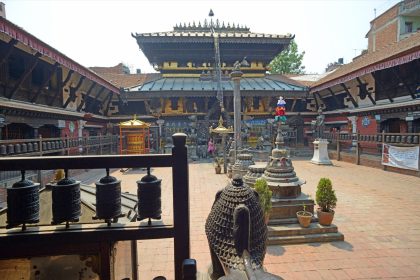
Most importantly Lalitpur is home to Patan Durbar Square, a UNESCOWorld Heritage Site.
However rapid urban growth is changing the city quickly. New roads, buildings and vehicles are increasing every year.
As a result green spaces, cultural sites and traditional systems are under pressure.
Therefore Sustainability has become necessary for protecting Lalitpur’s future.
Urban Green Spaces and Sustainability Solution
Urban green spaces include:
- Parks
- Trees
- Gardens
- Fields
- Riverbanks
These places improve city life in many ways. For instance Sankhamul Park provides both space and environmental benefits.
Cleaner Air and Better Health
First of all trees absorb gases and release oxygen. Because of this they improve air quality. Help people breathe more easily.
At the time parks encourage outdoor activities and exercise. Therefore people become healthier both physically and mentally.
Reducing Urban Heat
Concrete. Buildings trap heat during the day. As a result cities become much hotter.
However trees provide shade. Cool the environment naturally. This helps reduce the urban heat island effect.
Flood Protection
In addition green areas absorb rainwater during rainfall.
Because of this they reduce flooding. Improve water management in cities.
Protecting Biodiversity
Green spaces also protect birds, insects and small animals. Without these areas biodiversity decreases rapidly.
Therefore preserving spaces is an important Sustainability solution for Lalitpur.
Climate Change and Lalitpur
Climate change is already affecting Nepal in many ways. Similarly Lalitpur is also experiencing stress.
Today the city faces:
- Rising temperatures
- rainfall
- Water shortages
- Flooding
- Air pollution
As these problems increase both people and cultural heritage are at risk.
Threats to Cultural Heritage in Lalitpur
Lalitpur is filled with temples, courtyards and traditional houses. Unfortunately climate change is damaging many of these structures.
For example:
- Heavy rain weakens buildings
- Humidity damages wood and bricks
- Temperature changes create cracks
Consequently many heritage sites are becoming fragile.
Moreover cultural traditions connected to these places are also at risk.
Therefore protecting heritage is a part of Sustainability.
Challenges of Road Expansion and Cultural Damage in Lalitpur
Road expansion is one of the urban challenges in Lalitpur today.
On one hand wider roads improve transportation, reduce traffic. On the other hand uncontrolled development can damage the city’s cultural identity.
Many traditional houses and open courtyards have already disappeared because of road construction.
As a result, historic neighborhoods are slowly losing their beauty.
How Road Expansion Affects Sustainability
Road expansion creates several environmental and cultural problems.
Increased Pollution
More roads usually bring vehicles.
Consequently air pollution, noise pollution and dust increase rapidly.
This harms health and reduces environmental quality.
Loss of Green Spaces
Trees are often removed during construction projects.
Therefore cities become hotter and less environmentally friendly.
Damage to Heritage Sites
Heavy construction machinery can damage temples and historic buildings.
In some cases vibrations create cracks in structures.
As a result cultural heritage becomes weaker over time.
Poor Urban Planning
Sometimes roads are expanded without drainage systems.
Because of this flooding increases during the monsoon season.
Sustainability Solution for Better Road Planning
Fortunately Lalitpur can still improve transportation while protecting culture and nature.
Here are some smart Sustainability solutions:
Protect Heritage Zones
First historic areas should have protection rules.
Road construction near heritage sites must be carefully planned.
Plant More Trees
In addition new roads should include belts and roadside trees.
This can improve air quality. Reduce urban heat.
Promote Public Transportation
Better buses and cycling lanes can reduce traffic and pollution.
As a result cities become cleaner and safer.
Use Eco-Friendly Infrastructure
Permeable pavements allow rainwater to enter the soil naturally.
Therefore flood risks decrease significantly.
Involve Local Communities
Local residents understand their culture and neighborhoods best.
Because of this community participation is very important for planning.
The Amazing Hiti Systems of Lalitpur
One of Lalitpur’s historical achievements is its traditional Hiti system.
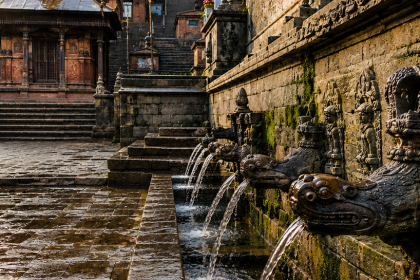
A Hiti is a stone water spout that provides water through natural channels.
These systems are hundreds of years. Nevertheless many still work today.
Importantly Hitis show how ancient Nepal used sustainable technology long before modern systems existed.
Benefits of Hiti Systems Inside Lalitpur
The Hiti system is an example of Sustainability in action.
Natural Water Supply
Hitis provide water without electricity.
Therefore they save energy, reduce environmental impact.
Groundwater Recharge
Traditional ponds connected to Hitis help refill water sources naturally.
As a result they improve long-term water security.
Climate Resilience
During seasons and water shortages Hitis can provide emergency water sources.
Because of this communities become more resilient.
Cultural Importance
Hitis are also cultural spaces where people gather during festivals and daily activities.
Therefore they strengthen community identity.
Eco-Friendly Engineering
Unlike pumping systems Hitis use gravity and natural water flow.
Consequently they are environmentally friendly and sustainable.
Problems Facing Hiti Systems
Sadly many Hiti systems are disappearing today.
Rapid urbanization has damaged water networks.
Some major problems include:
- Pollution
- Poor maintenance
- Encroachment
- Drying water sources
- Concrete construction
Furthermore many traditional ponds have disappeared.
As a result groundwater recharge has become weaker.
Sustainability Solution for Protecting Hitis
Lalitpur can protect Hitis through sustainable planning.
Restore Traditional Ponds
Traditional ponds collect rainwater naturally.
Therefore restoring ponds can improve groundwater recharge.
Protect Underground Water Channels
Construction projects should avoid damaging water pathways.
Increase Public Awareness
Students and local communities should learn about the importance of Hiti systems.
As a result more people will help protect them.
Combine Traditional and Modern Technology
By combining new techniques Lalitpur can create a more sustainable future.
Lalitpur can use materials and technology to restore and protect the Hiti systems.
This will help preserve the citys heritage and provide a sustainable solution for the community.
Sustainability is not about protecting the environment it is also about preserving the cultural heritage of Lalitpur.
By working we can create a greener and more sustainable future for Lalitpur.
The city can become a model for development showing the world how to balance economic growth with environmental protection and cultural preservation.
Lalitpurs Sustainability solutions can be an inspiration to cities demonstrating that it is possible to create a better future for everyone.
The citys unique blend of modern techniques can help to reduce pollution protect the environment and preserve the cultural heritage of the city.
Sustainability is the key to a future for Lalitpur and it is up to us to make it happen.
We can all play a role in protecting the environment and preserving the heritage of Lalitpur.
By making changes to our daily lives we can contribute to a more sustainable future for the city.
Lalitpurs Sustainability solutions are a step, in the direction and we can all learn from the citys efforts to create a greener and more sustainable future.
Modern rainwater harvesting systems can support Hitis.
This is a thing because the city can create a stronger and more sustainable water system.
Green Initiatives in Lalitpur
Lalitpur Metropolitan City has already started environmental projects.
For example the “Green Fence Initiative” is a project that replaces concrete walls with greener and more open boundaries.
The city becomes more beautiful and environmentally friendly because of this.
Tree management programs are also helping maintain greenery in Lalitpur.
These efforts show that sustainable development is possible when communities and local governments work together to make it happen.
Linking Green Spaces with Cultural Sustainability
In Lalitpur, nature and culture are deeply connected.
Traditionally Nepali cities included green areas like
- Courtyards
- Ponds
- Gardens
- Public gathering spaces.
These areas supported both health and social life in Lalitpur.
So restoring spaces can also protect cultural heritage in Lalitpur.
For example planting trees near heritage sites can reduce heat and pollution while improving beauty.
Green spaces can attract tourists. Strengthen local traditions in Lalitpur at the same time.
Sustainability Solutions for a Better Lalitpur
To build a future Lalitpur needs balanced and long-term planning.
Important Sustainability solutions include
Protecting Green Spaces
Lalitpur needs parks and open areas.
So urban greenery should be preserved carefully in Lalitpur.
Improving Waste Management
Better recycling and waste collection can reduce pollution in Lalitpur.
Promoting Renewable Energy
Solar and clean energy systems can reduce emissions in Lalitpur.
Preserving Cultural Heritage
Historic buildings must be protected during development projects in Lalitpur.
Supporting Eco-Friendly Transportation
Cycling lanes and public transport can reduce traffic pollution in Lalitpur.
Restoring Hiti Systems
Traditional Hiti systems should become part of urban planning in Lalitpur.
The Role of Students in Sustainability
Students can help protect the environment in simple ways in Lalitpur.
For example they can
- Save water
- Plant trees
- Recycle waste
- Avoid plastic
- Turn off lights
- Walk or cycle
- Keep parks clean.
These actions may seem small. They can create big changes over time in Lalitpur.
Every positive action helps protect the future of Lalitpur.
In conclusion Sustainability is about protecting nature, culture and people in Lalitpur at the time.
Today Lalitpur faces challenges such as climate change, pollution, road expansion and loss of green spaces.
However Lalitpur also has opportunities because of its rich cultural heritage, urban green spaces and traditional Hiti systems.
These can help create an healthier future for Lalitpur.
So Lalitpur must combine urban planning with environmental protection and cultural preservation.
If communities students and local governments work together Lalitpur can become more sustainable and resilient for generations.
Now the question is:
What step can you take today to help build a more sustainable future, for Nepal and Lalitpur?