Introduction
Basnet caste in Nepal is one of the well known surnames belonging to Khas Chhetri. In fact, Basnet caste in Nepal has a long historical background connected with bravery, leadership, justice, and public services. Nepal is a beautiful country with many different castes, cultures, and traditions. The founder of modern Nepal, Prithvi Narayan Shah, described Nepal as a “garden of four castes and thirty- six sub castes. This statement show the importance of different communities nation buildings.
The Basnet (also written as Basnyat) community has a long historical background connected with bravery, leadership, justice, and public services. Over time, the Basnet surname has become an important part of Nepal’s social and cultural identity. Although historians have different opinions about the exact origin of the word “Basnet”.
To understand this community clearly, its origin must be studied first.
Origin of the Basnet Surname
First of all, researchers present different ideas about how the word Basnet was formed. According to historian Yogi Naraharinath, the term Basnyat was mentioned in historical writings related to Nepal’s old administrative and culture traditions.
Some historians believe that the word may have come terms such as “Besh Nayak” or “Basunyat”, which gradually changed into Basnet over time.
According to some historians, people who were trusted by kings and rulers were given the title Basnyat as a mark of honor. Because language changes over time, Basnyat later became known as Basnet.
Therefore, these theories help to explain how the Basnet identity gradually developed in Nepal.
History of the Basnet Community
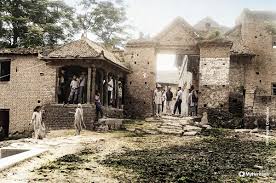
Historically, the Basnet community has a long connection with the history of western Nepal, especially the old Khas kingdoms of the Karnali region. Historical records show that some Basnet families served as administrators, military leaders, and advisors.
Similarly, researchers have found that Basnet families in different regions such as Khaptadi, Khulal, Shripali. These families played important roles in local communities and supported rulers of governance.
Furthermore, historical records also show that the Basnet name has existed for many generations, which highlights its long presence in Nepali society.
As a result, the Basnet community expanded into several regional branches.
Major Branches of the Basnet Family
Historical sources identify several branches of the Basnet community. The most commonly known groups are:
- Khaptadi Basnet
- Khulal Basnet
- Shripali Basnet
- Lamichhane Basnet
- Pawai Basnet
These groups developed in different regions of Nepal. Each group contributed to society in its own way and preserved its identity over time.
Even today, these branches continue to maintain their cultural identity.
Culture and Traditions
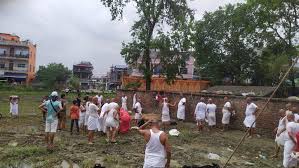
Kike many Nepali communities, Basnet families celebrate important festivals such as Dashain, Tihar, Teej, and Maghe Sankranti. They place strong importance on family unity, respect for elders, and religious values.
Many Basnet families follow Hindu traditions and participate in cultural and social activities. These practices help preserve their heritage and strengthen community bonds.
Along with cultural values, the Basnet community has also made significant contributions to the nation.
Contributions of the Basnet Community
The Basnet community has contributed to Nepal in many fields, including public service, education, administration, business, and the military.
Throughout history, many individuals from Basnet families have worked to support their communities and the nation.Their dedication, leadership, and service have helped make the Basnet name respected across Nepal.
Overall, these contributions together show the importance of the Basnet community in Nepalese society.
Conclusion
Basnet is one of the respected communities in Nepal with a long historical background and many interesting stories . Although there are different opinions about the origin of the name, the community is widely known for its service leadership, and contribution to society.
Today, Basnet families live in different parts of Nepal and continue to follow their culture and traditions. Learning about the history of the Basnet community helps us understand Nepal’s rich heritage and encourages respect for our ancestors and culture.