
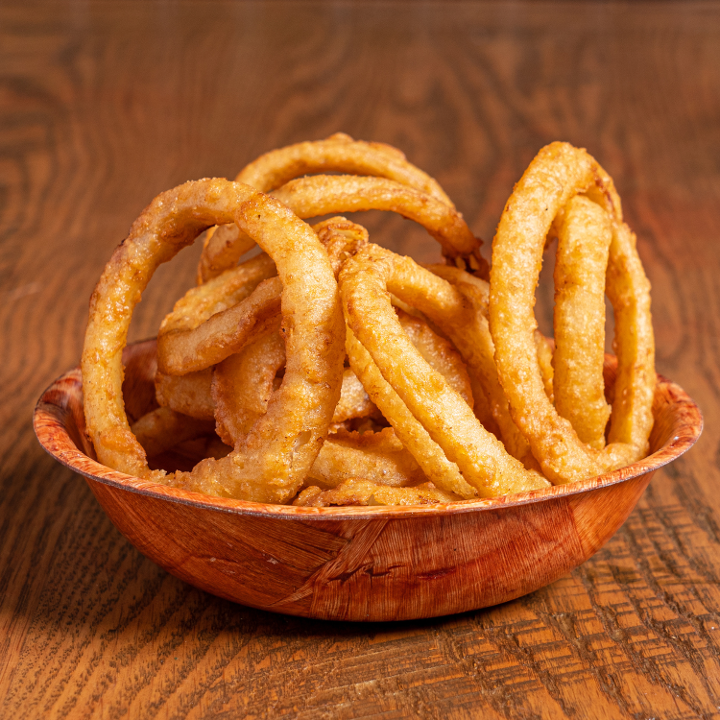
If you grew up in a Nepali household, the sound of a heavy karai clanking on the stove and the rhythmic thwack-thwack of batter being whipped by hand is the ultimate “core memory.” Sel Roti isn’t just a dish; it is a cultural identity shaped into a golden ring. While the rest of the world has its donuts and bagels, we have the Sel—a crispy, sweet, and soul-satisfying bread that has fueled generations of Nepalis from the high Himalayas to the humid Terai.
More Than Just Food: A Story of Tradition
In Nepal, Sel Roti is synonymous with Tihar, the festival of lights. You’ll see mothers and grandmothers waking up before dawn, sitting cross-legged in the kitchen, turning “the pour” into a spiritual ritual. It’s the star of the Bhai Tika plate, offered with love to brothers, and a must-have for weddings (Bihe) and naming ceremonies (Nwaran).
But its history is also one of practicality. Our ancestors designed Sel Roti to last. In the old days, when people traveled on foot for days across mountain passes, they carried a bundle of Sel Roti. Because it’s deep-fried in ghee and contains almost no water, it stays fresh and delicious for over a week—the original Himalayan “to-go” food.
The Anatomy of a Perfect Sel
What makes a “proper” Sel Roti? It’s all about the texture. It shouldn’t be soft like a pancake or hard like a rock. It needs that “Kurum-Kurum” (crunchy) exterior that gives way to a soft, slightly chewy heart.
The flavor is a subtle masterpiece. It’s not sugary-sweet like candy; it has a deep, toasted rice aroma, enriched by the creaminess of shuddha ghee and the warm, floral kick of sukumel (cardamom).
The Ultimate Guide: How to Make Authentic Nepali Sel Roti
Making Sel Roti is an art form. Don’t be discouraged if your first few look like “amoebas” rather than perfect circles—even the best home cooks spent years practicing the flick of the wrist!

1. The Secret is in the Rice
Forget store-bought flour. For that authentic crunch, you need to start from scratch.
The Soak: Take about 1kg of high-quality short-grain rice (like Taichin). Wash it until the water runs clear, then soak it for at least 8 hours.
The Grind: Drain the rice and grind it. You want it to be a bit “coarse”—if you rub it between your fingers, it should feel like fine semolina, not a smooth powder. This is the secret to the crunch!
2. Preparing the Batter (The Hard Work)
This is where the magic happens.
The Mix: Transfer your ground rice to a large bowl. Add about 200g of sugar and 150g of pure ghee.
The Aromatics: Add a generous tablespoon of crushed cardamom and a pinch of cloves.
Optional Nepali Touch: Many families add a tiny bit of mashed “Chini Champa” banana or a splash of milk to ensure the inside stays soft.
The Beating: Now, the workout begins. You must beat the batter vigorously with your hand for at least 15–20 minutes. You are trying to incorporate air to make it light. The consistency should be “dropping”—thick enough that it doesn’t just run away, but fluid enough to pour.
Resting: Let the batter rest for 2 hours. This is crucial for fermentation and texture.
3. The Frying Ritual
The Heat: Use a wide, flat-bottomed karai. Fill it with oil (traditionally mixed with ghee). The oil needs to be hot—if you drop a tiny bit of batter in, it should sizzle and pop to the surface immediately.
The Pour: This is the most famous part. Scoop up a handful of batter. Using your thumb to control the flow, pour the batter into the hot oil in a quick, confident circular motion.
The Bamboo Sticks (Puyu): Every Nepali kitchen has these long, thin bamboo sticks. Use one to keep the center hole clear and the other to rotate the roti.
The Golden Hue: Fry until the bottom turns a beautiful reddish-gold. Flip it over using the sticks. Once both sides are crispy and firm, lift it out and let it drain.
And there you have it—your crispy, golden sel roti is ready to be enjoyed! Serve it warm with a cup of tea or pair it with your favorite side dishes. Enjoy your homemade creation!
With that final bite of sel roti, we’ve taken a delicious dive into one of Nepal’s beloved homemade specialties. But now, let’s step out of the home kitchen and onto the vibrant streets of Lalitpur to explore the top 10 street food junctions you just can’t miss
🍲 Top 10 Street Food Junctions in Lalitpur, Nepal
Lalitpur (Patan) is a city where heritage and food culture intertwine. Its bustling lanes, heritage squares, and modern neighborhoods are dotted with street food junctions that serve everything from traditional Newari delicacies to fusion snacks. Here’s a detailed guide to the 10 best street food spots in Lalitpur, complete with map locations so you can plan your own food trail.
1. Jhamsikhel Street Food Lane
Highlights: Momo stalls, fried snacks, Thakali eateries.
Why visit: Jhamsikhel is Lalitpur’s trendiest food hub, buzzing with both local vendors and modern cafés. It’s perfect for an evening stroll where you can sample momos from one stall, fried chicken from another, and end with a Thakali thali.
Map Location: Jhamsikhel Road, Lalitpur.
2. Patan Durbar Square Area
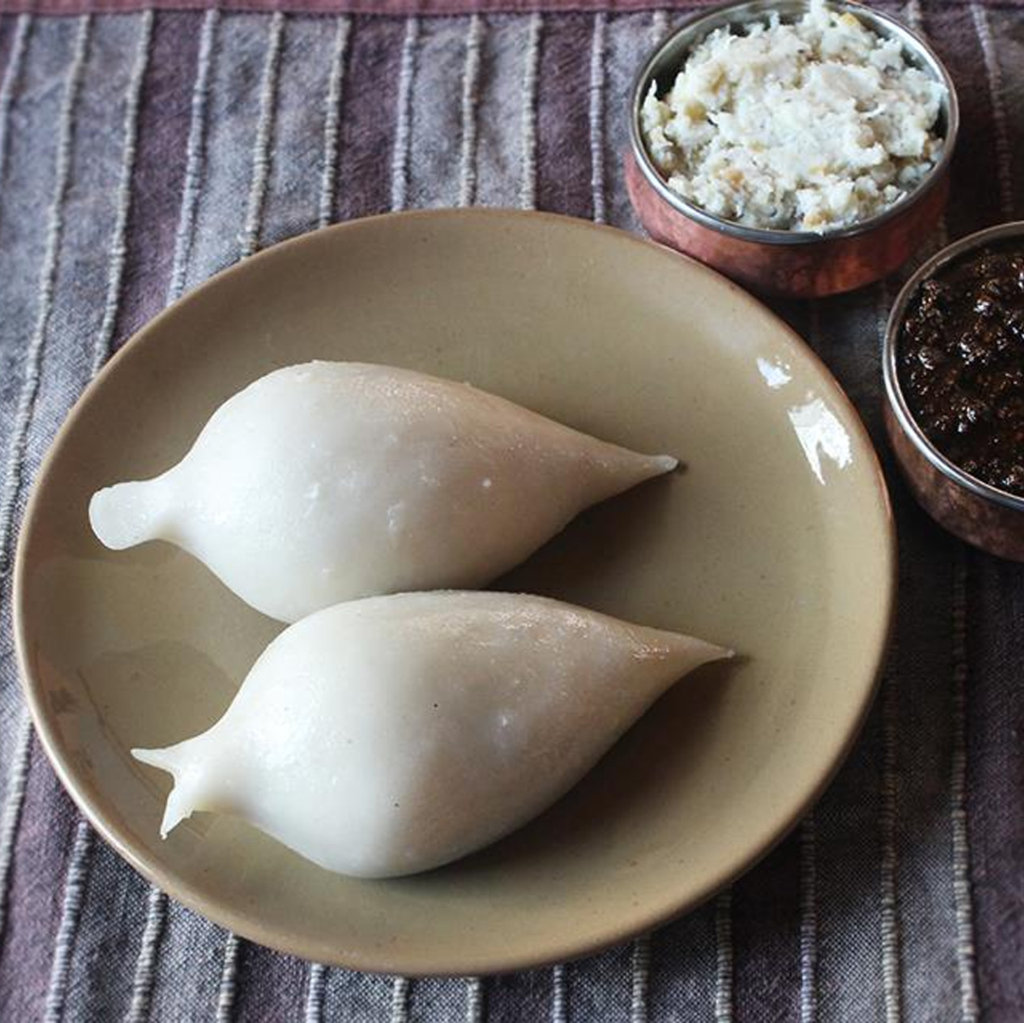
Highlights: Samay baji, bara, yomari.
Why visit: This UNESCO heritage site is not just about temples—it’s also a culinary hotspot. Vendors around the square serve authentic Newari dishes that are deeply tied to local festivals and traditions.
Map Location: Patan Durbar Square, Mangal Bazaar.
3. Kupondole Junction
Highlights: Spicy noodles, fried chicken, momo.
Why visit: A favorite among students and office-goers, Kupondole offers affordable and filling street food. The junction is lively in the evenings, with stalls serving quick bites perfect for a casual hangout.
Map Location: Kupondole, Lalitpur.
4. Yala Garden Café & Restaurant

Highlights: Fusion street-style bites, c, Nepali snacks.
Why visit: Located near Patan Durbar Square, Yala Garden blends traditional flavors with modern presentation. It’s a great stop if you want a mix of heritage sightseeing and food indulgence.
Map Location: Swotha, Patan.
5. Jimbu Thakali (Jhamsikhel)

Highlights: Thakali set meals, momo.
Why visit: Known for authentic Thakali cuisine, Jimbu Thakali is a must for anyone craving wholesome Nepali meals. Their momos are also highly rated.
Map Location: Jhamsikhel Road, Lalitpur.
6. Tasneem’s Kings Kitchen

Highlights: Indian street food—biryani, kebabs, curries.
Why visit: For a change of flavor, Tasneem’s brings rich Indian street food to Lalitpur. The kebabs and biryani are especially popular.
Map Location: Jhamsikhel, Lalitpur.
7. Evoke Café & Bistro
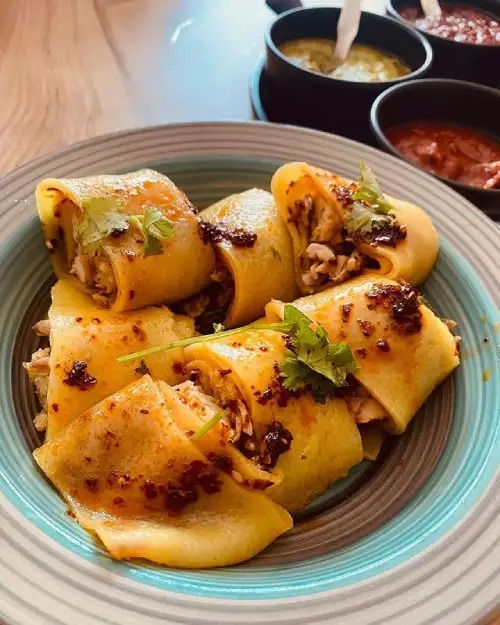
Highlights: Burgers, fries, Nepali fusion snacks.
Why visit: A relaxed café with a street-side vibe, Evoke is perfect for those who want a mix of Western fast food and Nepali flavors.
Map Location: Jhamsikhel, Lalitpur.
8. The Inn Café (Patan)

Highlights: Quick bites, coffee, Nepali snacks.
Why visit: A cozy corner café near Patan Durbar Square, ideal for a light snack and coffee break during your heritage walk.
Map Location: Patan, near Durbar Square.
9. Lagankhel Bus Park Stalls

Highlights: Steamed momo, fried momo, chowmein.
Why visit: This bustling transport hub is full of affordable food stalls. It’s the best place to grab a quick bite while experiencing the everyday rhythm of Lalitpur.
Map Location: Lagankhel Bus Park, Lalitpur.
10. Mangal Bazaar Samay Baji Vendors

Highlights: Traditional Newari platter (beaten rice, spiced meat, pickles).
Why visit: For the most authentic cultural food experience, head to Mangal Bazaar. The samay baji vendors here serve dishes that are part of Newari rituals and celebrations. Map Location: Mangal Bazaar, Lalitpur.