
Evolution of the system

Lalitpur is known for preserving ancient customs, festivals, and craftsmanship.
- Festivals (Jatras): Major celebrations like Rato Machhindranath Jatra involve large chariots, religious rituals, and community participation. Another important festival is Krishna Janmashtami, celebrated at temples like Patan Krishna Mandir.
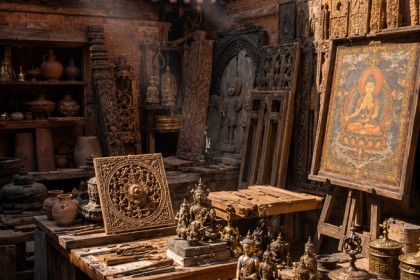
- Art and Architecture: The city is famous for temples, courtyards (bahals), and monuments in Patan Durbar Square, reflecting Newari artistry.
- Handicrafts Tradition: Generations of artisans pass down skills such as wood carving, stone carving, and metalwork.
Traditional Occupations in Lalitpur
Many occupations are tied to caste and family traditions:
- Metal Craftsmen (Tamakar): Known for bronze and copper statues of deities.
- Wood Carvers: Create detailed windows, doors, and temple carvings.
- Stone Sculptors: Produce statues and religious structures.
- Potters (Kumale): Make clay pots and household items, especially in traditional areas.
- Farmers: Agriculture was historically important in surrounding areas, producing rice and vegetables.
- Priests and Ritual Specialists: Perform religious ceremonies and maintain temple traditions.
Modern Influence
Today, while many people still follow traditional occupations, others are engaged in:
- Tourism-related work (guides, handicraft shops)
- Small businesses and services
- Education and professional jobs
Overall, Lalitpur blends ancient traditions with modern lifestyles, making it one of Nepal’s most culturally vibrant cities.