
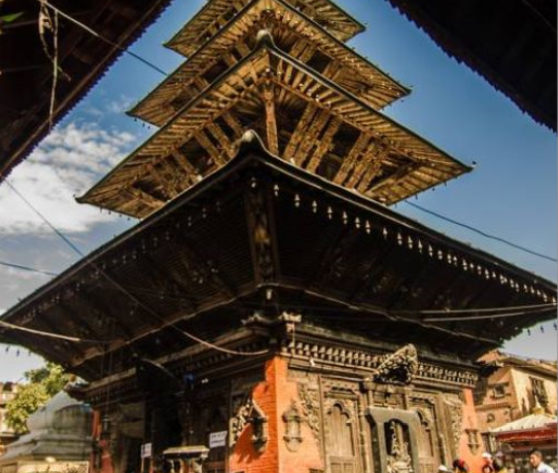
Have you ever looked at a window and thought it could tell a story? In Patan, Nepal, some windows do exactly that. Their detailed carvings show gods, animals, flowers, and ancient symbols. These beautiful Newari Woodcarvings are more than decorations. They are pieces of history carved into wood.
For hundreds of years, skilled artists have created these masterpieces by hand. Today, visitors from around the world come to Patan to admire them. Let’s discover the hidden stories inside these amazing windows.
What Are Newari Woodcarvings?
Newari Woodcarvings are detailed designs carved into wood by artists from the Newar community of Nepal.
These carvings decorate:
Windows
Doors
Temples
Homes
Courtyards
Artists use simple tools to create beautiful patterns and pictures.Every carving has meaning. Some tell religious stories. Others represent nature, protection, or good luck.
Why Patan Is Famous for Its Windows
A City Full of Art
Patan is one of Nepal’s oldest cities. It is famous for its temples, courtyards, and traditional buildings. As you walk through its narrow streets, you will see many beautiful Patan windows. Each window is unique. Some are simple, while others are covered with tiny details.
A Living Museum
Many cities keep art inside museums. Patan is different.Its art lives on homes, temples, and public buildings. Visitors can see history simply by walking through the city.This is one reason Patan is known for its rich artistic heritage.
The Special Beauty of Carved Wooden Windows
More Than Just a Window Most windows help light and air enter a room. But carved wooden windows do much more. They tell stories about religion, culture, and everyday life. Some windows have images of gods and goddesses. Others show birds, flowers, and mythical creatures.
Tiny Details Everywhere
Artists spend weeks or even months working on one window. They carefully carve:
Flower patterns
Religious symbols
Animals
Human figures
Geometric designs
The result is a work of art that can last for hundreds of years.
How Artists Create Traditional Wood Art
Step 1: Choosing the Wood
The process begins with selecting strong, high-quality wood. The wood must be durable enough to survive changing weather. Good wood helps the carving last for generations.
Step 2: Drawing the Design
Before carving begins, artists sketch their ideas. This works like a blueprint for a building. The drawing guides every cut and detail.
Step 3: Carving the Patterns
Artists use special carving tools to remove small pieces of wood. Slowly, the design begins to appear. This step requires patience and steady hands. One mistake can damage the entire piece.
Step 4: Finishing the Artwork
After carving, artists smooth the surface and clean the details. Sometimes they apply protective coatings to help preserve the wood. The finished product becomes a beautiful piece of traditional wood art.
The Stories Hidden in the Carvings
Religious Symbols
Many carvings show important figures from Hinduism and Buddhism. These images remind people of faith and spiritual values. They also help teach stories from ancient traditions. Animals and Nature
Birds, lions, elephants, and flowers often appear in carvings.
These symbols represent:
Strength
Wisdom
Peace
Prosperity
Nature plays an important role in Newar artistic traditions.
Protective Designs
Some patterns are believed to protect homes from bad luck. Families often include these symbols above doors and windows. For generations, people have trusted these designs to bring safety and happiness.
How Newari Culture Influences the Art
Art and Daily Life
In Newari culture, art is not separated from everyday life. People see artistic designs in:
Homes
Temples
Festivals
Public squares
Art becomes part of the community.
Passing Skills Through Generations
Many woodcarvers learn from their parents and grandparents. The skills pass from one generation to the next. This helps keep the tradition alive. Without new learners, these valuable skills could disappear.
Newari Woodcarvings and Nepalese Architecture
Building beauty into every structure one reason Nepalese architecture is admired worldwide is its detailed woodwork. Artists do not simply build structures, they decorate them with creativity and meaning.
Architecture That Tells Stories
Modern buildings often focus on function. Traditional Newar buildings combine function and art. Windows become storytellers. Doors become works of art. Entire buildings become cultural treasures.
Why These Carvings Matter Today
Protecting History
Every carving preserves a piece of Nepal’s history. They show how people lived, believed, and expressed creativity centuries ago. Without preservation, these stories could be lost.
Supporting Local Craftsmen
Many artisans still earn a living through woodcarving. Tourists and collectors purchase handmade works. This supports local families and keeps traditional skills alive.
Inspiring Future Artists
Young people can learn important lessons from these craftsmen.
Woodcarving teaches:
Patience
Creativity
Attention to detail
Respect for tradition
These skills are valuable in any career.
Challenges Facing Traditional Woodcarving
Modern construction
Many new buildings use concrete, steel, and glass instead of carved wood. This reduces demand for traditional craftsmanship.
Fewer Young Apprentices
Some young people choose other careers. As a result, fewer students learn woodcarving techniques. Weather and Time Wood can be damaged by rain, sunlight, and insects. Old carvings require regular care and restoration.
Fun Facts About Newari Woodcarvings
Here are some interesting facts:
Some carved windows are over 500 years old.
Every handmade window is unique.
Many carvings tell religious stories.
Artists often spend months on a single project.
Patan is famous around the world for its woodcarving tradition.
How Visitors Can Explore Patan’s Windows
Visitors can discover beautiful carvings throughout Patan’s historic neighborhoods. The best places include:
Temple courtyards
Traditional Newar homes
Historic streets
Public squares
Ancient palaces
Every walk becomes a journey through history. Looking closely often reveals details that many people miss.
Conclusion
In conclusion, Newari Woodcarvings represent much more than decorative artwork. Instead, they showcase the creativity, craftsmanship, and cultural heritage of the Newar community. Through their skill and dedication, artisans transform ordinary wood into extraordinary works of art.
Moreover, the beautiful Patan windows, intricate carved wooden windows, and stunning examples of traditional wood art continue to tell stories that connect the past with the present. As a result, these carvings help preserve Newari culture and enrich Nepalese architecture. As long as artisans continue teaching their skills and younger generations continue learning them, Newari Woodcarvings will inspire visitors, artists, and communities for many years to come.

