
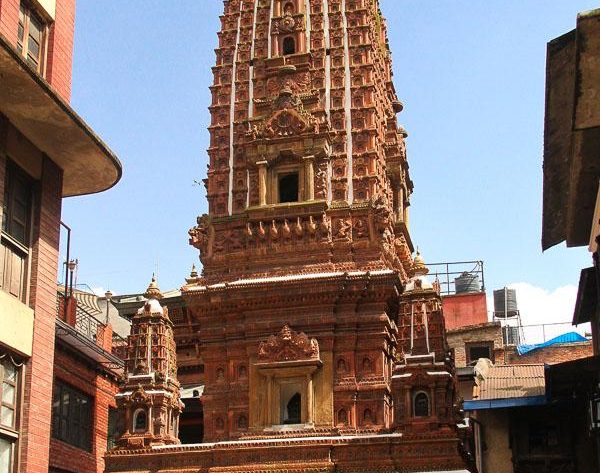
Imagine walking through a narrow, quiet alleyway in Patan, Lalitpur. The bustling sounds of motorbikes and street markets slowly fade away. You round a tight corner. And suddenly, you are looking up at a towering structure that seems to glow with a warm, reddish-orange light. This is the Mahabouddha Temple Lalitpur, often called the “Temple of Nine Thousand Buddhas.”
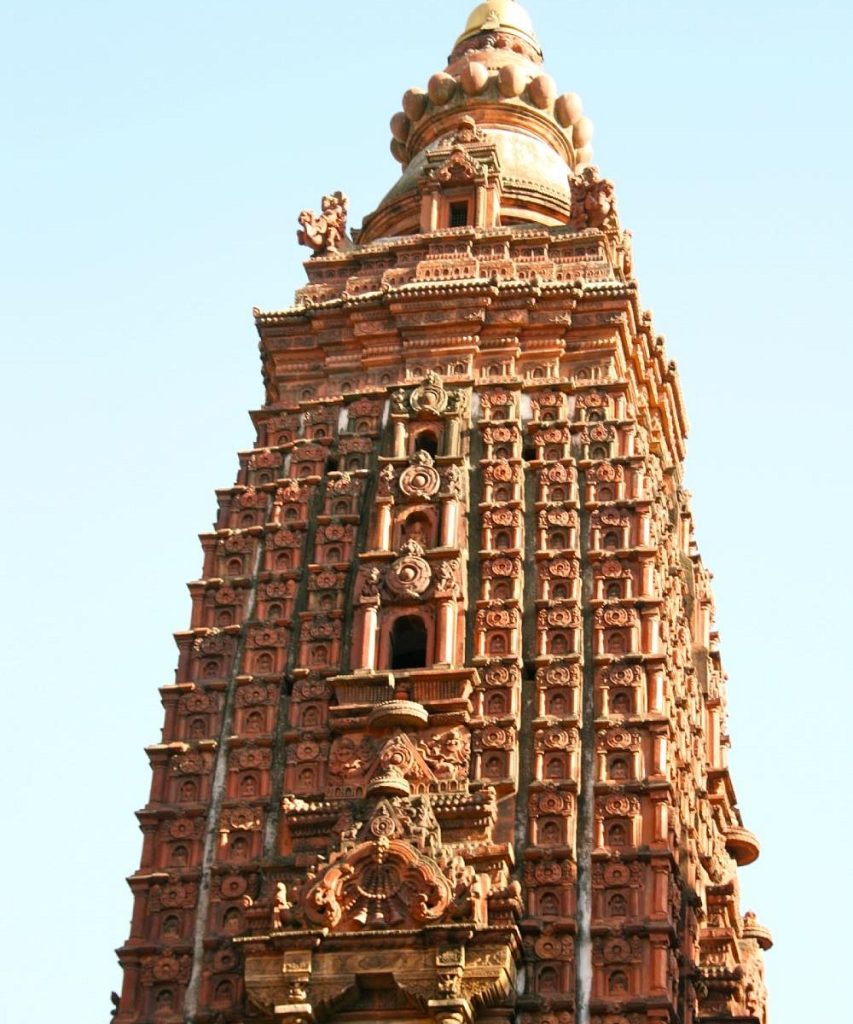
What makes this place absolutely mind-blowing isn’t just its height or its age. It is a fact that nearly every single inch of this massive temple is made from terracotta baked clay. Thousands of individual clay bricks, each carved with a tiny, smiling image of the Buddha
But who built this masterpiece? How did simple river mud turn into a world-famous monument that has survived earthquakes, wars, and hundreds of years of history?
What is Terracotta?
Terracotta comes from Italian words that mean “baked earth.” Humans have used it as one of their oldest building and artistic materials.
Artists take wet clay from the ground, shape it into bricks, pots, or statues, and bake it in extremely hot kilns. The intense heat hardens the clay until it becomes as strong as stone and transforms its dull grey or brown color into a rich orange-red hue.
During the 14th century, the skilled Newar artisans of the Kathmandu Valley mastered this craft. Rather than choosing clay simply because it was affordable, they valued it for its versatility. Soft clay allowed them to carve intricate patterns, detailed figures, and delicate designs before firing it, enabling them to create stunning works of art that have endured for centuries.
The Birth of Mahabouddha: A Dream Made of Clay
The story of the Mahabouddha Temple begins with a man named Abhayaraj Shakya. He was an artist, a priest, and a traveler who lived in Lalitpur.
During his travels, Abhayaraj visited Bodh Gaya in India. The famous place where Siddhartha Gautama (the Buddha) attained enlightenment under the Bodhi tree. While there, he marveled at the great Mahabodhi Temple. Which is a magnificent stone structure that reached toward the sky.
Abhayaraj returned home to Lalitpur with a dream: he wanted to build a replica of that beautiful temple right in his own backyard. The Kathmandu Valley had some of the finest, most malleable clay in the world.
Abhayaraj and his family decided to use clay. They began planning a temple where every single brick would be a work of art.
Beyond Mahabouddha: The Terracotta Legacy of Lalitpur
While the Mahabouddha Temple is the crown jewel of terracotta art in Nepal, the skills of these 14th-century artists didn’t stop there. Their techniques spread across the entire Kathmandu Valley, creating a style of architecture that defines the region to this day.
If you explore the rest of Lalitpur and neighboring cities like Bhaktapur and Kathmandu, you will see their legacy everywhere:
- Traditional Newar Bricks (Ma-Apa): These are special dark-red bricks used to build regular houses and grand palaces. They are baked so perfectly that they naturally repel water, keeping houses dry during the heavy monsoon rains.
- Intricate Window Frames: While Newar woodcarving is incredibly famous, many ancient buildings feature terracotta borders around windows and doors, showing off tiny carved animals and gods.
- The Pottery Squares: In places like Bhaktapur, descendants of these ancient clay workers still use traditional wooden wheels to spin clay pots, drying them out in the public squares just like their ancestors did 700 years ago.