Have you ever looked at a painting and felt like it was telling a secret story? In fact, in the ancient courtyards of Patan, Nepal, colorful paintings do exactly that. These special artworks are called Thangka Painting. Moreover, they are filled with bright colors, detailed patterns, and powerful symbols that immediately capture attention. Many travelers visit Patan because they are drawn to these beautiful works of art. However, Thangka paintings are more than just decorations. Instead, they are deeply connected to religion, culture, and history. Therefore, they hold great spiritual and cultural significance. Now, let’s explore the fascinating world of Thangka Painting and discover the meanings hidden inside these remarkable artworks.
What Is Thangka Painting?
Thangka Painting is a traditional style of painting found in Nepal, Tibet, and nearby regions. Artists paint detailed images on cotton or silk cloth. The finished artwork can be rolled up like a poster and carried from place to place.
These paintings often show:
- Buddhas
- Spiritual teachers
- Religious stories
- Sacred symbols
- Mandalas
Each painting has a special purpose and meaning.
Why Travelers Love Thangka Paintings in Patan
A City Rich in Art and Culture
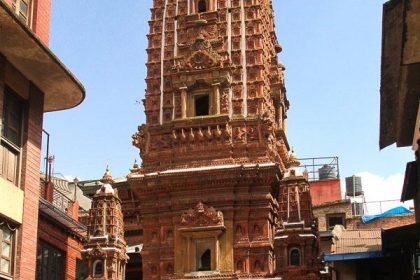
Patan is widely famous for its temples, courtyards, and traditional crafts. As you walk through the city’s narrow streets, you will often discover art workshops hidden behind old buildings. In fact, these workshops play a vital role in keeping Patan art culture alive. Moreover, they preserve traditional skills that have been passed down through generations.
A Unique Cultural Experience
Similarly, watching a Thangka artist at work is truly unforgettable. Artists spend hours, and sometimes even days, carefully painting the smallest details with steady and focused hands. As a result, many visitors are deeply amazed by the patience, dedication, and skill involved. In addition, this experience offers a rare glimpse into a sacred and highly disciplined art tradition.
Understanding Buddhist Mandalas
What Is a Mandala?
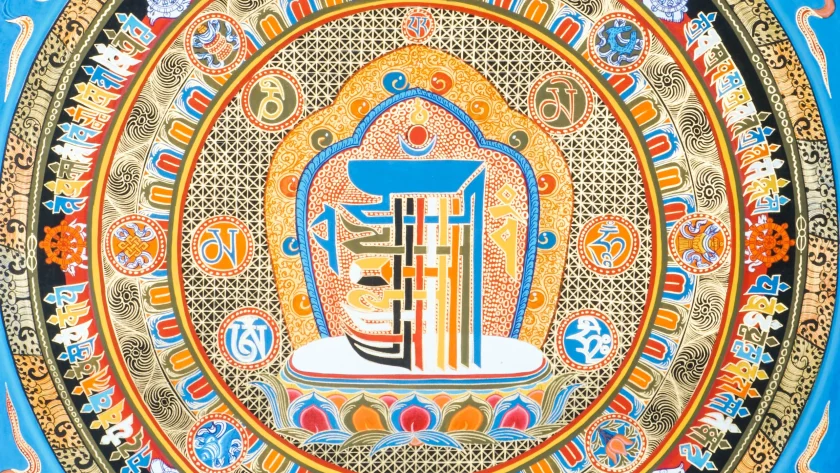
One of the most common designs in Thangka Painting is the mandala. In simple terms, a mandala is a circular design filled with shapes, colors, and intricate patterns. You can think of it as a map; however, instead of showing roads and destinations, it represents a spiritual journey. Furthermore, these beautiful Buddhist mandalas are used to help people focus during prayer and meditation. As a result, they play an important role in guiding the mind toward peace, balance, and spiritual awareness.
Why Are Mandalas Important?
Mandalas represent balance and harmony. In fact, they clearly show how everything in life is connected through carefully arranged designs. Moreover, artists intentionally assign meaning to each shape and color. As a result, nothing appears randomly, and every detail carries deep spiritual significance. Therefore, mandalas function not only as artistic creations but also as powerful spiritual symbols that actively guide people toward mindfulness and reflection.
The History of Thangka Painting
A Tradition Hundreds of Years Old
The history of Thangka Painting stretches back many centuries. During this period, monks and artists actively created these paintings to teach important religious lessons. In addition, they used visual storytelling because books were not widely available at that time. Thus, paintings helped people clearly understand sacred stories and Buddhist beliefs. Consequently, Thangka art developed into an essential tool for spiritual education and cultural preservation.
A Traveling Form of Art
Unlike murals that artists paint on fixed walls, Thangkas can be easily rolled up and carried. Because of this unique feature, monks actively used them while traveling between villages and monasteries. As a result, they shared religious teachings with wider communities wherever they went. Furthermore, this portability helped spread Buddhist philosophy across different regions, allowing more people to engage with and learn from this sacred art form.
How Artists Create Traditional Nepalese Painting
Step 1: Preparing the Canvas
Artists begin by stretching cotton cloth tightly onto a wooden frame. The surface is carefully smoothed to create a painting area. This becomes the foundation for the artwork.
Step 2: Drawing the Design
Artists sketch the image using careful measurements. Every figure must be placed correctly. Even small mistakes can affect the meaning of the painting.
Step 3: Adding Color
Natural pigments are used to create bright colors. Artists slowly fill in every section. This process can take weeks or even months.
Step 4: Painting Fine Details
The smallest details are added last. Artists paint tiny faces, clothing patterns, and symbols using very thin brushes. This stage requires great patience.
Step 5: Final Blessing
In some traditions, religious leaders bless the completed painting. This adds spiritual significance to the artwork. The painting becomes more than art. It becomes a sacred object.
Tibetan Buddhist Art and Its Influence
A Shared Artistic Tradition
Tibetan Buddhist art has influenced Thangka painting for centuries. Many designs, colors, and symbols come from Buddhist teachings. Artists follow special guidelines passed down through generations.
Art That Teaches
These paintings help explain religious ideas. People can learn about compassion, wisdom, and kindness by studying the images. The artwork becomes a visual lesson.
Common Symbols Found in Thangka Paintings
The Lotus Flower
The lotus is one of the most popular symbols. It grows from muddy water but blooms beautifully. This represents growth and purity.
The Wheel
The wheel symbolizes spiritual teachings. It reminds people to keep learning and growing.
Sacred Animals Many paintings include animals such as:
- Lions
- Elephants
- Deer
- Birds
Each animal represents different qualities like strength, wisdom, or peace.
The Spiritual Art of Nepal
More Than Decoration Many people see paintings as decoration. But the spiritual art of Nepal serves a deeper purpose. These artworks support prayer, meditation, and reflection. They help people focus their minds and hearts.
Connecting Art and Faith
In Nepal, art and religion often work together. Artists create works that inspire people and strengthen cultural traditions. This connection makes Thangka painting unique.
Why Thangka Painting Is Important Today
Preserving Cultural Heritage
Firstly, Thangka paintings actively preserve important cultural traditions. In fact, they carefully keep ancient stories, beliefs, and artistic skills alive through visual expression. Moreover, these paintings continuously pass knowledge from one generation to the next. As a result, they prevent valuable cultural heritage from disappearing over time. Therefore, Thangka art plays a crucial role in protecting Nepal’s spiritual and cultural identity.
Supporting Local Artists
In addition, many families actively earn their livelihood through traditional Thangka painting. When tourists purchase authentic artwork, they directly support local artists and their communities. As a result, this financial support encourages younger generations to continue learning and practicing this traditional craft. Furthermore, it helps sustain the cultural economy of local artisan families.
Inspiring Creativity
Finally, Thangka artists consistently demonstrate patience, discipline, and dedication in their work. Through their practice, they show that great results come from careful effort and attention to detail. Moreover, young people actively learn valuable life lessons from these artists, including focus, creativity, and perseverance. Thus, Thangka painting continues to inspire both artistic expression and personal growth today.
Challenges Facing Traditional Artists
Even though Thangka painting remains popular, artists face challenges.
Competition From Mass Production
Printed copies are cheaper and faster to produce. However, they cannot match the beauty of handmade artwork.
Time-Consuming Process
Creating a single painting can take many weeks. This makes traditional work more expensive.
Finding New Learners
Artists need students to continue the tradition. Teaching the next generation is very important.
Fun Facts About Thangka Painting
Here are some interesting facts that reveal more about this sacred art form:
Firstly, some Thangka paintings take several months to complete because artists carefully work on every tiny detail with great patience.
In addition, artists often use very small brushes to create extremely precise lines and intricate designs.
Moreover, mandalas follow carefully planned geometric patterns, and artists intentionally arrange every shape to maintain balance and harmony.
Furthermore, many Thangka paintings are designed in a way that allows people to roll them up easily, which makes them perfect for travel and teaching purposes.
Finally, each color and symbol carries a special meaning, and artists actively choose them to represent spiritual ideas and teachings.
Tips for Travelers Visiting Patan
If you visit Patan, look for opportunities to explore local art workshops. You can:
1. Watch artists paint by hand.
2. Learn about Buddhist symbols.
3. Ask questions about mandalas.
4. Visit historic courtyards and temples.
5. Support local artists by purchasing authentic artwork.
These experiences help visitors better understand Nepal’s rich cultural heritage.
Conclusion
Thangka Painting is one of the most beautiful and meaningful art forms in Nepal.Furthermore, the influence of Tibetan Buddhist art, the richness of Patan art culture, and the beauty of traditional Nepalese painting all come together in this remarkable tradition. In addition, each Thangka serves as both an artistic masterpiece and a valuable teaching tool. As a result, viewers gain a deeper understanding of Buddhist philosophy, history, and symbolism. Moreover, as an important part of the spiritual art of Nepal, Thangka paintings continue to educate, inspire, and connect people to their cultural heritage. Even today, this timeless art form remains a powerful bridge between the past and the present, preserving traditions while inspiring future generations.