Introduction
LMC Alert System in Lalitpur is a smart city safety and emergency management system designed to improve communication between Lalitpur Metropolitan City and its residents. Lalitpur is one of the historical and rapidly developing cities of Nepal. As population, traffic, and urban activities continue to increase, the city faces various safety and management challenges.
Moreover, LMC Alert System in Lalitpur helps the city respond quickly to emergencies such as earthquakes, floods, fires, and public safety issues. Because of these risks, effective communication between authorities and citizens is very important.
Therefore, the system provides timely alerts, improves emergency response, and supports public safety across the city. In addition, it allows residents to report incidents and receive real-time updates easily.
This article explains how the LMC Alert System works and why it is important for Lalitpur.
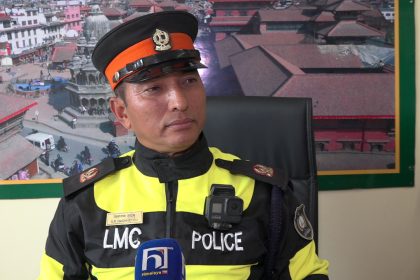
LMC Alert is like a superhero app for our city Lalitpur. It is smart and emergency and public service system. It tells firefighters where to go if there is a fire. In addition, it alert us about broken roads, heavy traffic and many more. It keeps everyone safe and happy. It is like walkie talkie that help city and makes us alert what is happening near us. With this application we can easily send an alert notification instantly to LMC police officer.
Problems Faced by the city


- Women Safety Problems
- Traffic Jam
- Tourist Assistance Challenges
- Public Service Problem
- Delayed Emergency Services
Objectives
- To improve public safety
- To reduce traffic problem
- To help tourists and citizens
- To improve public service using technology
- To improve emergency response time
History and Development
The idea behind LMC Alert emerged after the devastating 2015 Gorkha earthquake, which exposed major communication gaps during emergencies. Many residents either received information too late or not at all. Consequently, the need for a reliable communication system became more apparent. In the years that followed, Lalitpur Metropolitan City collaborated with:
.Technology developers
.Civil society organizations
.International aid agencies
After multiple pilot phases and community feedback, the system was gradually improved and expanded. The system is proposed as a future ready smart city solution that can strengthen communication and emergency management in Lalitpur.
Emergency Support System (IMPORTANT LINKS)
LMC Alert system is connected with local emergency authorities:
Nagar Prahari Support
Residents can contact Nagar Prahari for local incident response for quick action in neighborhoods and public issues.
Police Station Emergency Service
For serious emergencies, citizens can reach Police Station emergency support system for immediate investigation and assistance.
Additionally, the system helps emergency authorities coordinate response more effectively.
Key Features of LMC Alert
The system offers several advanced features. Moreover, these features help citizens receive timely and relevant information.
1. Multi-channel communication: SMS, mobile app notifications, and public display screens
2. Bilingual alerts: Messages available in Nepali and English
3. Priority classification: Alerts categorized as informational, warning, or emergency
4. Location-based targeting: Ward-specific alerts reduce unnecessary notifications
5. User customization: Residents can subscribe to specific categories like health, infrastructure, or disaster alerts.
How Residents Can Register
1. Signing up for LMC Alert is simple:6. Register through the official LMC website
2. Visit your nearest ward office and provide your mobile number
3. Download the LMC mobile app (Android) for additional features
Furthermore, even without a smartphone, residents can still receive alerts via SMS, ensuring broader accessibility.
Role in Disaster Management
Disaster response is the most critical function of LMC Alert. Lalitpur lies in a seismically active zone and is vulnerable to earthquakes, monsoon flooding, and urban fires, especially in dense heritage areas. Therefore, timely communication is essential during emergencies.
The system integrates with national agencies like the Department of Hydrology and Meteorology, enabling real-time warnings to reach residents quickly.
During emergencies, alerts may include evacuation instructions, shelter locations, and emergency contact numbers. Furthermore, this ensures people receive actionable information when it matters most. Therefore, the system plays a vital role in reducing and improving disaster preparedness.
Challenges and Future Plans
Despite its success, the LMC Alert system still faces several challenges. Digital literacy gaps remain, especially among elderly populations who may struggle to use digital platforms effectively. In some areas, limited internet access also affects the reach and reliability of alerts. Additionally, alert fatigue has become a concern, as residents may ignore messages due to frequent non-urgent notifications. However, ensuring long-term funding and financial sustainability is another key challenge for continuous operation and improvement of the system.
Conclusion
In conclusion, the LMC Alert system represents a major step forward for Lalitpur. By investing in a reliable, multi-channel communication system, the city is becoming safer, smarter, and more responsive to its residents. Overall, the system has the potential to significantly improve public safety, emergency response, and urban management in Lalitpur.
It’s not just about sending alerts—it’s about building trust, preparedness, and resilience in an ever-changing urban environment.