
Public Toilets in Lalitpur Metropolitan City
Public toilets are an essential part of urban infrastructure, especially in densely populated and tourist-heavy areas. Historically, many public toilets in Nepal were poorly maintained, unhygienic, and insufficient in number. However, Lalitpur Metropolitan City has actively worked to change this perception.
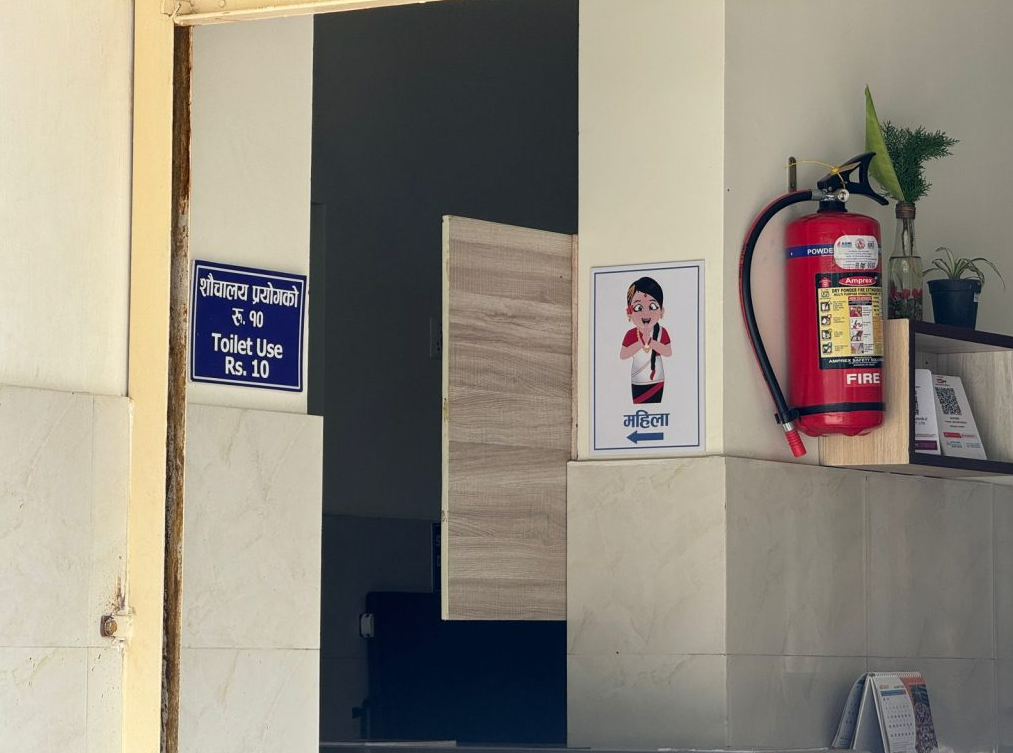
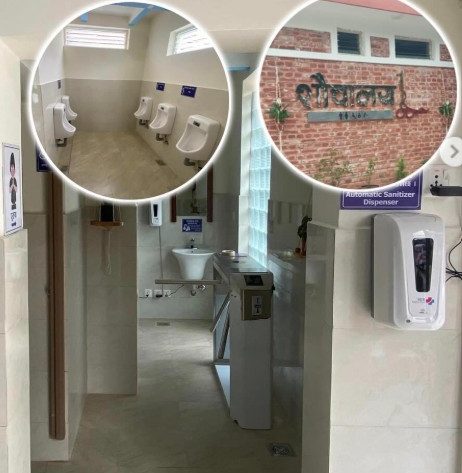
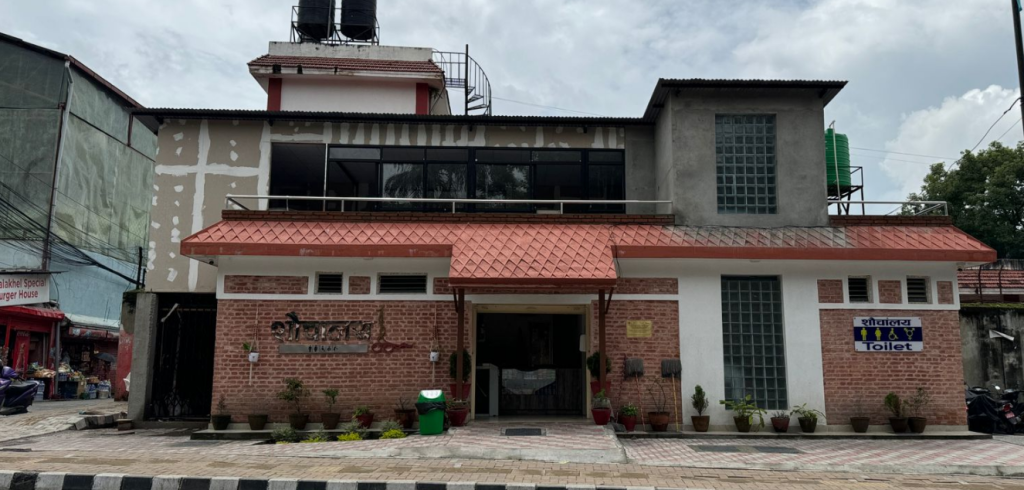
The city has adopted a “smart public toilet” concept, introducing modern, clean, and technology-equipped facilities. According to reports, Lalitpur currently has several operational public toilets, with plans to expand further under a “one ward, one public toilet” policy.
Modern public toilets in areas like Jawalakhel, Mangal Bazaar, and Patan Dhoka are designed to be inclusive and user-friendly. These facilities include features such as automatic systems, proper ventilation, and regular maintenance. Some toilets even utilize eco-friendly technologies like biogas generation from waste.
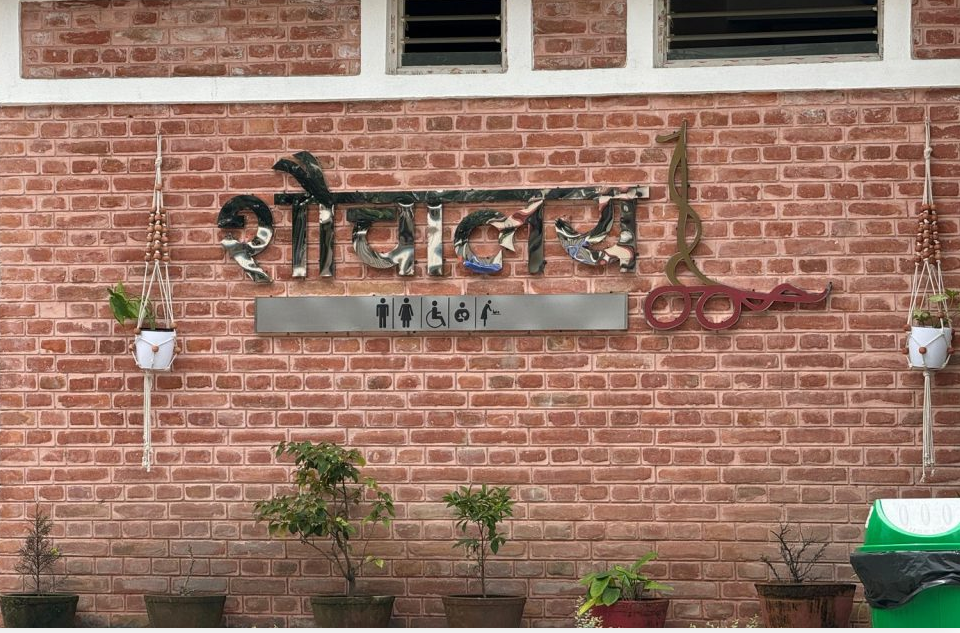
A notable example is the newly constructed toilet at Patan Durbar Square, which reflects both modern functionality and traditional architecture. This facility includes multiple units for men and women, a disability-friendly toilet, and hygienic sanitary systems.
Despite these improvements, challenges still remain. The number of public toilets is still limited compared to the city’s growing population and tourist flow. Continuous maintenance, awareness, and expansion are necessary to ensure sustainability.
Breastfeeding Centers in Lalitpur
Breastfeeding centers are crucial for supporting mothers and ensuring child health, especially in public spaces where privacy is often limited. Lalitpur Metropolitan City has started integrating breastfeeding rooms within public infrastructure, particularly in modern toilet complexes.
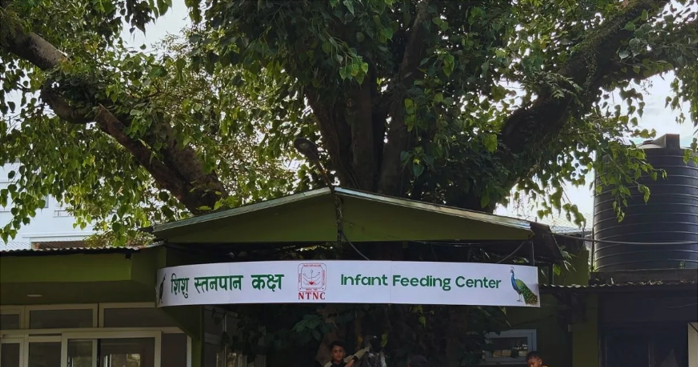
Several newly built “smart toilets” include dedicated breastfeeding spaces, offering privacy, hygiene, and comfort for mothers. These facilities are designed to be safe and accessible, encouraging women to breastfeed without hesitation while outside their homes.
For example, the public toilet at Patan Durbar Square includes a breastfeeding room, highlighting the city’s effort to combine sanitation services with maternal support.
Additionally, health centers operated by the metropolitan city also support maternal and child health programs. These include nutrition education, vaccination, and awareness programs that indirectly promote breastfeeding practices.
The inclusion of breastfeeding centers reflects a progressive approach toward gender-sensitive urban planning. It acknowledges the needs of mothers and contributes to building a more inclusive public space
.