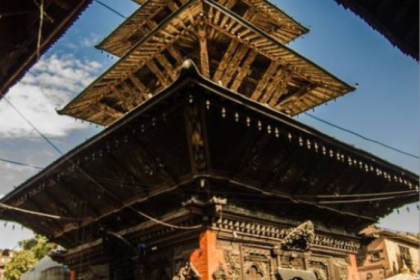
Standing proudly in the heart of Patan Durbar Square, Krishna Mandir is one of Nepal’s most remarkable 21 spires architectural masterpieces . With its elegant stone structure, intricate carvings, and towering spires, the temple attracts thousands of visitors every year. But beyond its beauty lies a world of myths, legends, mysteries, and architectural secrets that have fascinated people for centuries. Many visitors admire the temple’s stunning appearance without realizing that every stone, carving, and spire tells a story.
Why Does Krishna Mandir Have 21 Spires?
One of the greatest mysteries of the temple is its 21 spires. Visitors often notice the multiple towers rising above the structure but wonder why exactly twenty-one were chosen. Several local beliefs attempt to explain this number.
1.Symbol of the Cosmic Universe
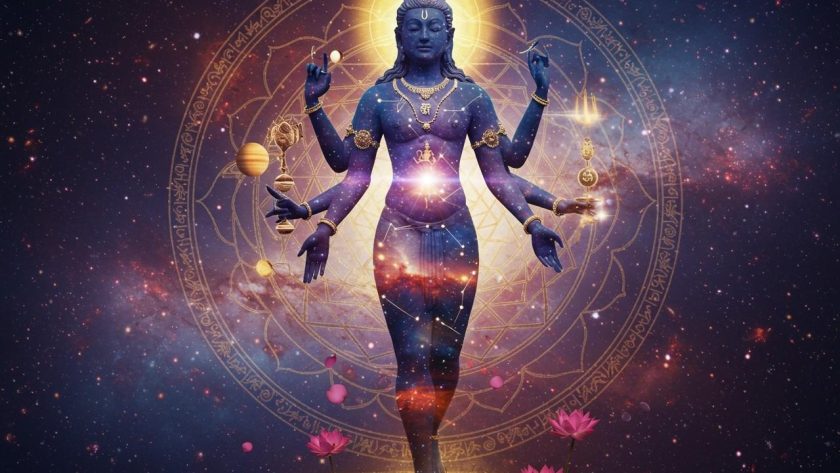
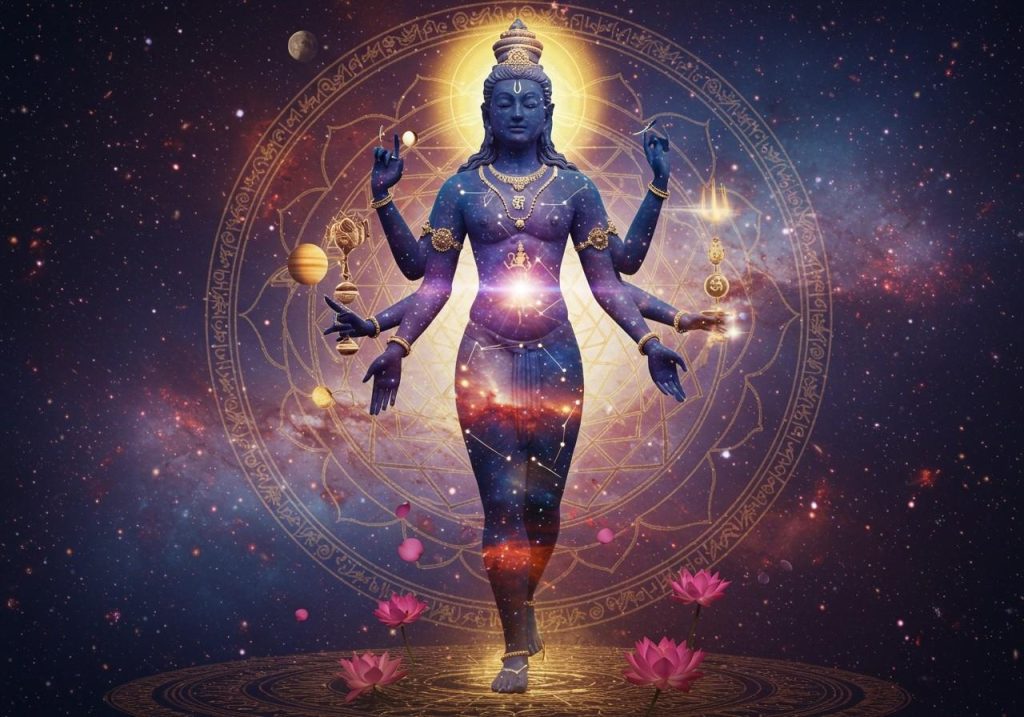
Some scholars believe the 21 spires represent different levels of the universe described in Hindu cosmology. The ascending towers may symbolize a spiritual journey from the earthly world toward the divine realm. In this interpretation, each spire serves as a reminder of humanity’s path toward enlightenment and spiritual growth.
2.Sacred Number in Hindu Tradition
The number 21 appears frequently in Hindu rituals and ceremonies. Offerings are often made in groups of 21, and the number is associated with completeness, blessings, and divine protection.
Some experts suggest that the architects intentionally chose 21 spires to reflect these sacred beliefs.

3.A Royal Statement of Power
Another theory points to the competitive nature of the Malla kings. During the Malla period, rulers of Kathmandu, Bhaktapur, and Patan often competed by building increasingly impressive palaces, temples, and public spaces. The 21 spires may have been designed to demonstrate the wealth, artistic excellence, and political power of the Kingdom of Patan. Although historians continue to debate their true meaning, the mystery of the it remains one of Krishna Mandir’s most fascinating features.