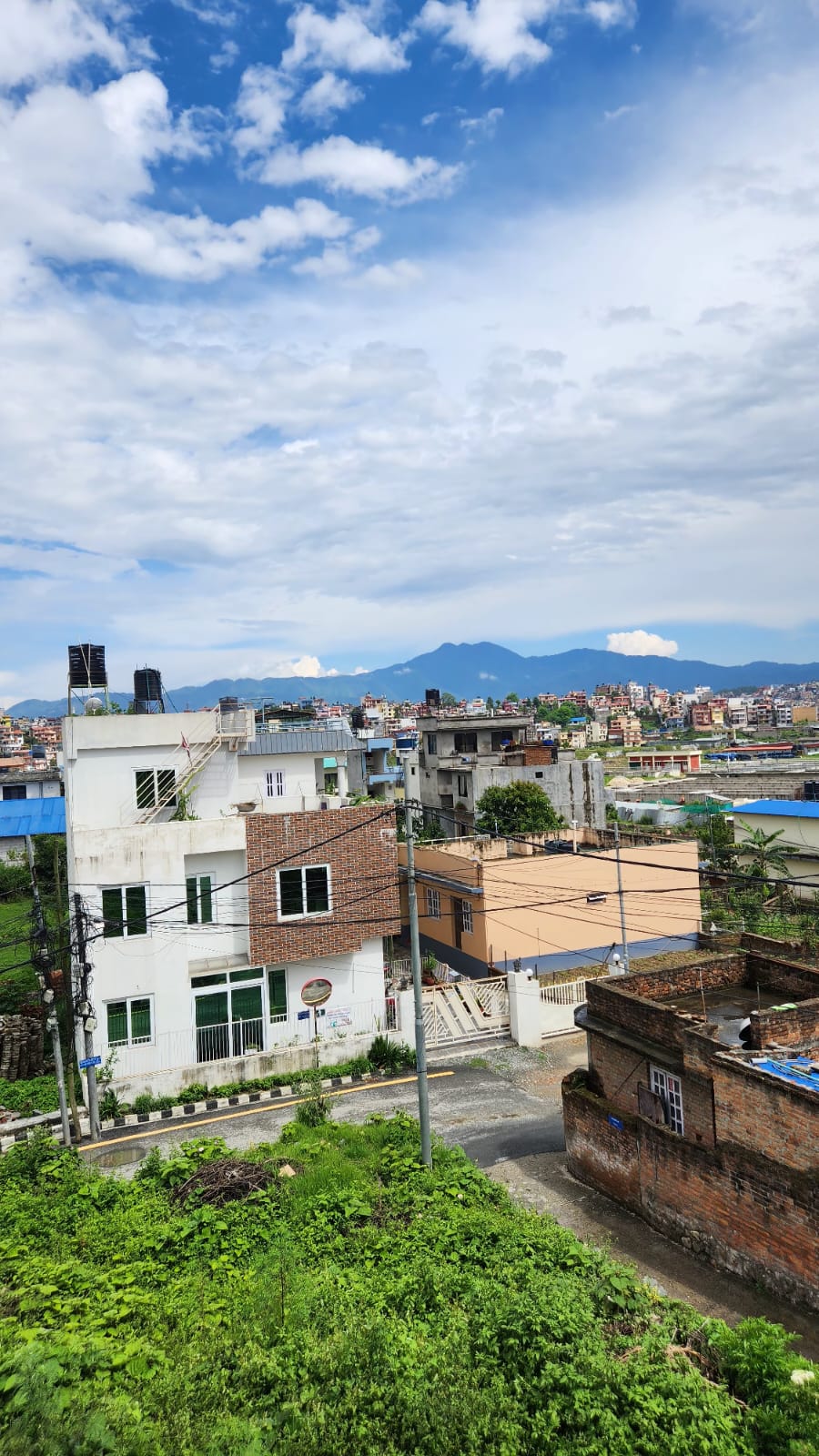
Located in Lalitpur Metropolitan City- Ward 4, Afaldole is one of the transit point where history, culture tradition and modern urban life blend beautifully together. Nestled near Chandragiri and Champadevi hills in the west and Bagmati River in the South, Afaldole is one the ancient settlements that connects Lalitpur and Kathmandu. Kathmandu,
The Importance of Afaldole
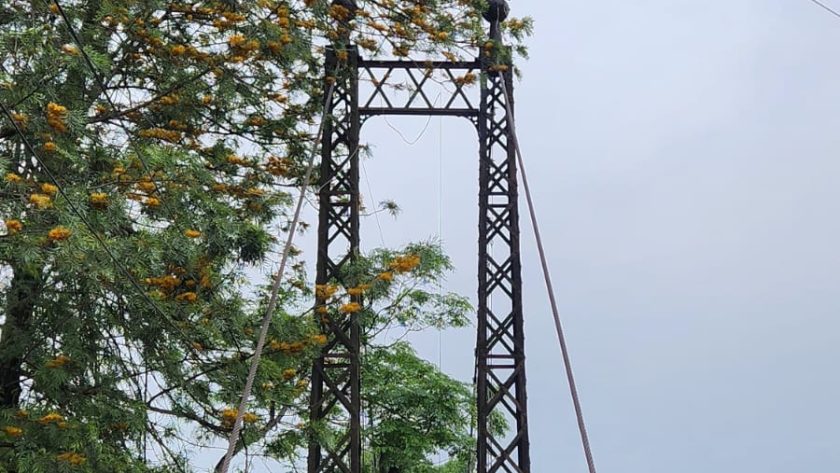
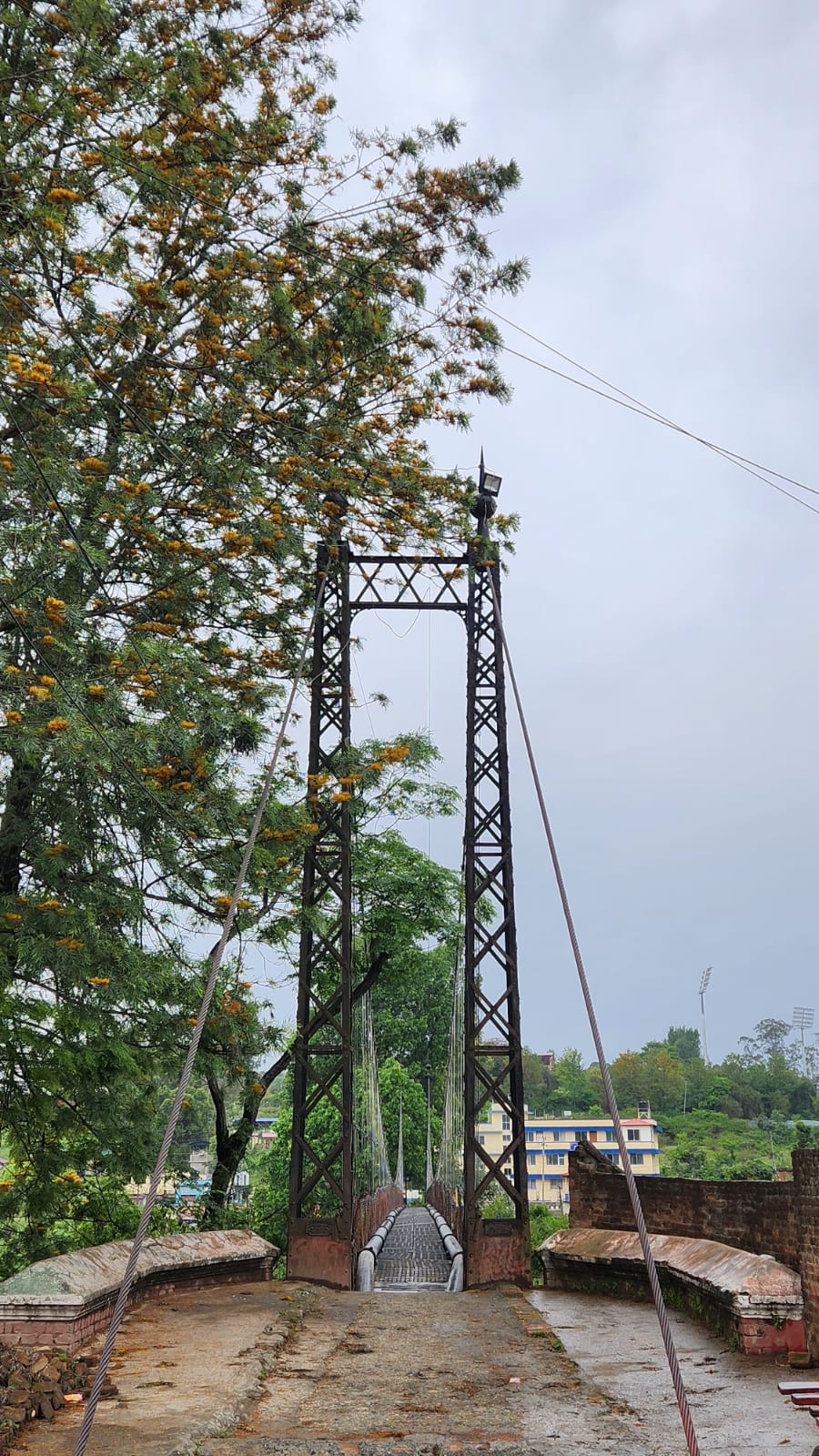
Afaldole serves as a major gateway between Lalitpur and Kathmandu. Thousands of people pass through the area every day for education, business, employment, and religious activities. ‘Sundarighat bridge’ in Afaldole is a historical suspension style bridge located over Bagmati River between Afaoldole, Lalitpur and Kirtipur, Kathmandu. It also serves as an alternative route to divert a traffic route from Balkhu bridge. Locally known as “Jhulunge Pul” often serve as an iconic bridge and connects the resident between Afaldole and Kirtipur.
The History of Basnet Gaun
One of the historically significant settlements in Afaldole is Basnet Gaun, a traditional locality with deep historical roots. The name “Basnet Gaun” is believed to have originated from the Basnet families who settled in the area centuries ago. Historically, the Basnets were associated with influential administrative and military roles during the Shah and Rana periods of Nepal.
In earlier times, Basnet Gaun was surrounded by fertile farmlands and open spaces. Residents primarily depended on agriculture, livestock, and local trade for their livelihood. Over time, urban expansion transformed the village into a more densely populated urban neighborhood, yet many families continue to preserve their ancestral traditions and cultural values.
Community life in Basnet Gaun has always been deeply connected with festivals, religious rituals, and social harmony. Local residents collectively celebrate major festivals such as Dashain, and Tihar. Traditional musical processions, community feasts, and temple worship remain an important part of local identity.
Cultural and Religious Significance
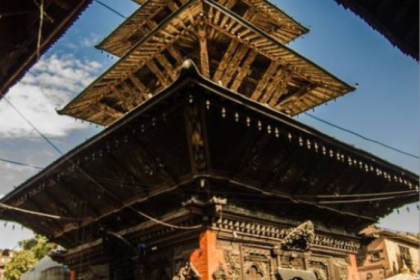
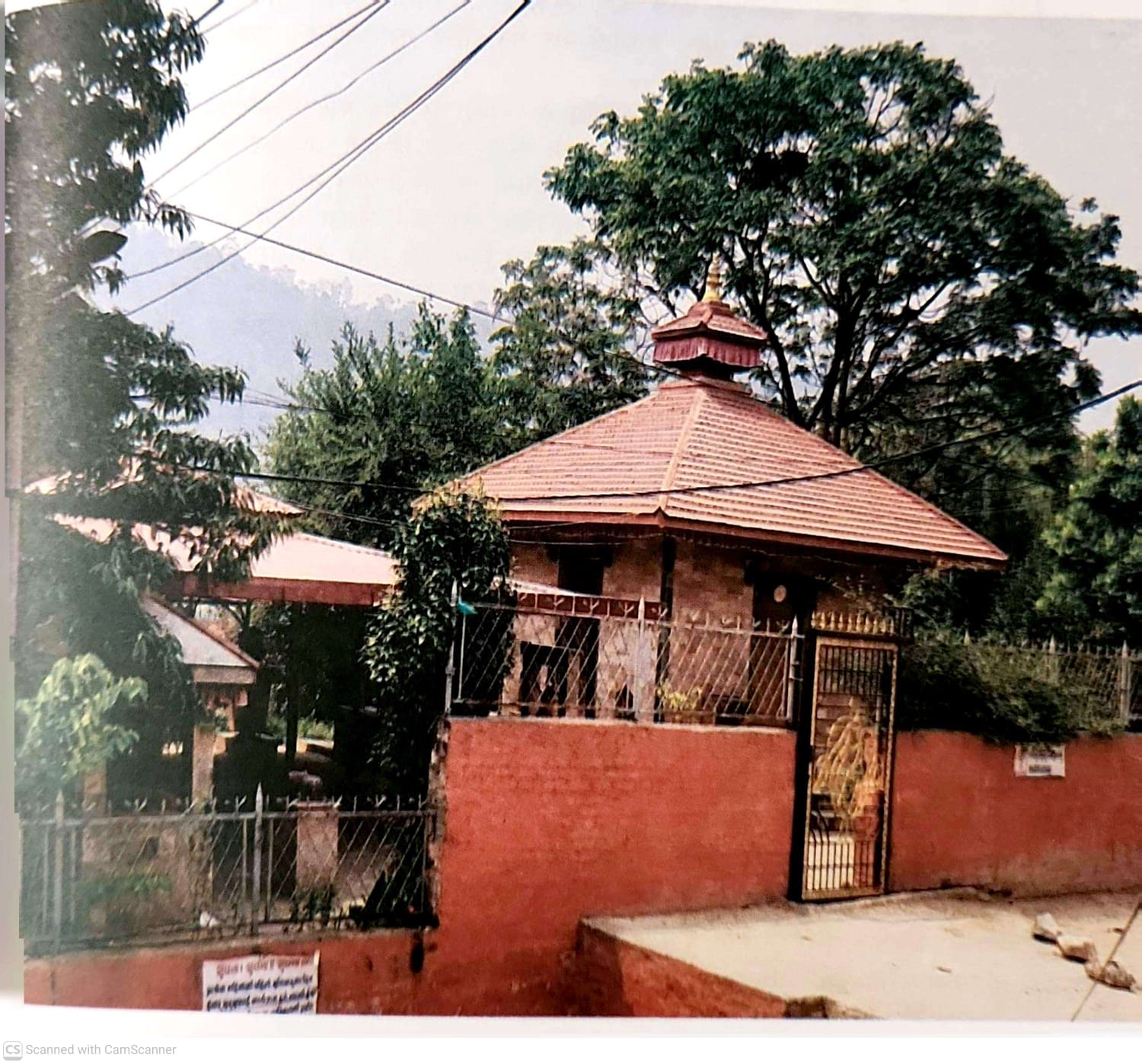
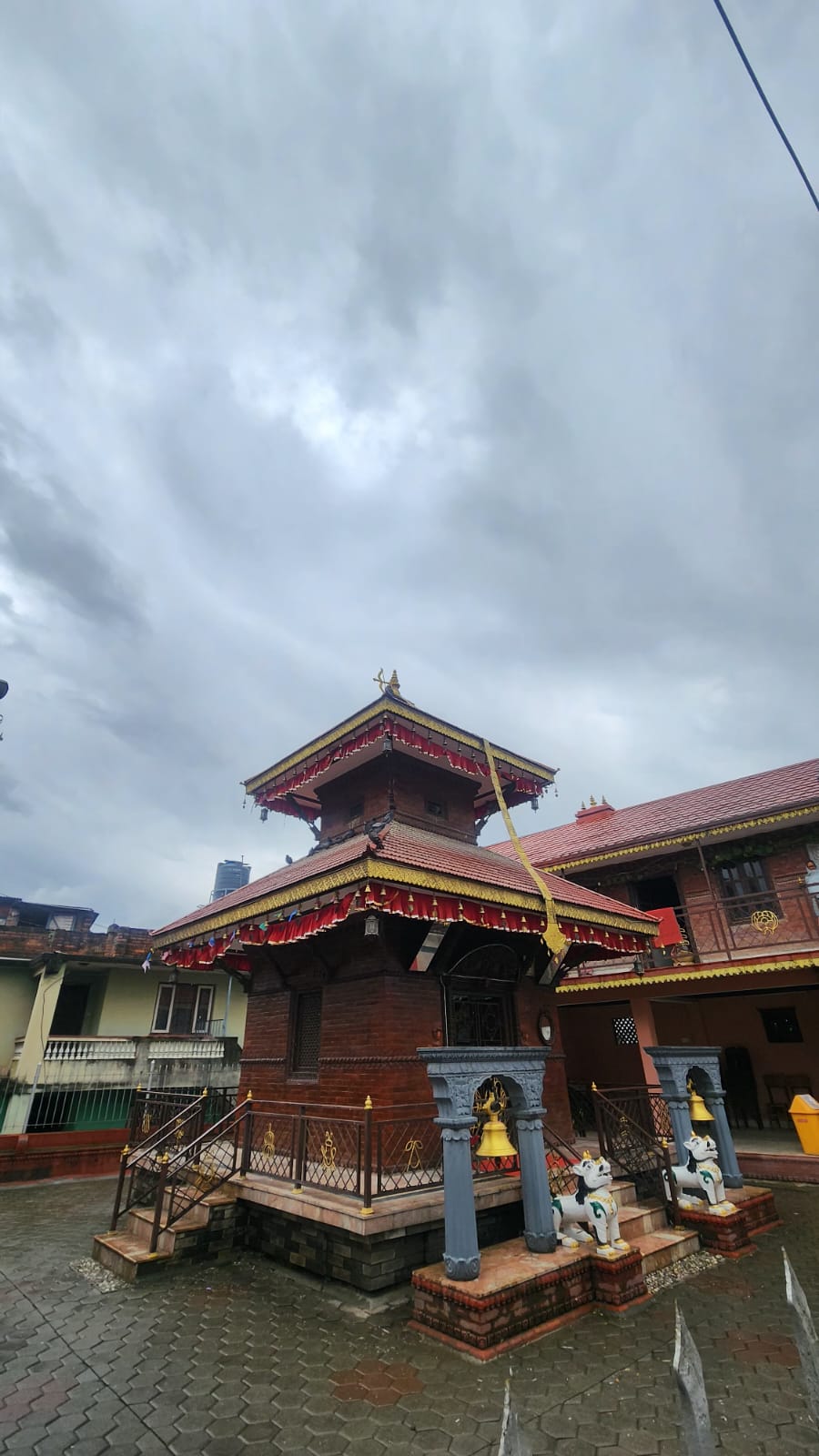
Afaldole is surrounded by several temples and shrines that reflect the spiritual richness of Lalitpur. Small neighborhood temples dedicated to Hindu and Buddhist deities can be found throughout the area. These sacred places are not only centers of worship but also community gathering spaces where residents come together during festivals and ceremonies.
The area’s cultural beauty becomes especially visible during festivals when streets are decorated with lights, oil lamps, and colorful decorations. Traditional music and local processions bring the neighborhood to life, preserving centuries-old customs in the middle of a rapidly modernizing city.
Modern Transformation
Today, Afaldole has evolved into a busy urban neighborhood with educational institutions, businesses, cafes, and residential buildings. Improved road connectivity and increasing commercial activities have transformed the locality into one of the active urban centers of Lalitpur. However, amidst modernization, the community continues to value its heritage and historical identity.
Many old residents still share stories of how the area looked decades ago — with narrow stone-paved lanes, resting places for travelers, and traditional community wells. These memories continue to shape the emotional connection people have with Afaldole and Basnet Gaun.
Afaldole is not simply a road connecting Lalitpur and Kathmandu; it is a living symbol of cultural continuity and urban transformation. Alongside the historic charm of Basnet Gaun, the area tells a story of migration, tradition, community spirit, and development. As Lalitpur continues to modernize, preserving the history and identity of places like Afaldole and Basnet Gaun remains essential for future generations to understand the rich heritage of the Kathmandu Valley.