
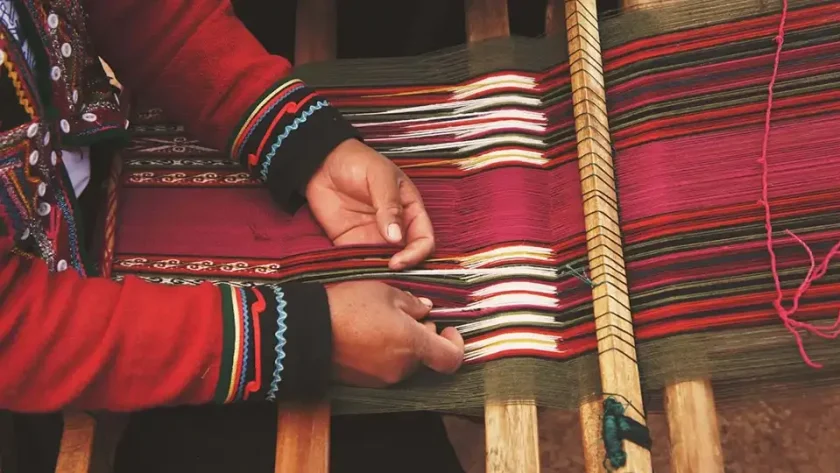
In the heart of Lalitpur, Nepal, artisans, traditions, and culture come together in a remarkable way. Jawalakhel, renowned for its rich artistic heritage, produces some of the world’s finest authentic Tibetan rugs. Skilled weavers create these hand-woven carpets not only as decorative pieces but also as expressions of history, migration, culture, and craftsmanship passed down through generations.
For decades, Tibetan rug weaving in Jawalakhel has supported thousands of artisans and preserved a centuries-old tradition. Local craftsmen weave each rug by hand, transforming wool into a unique work of art. They continue to use techniques that generations of weavers have practiced and refined for hundreds of years.
What Makes Tibetan Rugs Special?
Many types of carpets are produced around the world. Tibetan rugs have unique features that set them apart.
1.Hand-Woven Excellence
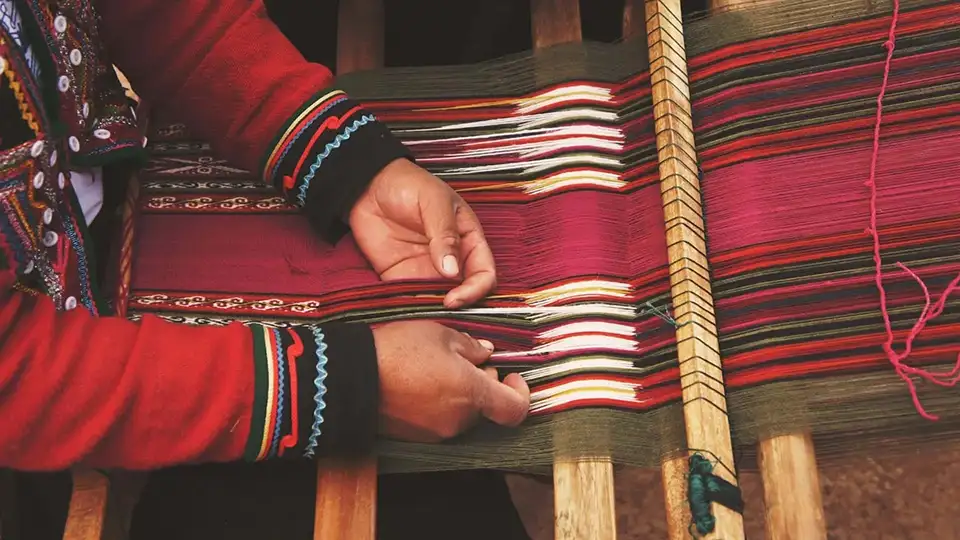
Skilled artisans weave every genuine Tibetan rug entirely by hand. They tie each knot individually instead of relying on machines. Through this careful process, they create rugs with exceptional quality and character. Their work demands patience, precision, and years of experience.
2.High-Quality Wool
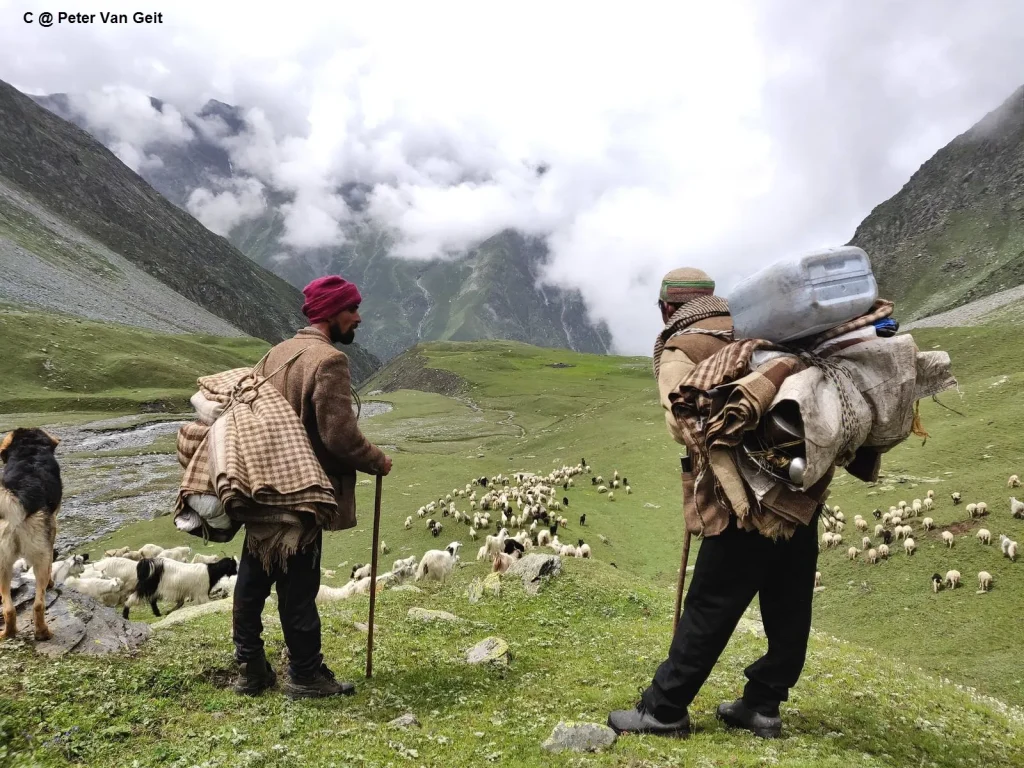
Traditional Tibetan rugs are made using high-quality wool, often sourced from Himalayan sheep. The wool is known for its strength, softness, and ability to retain vibrant colors.
3.Distinctive Tibetan Knot
One of the most unique aspects of Tibetan carpet weaving is the Tibetan knot. This special knotting technique creates a dense and durable carpet structure while allowing intricate patterns to emerge clearly.
4.Cultural Designs
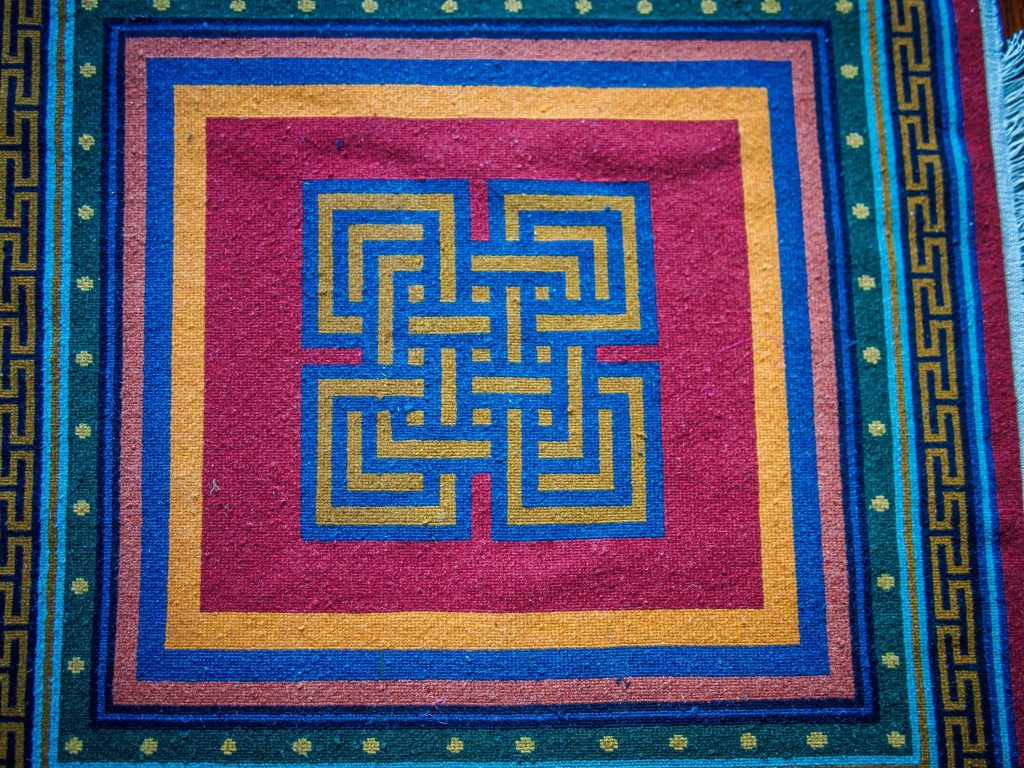
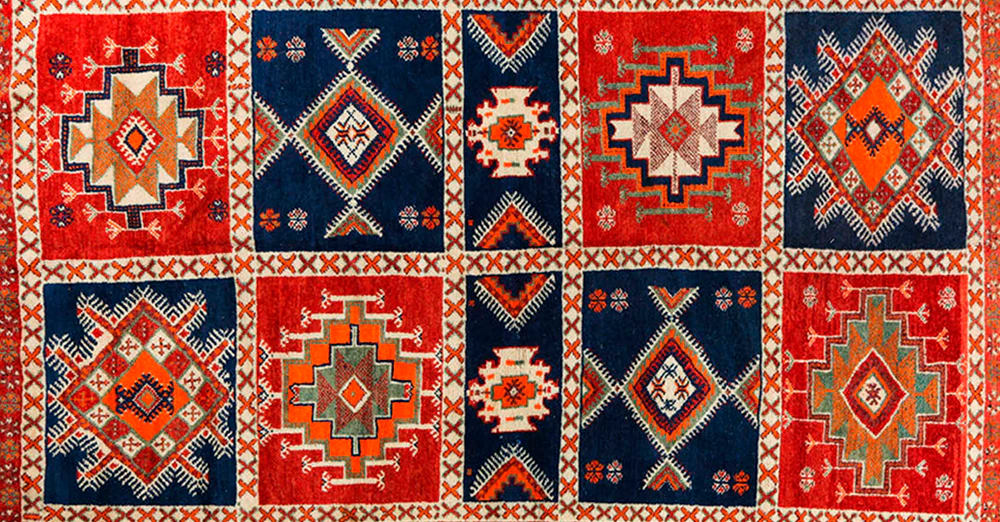
Authentic Tibetan rugs often feature symbols inspired by Tibetan Buddhism, Himalayan nature, and traditional geometric patterns. Common motifs include dragons, snow lions, lotus flowers, clouds, and endless knots.
Several key factors helped establish Jawalakhel as a leading center for Tibetan rug weaving.
1. Skilled Workforce
First, generations of artisans developed and passed down exceptional weaving skills. As a result, their expertise created a strong foundation for the industry’s growth.
2. Cultural Heritage
Next, Tibetan communities settled in the area and preserved their traditional weaving techniques. In addition, they taught these valuable skills to younger generations, ensuring the craft’s survival.
3. International Demand
Meanwhile, global buyers increasingly sought handmade Tibetan carpets. Consequently, this growing demand encouraged artisans and workshops to expand production and develop innovative designs.
4. Access to Markets
Furthermore, Jawalakhel’s proximity to Kathmandu connected weavers with exporters, buyers, and tourists. Therefore, local businesses gained easier access to both national and international markets.
Ultimately, the combination of skilled artisans, strong cultural traditions, rising global demand, and market access transformed Jawalakhel into one of Nepal’s most important carpet-weaving regions.
