
Wellness, Recreation, and Care for Senior Citizens in Nepal
Senior Citizen in Nepal – Brief Introduction
In Nepal, a person aged 60 years and above is legally recognized as a senior citizen under the Senior Citizens Act, 2063 (2006).
Not all elderlies share the same level of physical ability, independence, or need for care, therefore the category of senior citizen differs. To better understand their needs, senior citizens in Nepal are further classified by age into three different categories:
Age Group Classification
60-69 Years Senior Citizen
70-79 Years Elderly Senior
80+ Years Very Senior / Advanced Elderly
Healthcare, nutrition, and overall living conditions have improvement and as a result the The average life expectancy of a Nepali citizen is currently around 70–72 years. As more Nepalis live longer, the question of how they spend those additional years — and who supports them — has become one of the most pressing social issues of our time.
The Growing Need for Elderly Care in Nepal
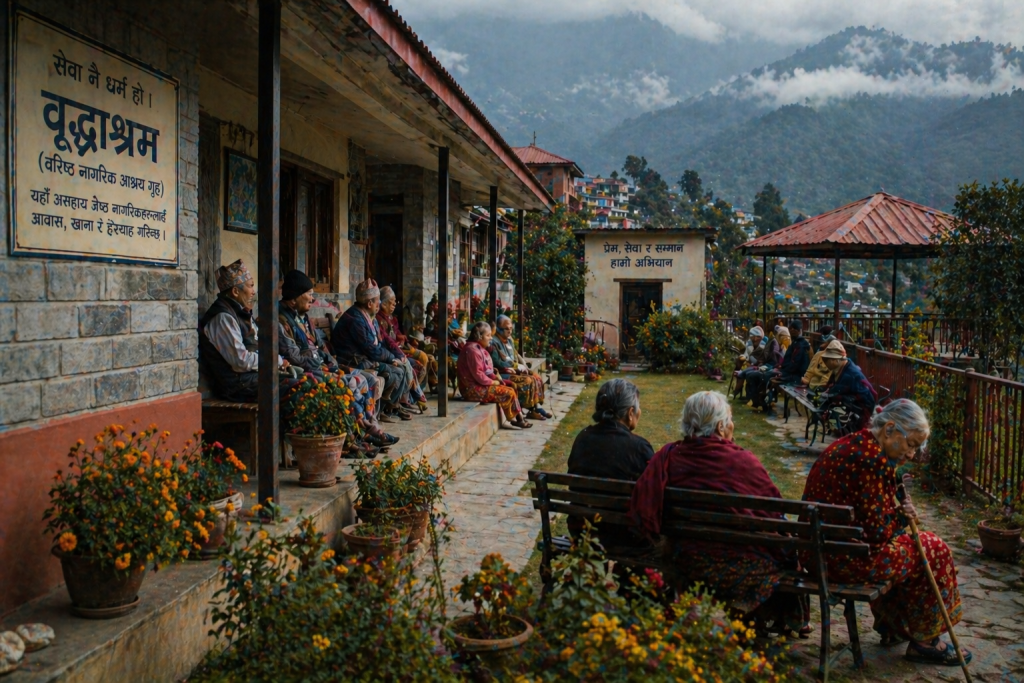
The need for elderly care centres in rising because of the socio- economic changes that has happened in the recent years.
The Respected Member of the Family
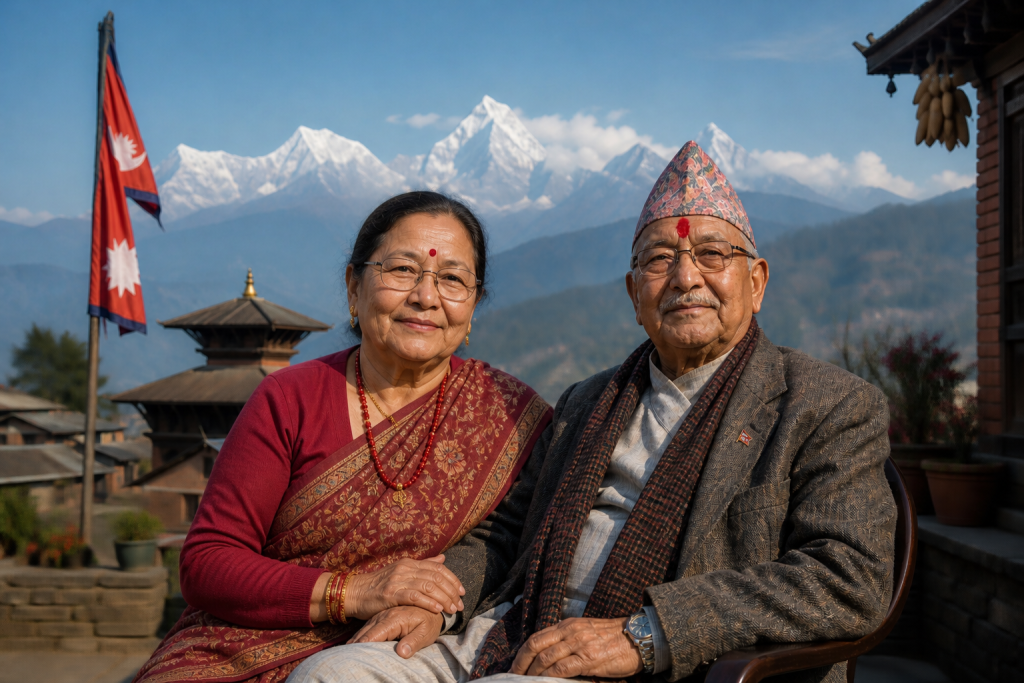
Traditionally, Nepali society operated on a joint family model in which children — particularly sons — were expected to care for aging parents within the home. Elders were respected as the heart of the household, their wisdom valued and their presence honoured. This arrangement provided not only physical care but also emotional security and a deep sense of belonging. However, this model has been rapidly changing.
The rising need for senior care homes
In recent years the need for elderly care homes has been rapidly increasing
Some major reasons include:
1. High rate of youth emigration:
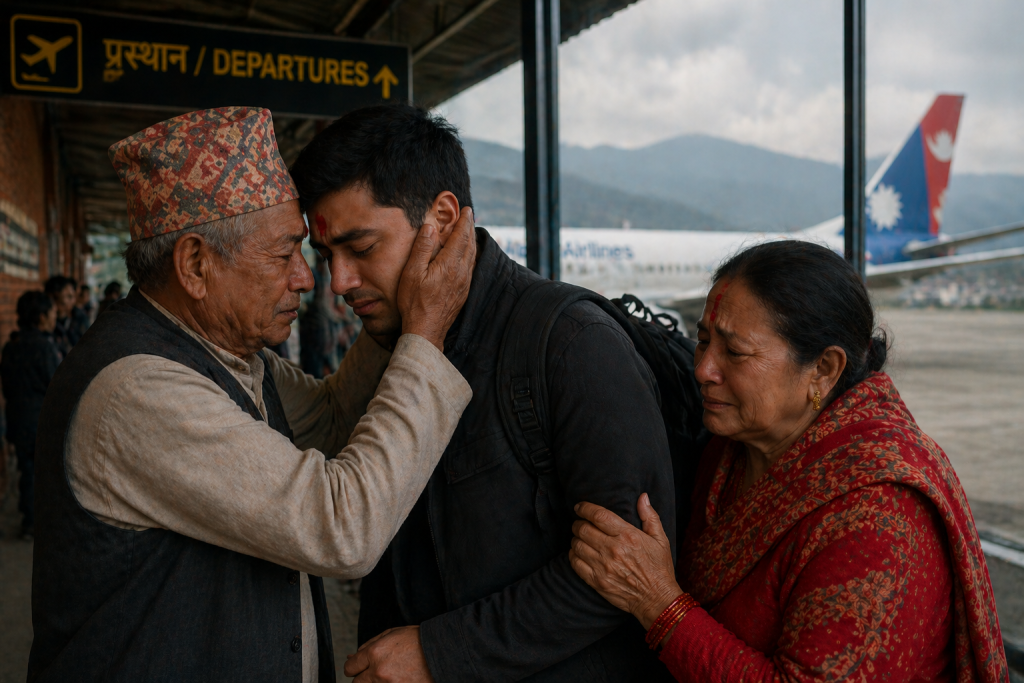
Younger generations are increasingly migrating abroad in search of better education and economic opportunities, elderly parents in both rural and urban areas are being left behind — often alone.
A 2016 survey found that 47% of Nepalese households had at least one member who had migrated in the previous ten years, and 68% of men who migrated did so for work outside the country. Two separate Nepalese studies confirmed that this surge in migration has directly caused elderly parents to bear the physical, social, emotional, and financial burdens of the family on their own — without adequate support.
2. Breakdown of the traditional joint family system
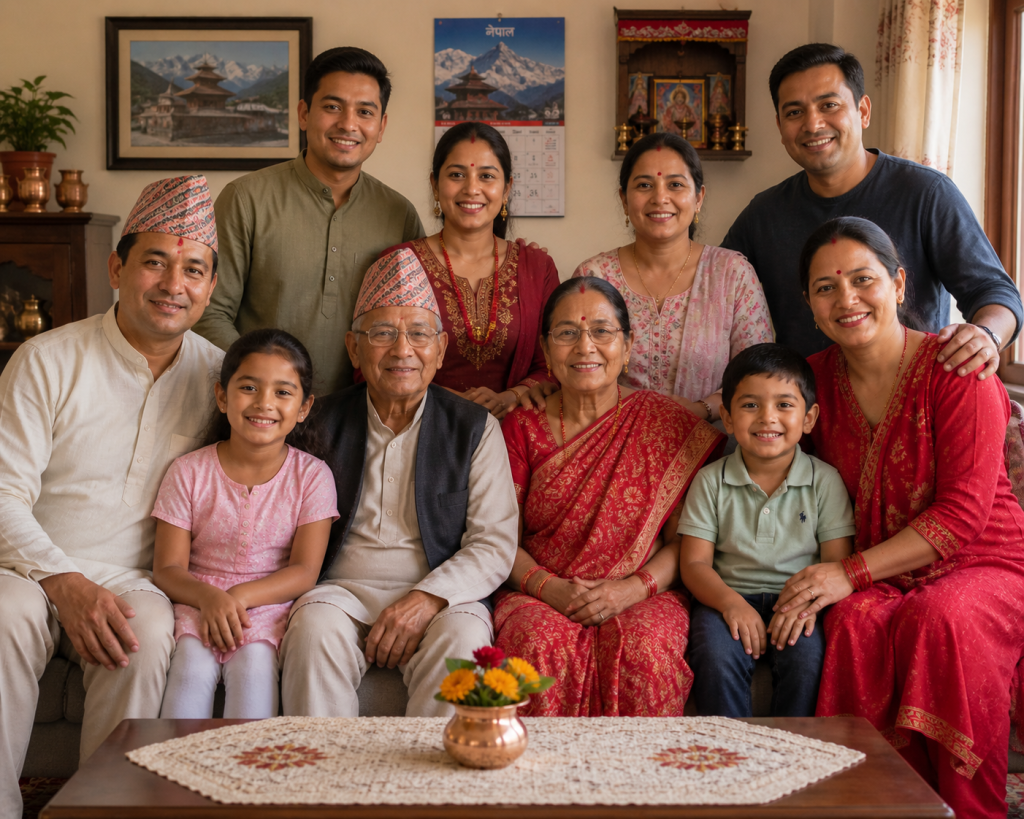
The shift toward nuclear families and individualism has compounded the problem further. Even in households where children remain in Nepal, the demands of urban working life often leave elderly parents at home without meaningful companionship or daily care.
3. Work Commitments

The growing need of the family members to work has significantly increased due to the increasing demand in lifestyle, in many households, both younger adults are engaged in full-time jobs or demanding careers, often leaving early and returning late, which limits meaningful interaction with older family members.
As a result, the elderly may experience feelings of neglect, loneliness, and emotional isolation, despite living under the same roof. Additionally, the fast-paced lifestyle and work-related stress can make it difficult for younger members to attend to the physical, medical, and emotional needs of the elderly.
This shift not only weakens intergenerational bonding but also highlights the increasing importance of external support systems, such as caregivers or senior care facilities, to ensure the well-being and dignity of older individual.
4. Chronic Illness
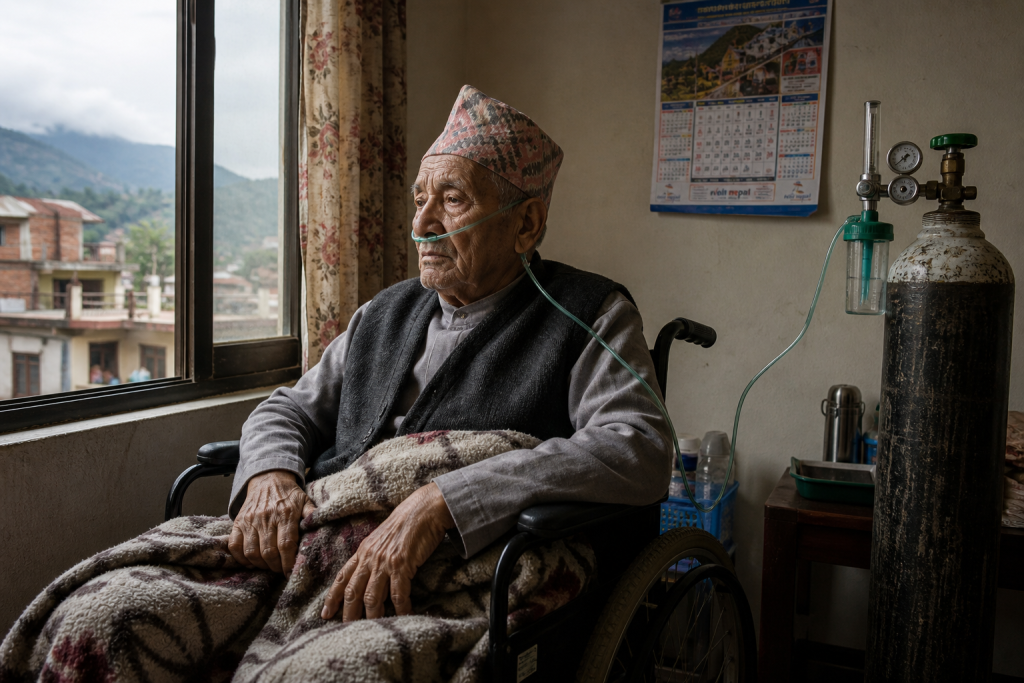
The growing number of elderly persons living with chronic illnesses that require specialized attention. With a rising elderly population, there is increasing pressure on families to provide long-term, affordable, and accessible care.
Lack of enough family members to care for and affordability is a big question due to the rising cost of living
5. Intolerance and Cruelty
In today’s fast-paced and increasingly individualistic society, intolerance among the younger generation is rising This has led to intolerance, dismissive behaviour toward seniors is on the rise. Differences in values, lifestyles, and communication styles often create a gap that reduces empathy and mutual understanding. As patience declines and stress levels rise, some younger individuals may view the needs and habits of the elderly as burdensome, resulting in neglect or even cruelty, whether emotional or verbal. This troubling trend weakens family bonds and undermines the respect and care that older generations deserve, highlighting the urgent need to foster compassion, awareness, and stronger intergenerational connections.
All these reasons contribute to the are increasing need for institution and care homes for the vulnerable, isolated seniors
The Mental Health Crisis Among the Elderly
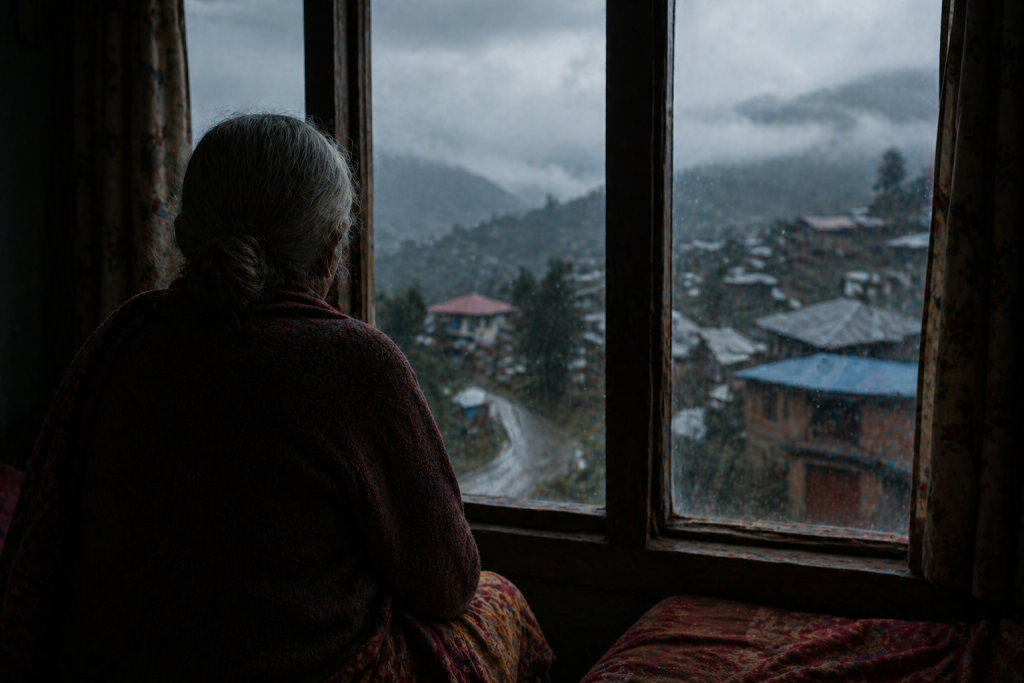
In the past, mental health issues such as depression were often overlooked or misunderstood. Emotional struggles were rarely discussed openly, and many people lived without proper support or diagnosis. However, with growing awareness and better understanding of mental health today, these issues are now more openly recognized and addressed. As a result, it has become evident that many elderly individuals experience depression, often due to factors like loneliness, declining health, or reduced social interaction. This increased awareness highlights the importance of providing emotional support and proper care to ensure the well-being of seniors.
The consequences of this social shift are not only physical but deeply psychological. The depression rate among senior citizens in Nepal is rising sharply, driven by a combination of factors including chronic illness, loneliness, the absence of family, and poor economic circumstances.
Studies have recorded that contributing factors to depression in the elderly include conditions such as COPD (Chronic Obstructive Pulmonary Disease) and hypertension, social isolation, lack of family support, and financial insecurity.
A striking study conducted in Devghat found that 82.6% of residents in old age homes experienced depression — not primarily because of poor health, but because of the emotional pain of feeling abandoned, forgotten, and purposeless. This data reveals a paiful truth: for many elderly Nepalis, the final chapter of life is defined not by peace and reflection, but by quiet suffering. Addressing this crisis requires more than medical care alone — it demands a comprehensive approach to the emotional, social, and recreational needs of the elderly.
Understanding the Multiple Dimensions of Elderly Need
Old age is not a single, uniform experience. To understand the needs to an elderly one must address the interconnected dimensions and truly give them the rest of their lives love, care, support and above all dignity.
Physical need : Systematic health monitoring, nutritious and age-appropriate food, safe and comfortable living environment, physiotherapy for mobility and pain management, and reliable access to specialist medical care for their chronic conditions is the primary necessity.
Emotional need : The need companionship is genuine and the feeling of being valued is important. Connection to the cultural and spiritual traditions that have defined their lives, re assurance that they have not been forgotten by the people and communities they once nurtured can help one immensely.
Social need: Structured spaces interact, engage with peers, participate in meaningful activities, and maintain their sense of identity and purpose beyond the roles they once played as parents, workers, and community members.
When these are addressed together the old age becomes a beautiful phase and they thrive in this.