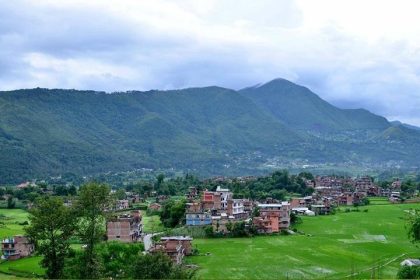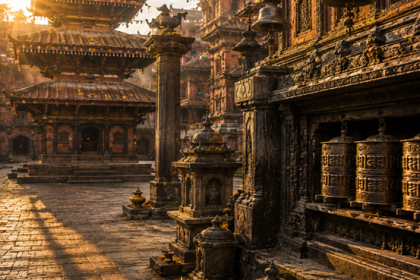
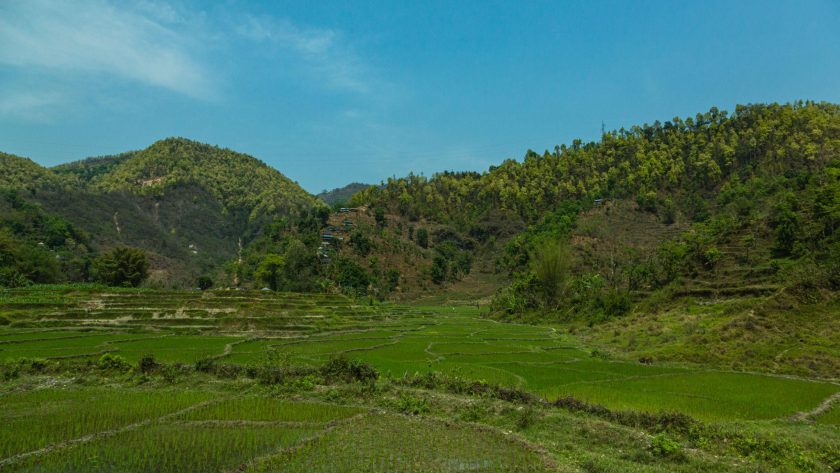
Just outside the old city of Patan, there is a quiet and beautiful part of Lalitpur that many people do not know about. It is full of green hills, small villages, farms, forests, and friendly local people. While most visitors to the Kathmandu Valley spend their time exploring temples and busy heritage sites, these countryside areas offer a calm and refreshing experience close to nature.
Ecotourism in Lalitpur gives travelers a chance to enjoy nature while also learning about local culture and traditions. Visitors can walk through quiet forests, stay in traditional village homestays, eat fresh organic food, and experience everyday life in local communities. It is a perfect escape from the noise and crowds of the city.
Ecotourism is not only about travel and adventure. It also helps protect the environment, preserve local culture, and support village communities. Many villages in southern Lalitpur have started community-based tourism programs that encourage responsible travel and help local people earn income while protecting their natural and cultural heritage.
From the foggy green hills of Dalchoki to the historic Newari villages of Bungamati and Khokana, the rural areas of Lalitpur offer some of the best eco-friendly travel experiences in Nepal. These places are ideal for hiking, photography, birdwatching, cultural exploration, and relaxing in peaceful natural surroundings. Whether you want exciting outdoor activities, meaningful cultural experiences, or a peaceful escape surrounded by nature, the rural villages of Lalitpur offer unique memories and a chance to experience the beauty of local life and natural surroundings. Some of the Top 10 eco-tourist experiences in rural outskirts are mentioned below :
1. Hiking Through the Green Hills of Dalchoki and Konjyosom
One of the most beautiful ecotourism experiences near Kathmandu Valley is exploring the forested hills of Dalchoki and the Konjyosom region. Located in the southern part of Lalitpur District, this area is filled with dense forests, mountain trails, waterfalls, and traditional villages surrounded by terraced farmland.
The cool climate and fresh mountain air make Dalchoki an ideal escape from city life. Visitors can hike through pine forests while enjoying panoramic views of the Himalayas on clear days. During spring and monsoon seasons, the hills become incredibly green and colorful with blooming wildflowers and flowing streams.
Konjyosom is also known for its biodiversity. Birdwatchers often visit the area to observe different Himalayan bird species, while nature photographers capture stunning landscapes at sunrise and sunset. The region remains relatively untouched by mass tourism, which helps preserve its natural beauty and peaceful atmosphere. Local communities in the area continue to practice traditional farming and sustainable living. Travelers can interact with villagers, learn about rural lifestyles, and experience the warmth of local hospitality.
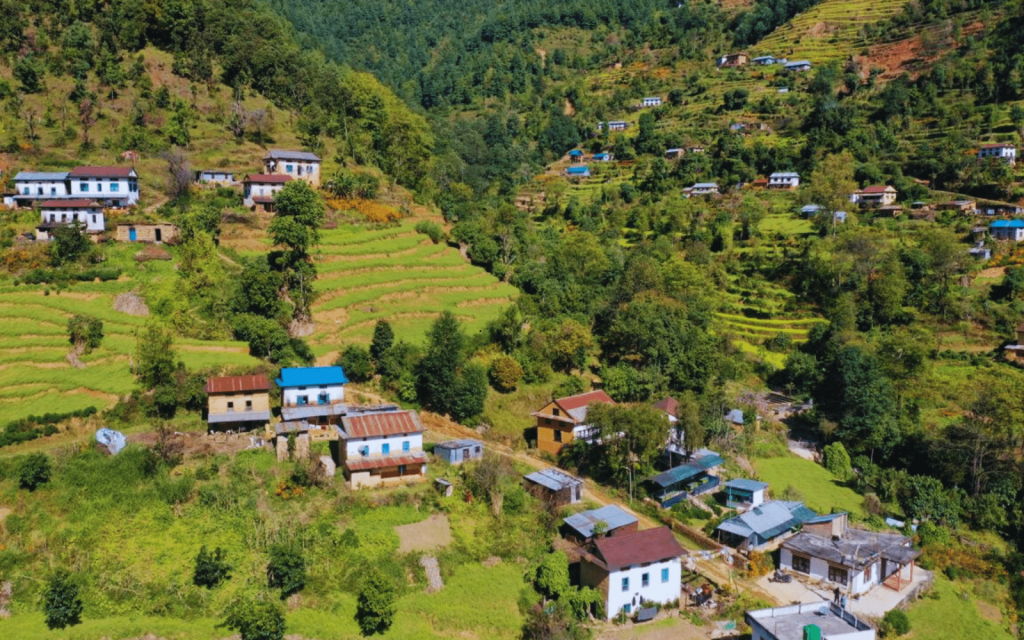
Konjyosom Village
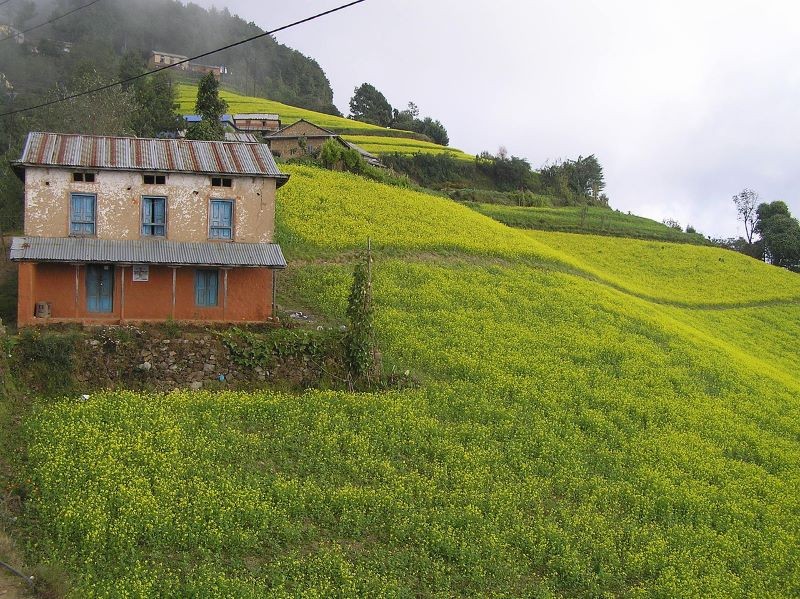
Village of Dalchoki
2. Experiencing Organic Farm Life in Rural Lalitpur
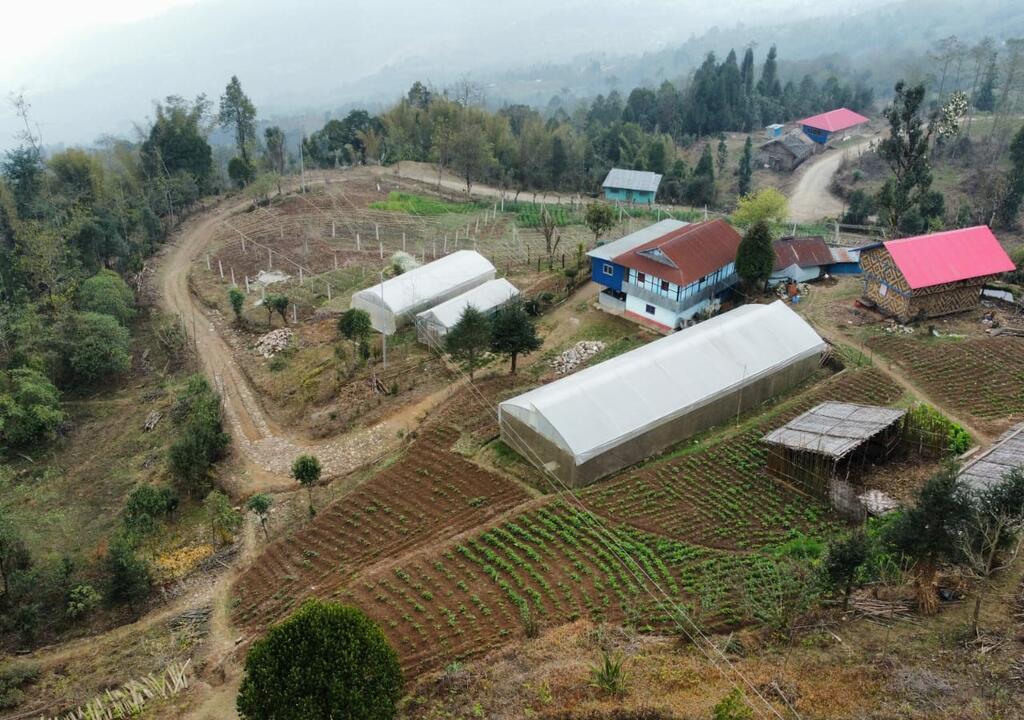
Organic farming has become an important part of ecotourism in Lalitpur. Several rural communities around Godavari, Lele, and Chapagaun have embraced sustainable agricultural practices that attract both domestic and international visitors. Travelers visiting these farms can experience a simple and healthy lifestyle connected closely with nature. Many eco-farms offer farm tours where visitors can learn how organic vegetables are grown without harmful chemicals. Guests may also participate in planting, harvesting, composting, or feeding farm animals. One of the highlights of farm tourism is enjoying fresh farm-to-table meals prepared using locally grown ingredients.
Traditional Nepali and Newari dishes made from organic vegetables, homemade yogurt, millet, and seasonal fruits provide a truly authentic rural experience.These eco-farms also educate visitors about environmental conservation, soil health, and sustainable food production. For travelers seeking relaxation and meaningful travel experiences, spending time on an organic farm can be both refreshing and educational.
3. Staying in Traditional Newari Homestays
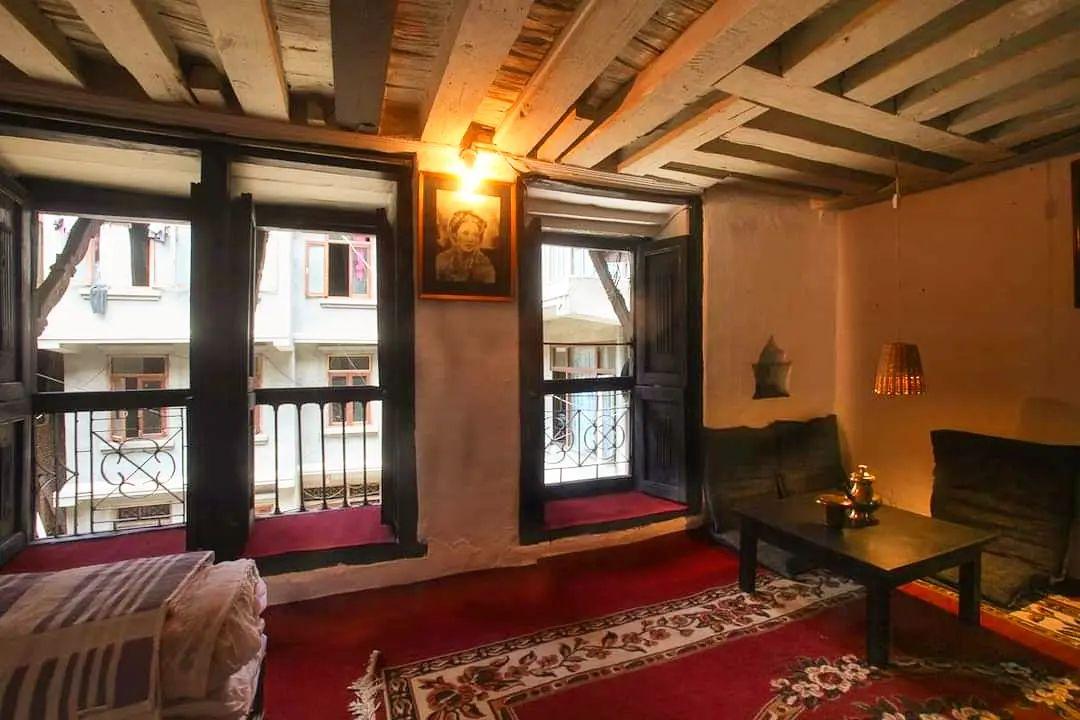
Homestay tourism has become one of the most successful forms of community-based ecotourism in Nepal, and Lalitpur’s rural villages are perfect places to experience it. Traditional Newari homestays allow travelers to stay with local families in centuries-old houses built with brick, wood, and clay. These homes reflect the rich architectural heritage of the Newar community, known for its craftsmanship and cultural traditions.
Guests staying in these homestays can enjoy homemade local meals, participate in daily village activities, and learn about traditional customs. Many hosts teach visitors how to cook authentic Newari dishes or explain the history of local festivals and rituals. Unlike hotels, homestays provide direct economic support to local families while encouraging cultural preservation. Travelers also gain deeper cultural understanding through personal interactions with local people.
Evenings in these villages are peaceful and relaxing. Instead of traffic noise, visitors hear birds singing, temple bells ringing, and villagers chatting in courtyards. The experience offers a refreshing contrast to urban life.
4.Discovering the Eco Village of Lukeko Gaun
Lukeko Gaun, which means “Hidden Village,” is a unique ecotourism destination located in the countryside of Lalitpur. This peaceful eco-retreat combines sustainability, creativity, farming, wellness, and community living. Surrounded by green hills and forests, the village offers travelers opportunities to disconnect from busy modern life and reconnect with nature. Activities at Lukeko Gaun often include yoga sessions, meditation, organic farming, local cooking workshops, hiking, and cultural exchange programs.
The eco-village promotes environmentally friendly practices such as waste reduction, organic agriculture, and responsible tourism. Visitors are encouraged to participate actively rather than simply observe. Artists, writers, and photographers often visit Lukeko Gaun ,because of its peaceful atmosphere and inspiring landscapes. The village also provides opportunities to interact with local farmers and learn about rural Nepali traditions. The experience is especially rewarding for travelers interested in mindful and sustainable travel experiences.
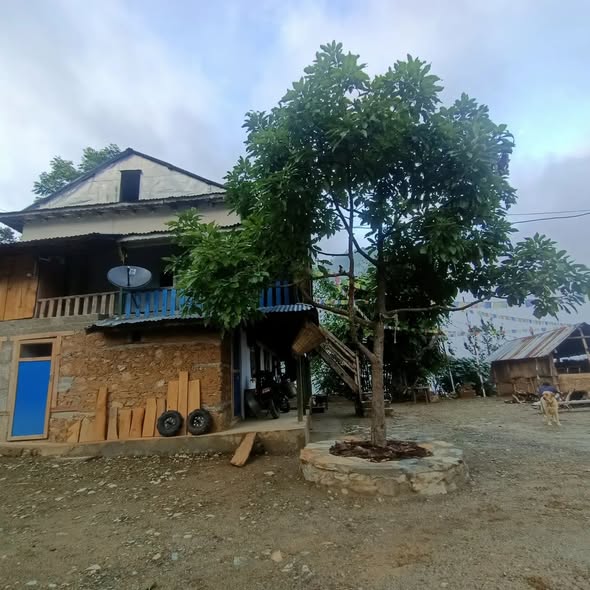
Lukeko Gaun
5. Exploring Community Forests and Nature Trails
Community-managed forests are among the greatest environmental success stories in Nepal, and Lalitpur’s rural outskirts contain several excellent examples. Areas around Lele, Godawari, and Dalchoki feature beautiful forest trails ideal for eco-hiking, nature walks, and birdwatching. These forests are managed by local communities who protect natural resources while using them sustainably.
Walking through these forests allows travelers to experience Nepal’s rich biodiversity. The trails pass through rhododendron forests, bamboo groves, waterfalls, and scenic viewpoints overlooking valleys and villages. Many rare bird species, butterflies, and medicinal plants can be found in these ecosystems. During spring, colorful flowers bloom across the hills, creating stunning landscapes for photographers and nature lovers.
Community forestry programs have helped reduce deforestation while improving local livelihoods. Ecotourism activities within these forests generate additional income for conservation efforts and village development.
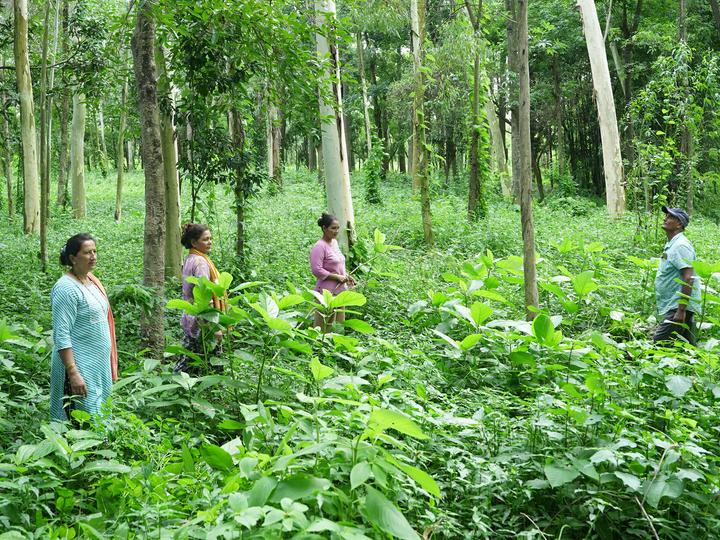
Community forestry
6.Visiting the Botanical Paradise of Godavari
Located at the foothills of Phulchowki Hill, Godavari is one of the most popular nature destinations in Lalitpur. The area is famous for its botanical gardens, forests, clean air, and peaceful environment. Nature lovers visit Godavari to explore walking trails filled with flowering plants, birds, and butterflies. The nearby forests are rich in biodiversity and support many native Himalayan plant species.
The botanical gardens serve as both a recreational area and an educational center for plant conservation. Students, researchers, and eco-travelers often visit to learn about Nepal’s unique flora. Godavari is especially beautiful during spring when flowers bloom throughout the region. Families often picnic in the gardens, while hikers continue toward the higher slopes of Phulchowki Hill. For ecotourists, Godavari offers a perfect combination of relaxation, nature education, and scenic beauty.
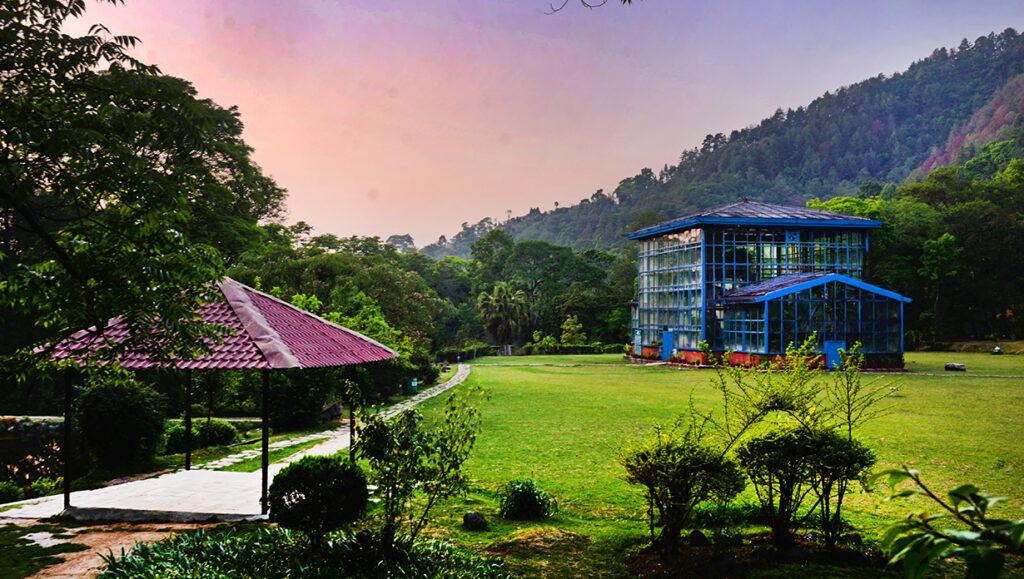
Godavari Botanical Garden
7.Cycling Through Rural Villages and Farmlands
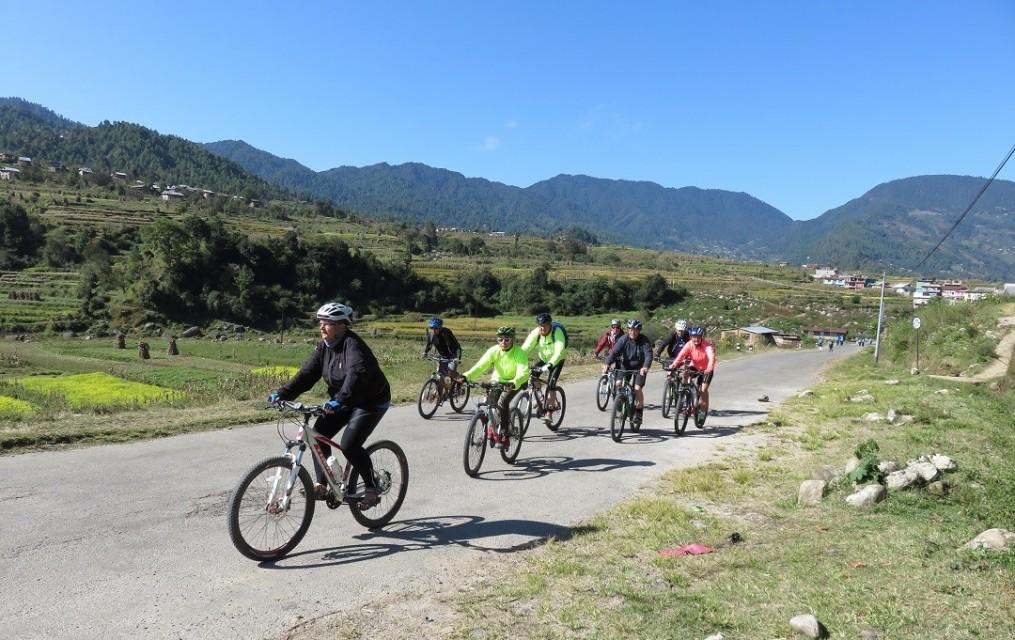
Cycling is becoming increasingly popular among eco-conscious travelers exploring the rural outskirts of Lalitpur. The countryside roads around Chapagaun, Bungamati, Lele, and Godavari provide excellent routes for cycling adventures. Unlike crowded city roads, these rural paths pass through peaceful villages, terraced rice fields, rivers, and forest areas. Cyclists can stop frequently to interact with local people, photograph landscapes, or enjoy traditional tea shops along the way.
Mountain biking enthusiasts particularly enjoy the trails leading toward southern Lalitpur hills, where challenging uphill climbs reward riders with spectacular panoramic views. Cycling is an environmentally friendly form of tourism that produces minimal pollution while encouraging slow and meaningful travel experiences. Travelers gain a deeper appreciation of rural life when moving at a slower pace through villages and landscapes. Many local tour operators now organize guided eco-cycling tours that support community tourism initiatives
8.Exploring the Heritage Villages of Bungamati and Khokana
The historic villages of Bungamati and Khokana are among the most culturally important rural destinations in Lalitpur. These ancient Newari settlements preserve traditional lifestyles, architecture, crafts, and farming practices that have existed for centuries. Walking through the narrow brick streets feels like stepping back in time. Visitors can observe local artisans carving wood, weaving textiles, and producing traditional mustard oil using ancient techniques. Bungamati is especially famous as the home of the deity Rato Machhindranath, one of the valley’s most important cultural figures. The village contains beautiful temples, courtyards, and traditional houses rich in artistic detail.
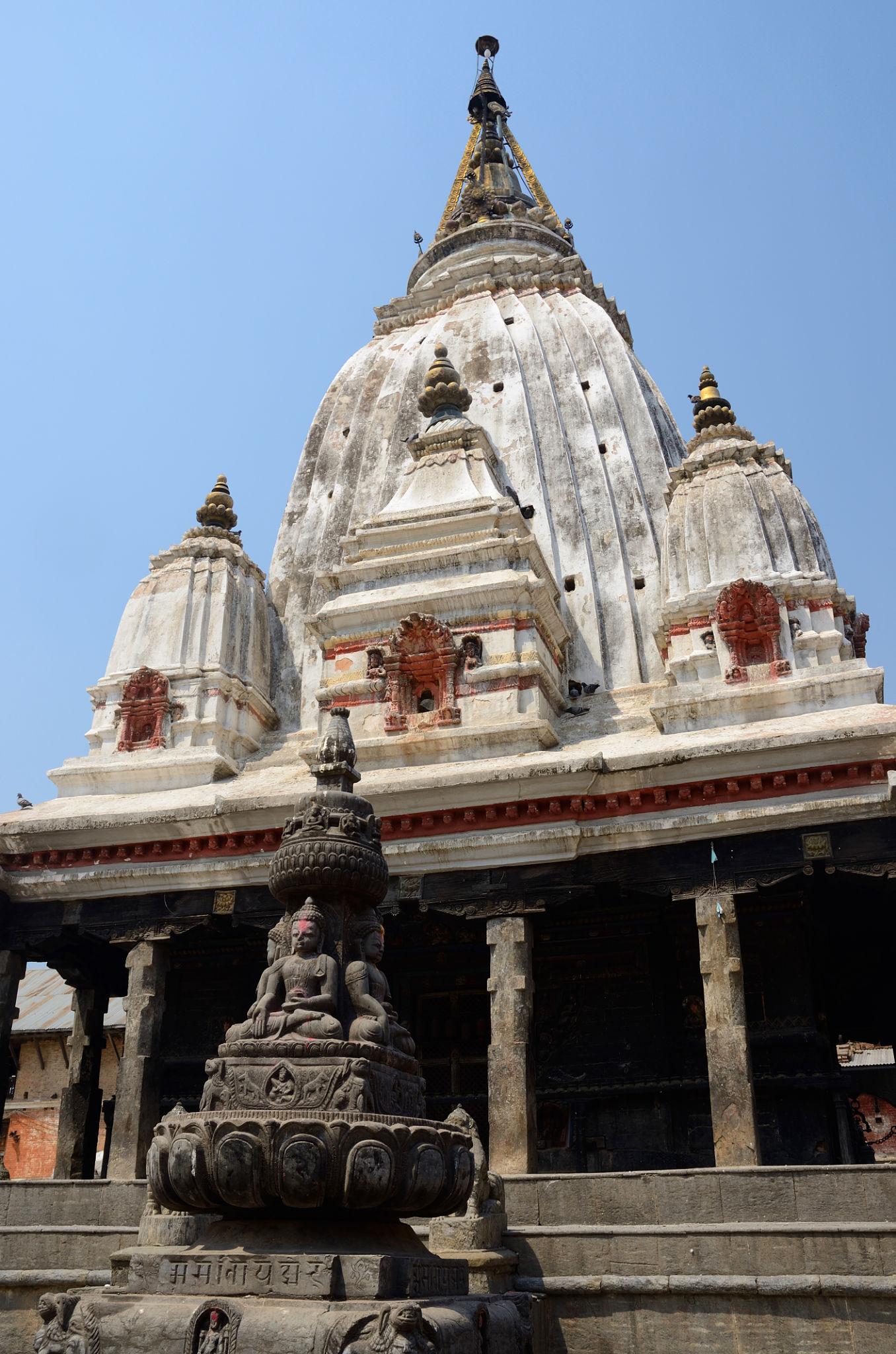
Shree Macchindranath Temple
Khokana, meanwhile, is known for its mustard fields and traditional oil production. The village has preserved many of its old customs despite rapid urbanization around Kathmandu Valley. Ecotourism in these villages focuses on cultural preservation and community participation. By visiting responsibly, travelers help support local businesses and heritage conservation.
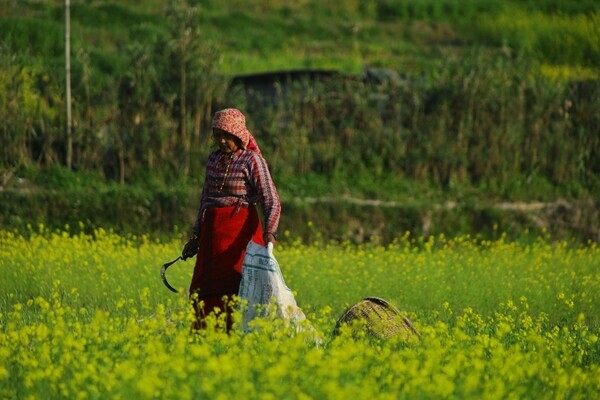
A woman picking up mustard
9.Enjoying Farm-to-Table Local Cuisine
Food plays a major role in ecotourism experiences across rural Lalitpur. The region offers delicious traditional cuisine prepared using fresh local ingredients grown on nearby farms. Visitors can enjoy authentic Newari dishes such as yomari, bara, chatamari, choila, and homemade pickles alongside organic vegetables and locally produced dairy products.
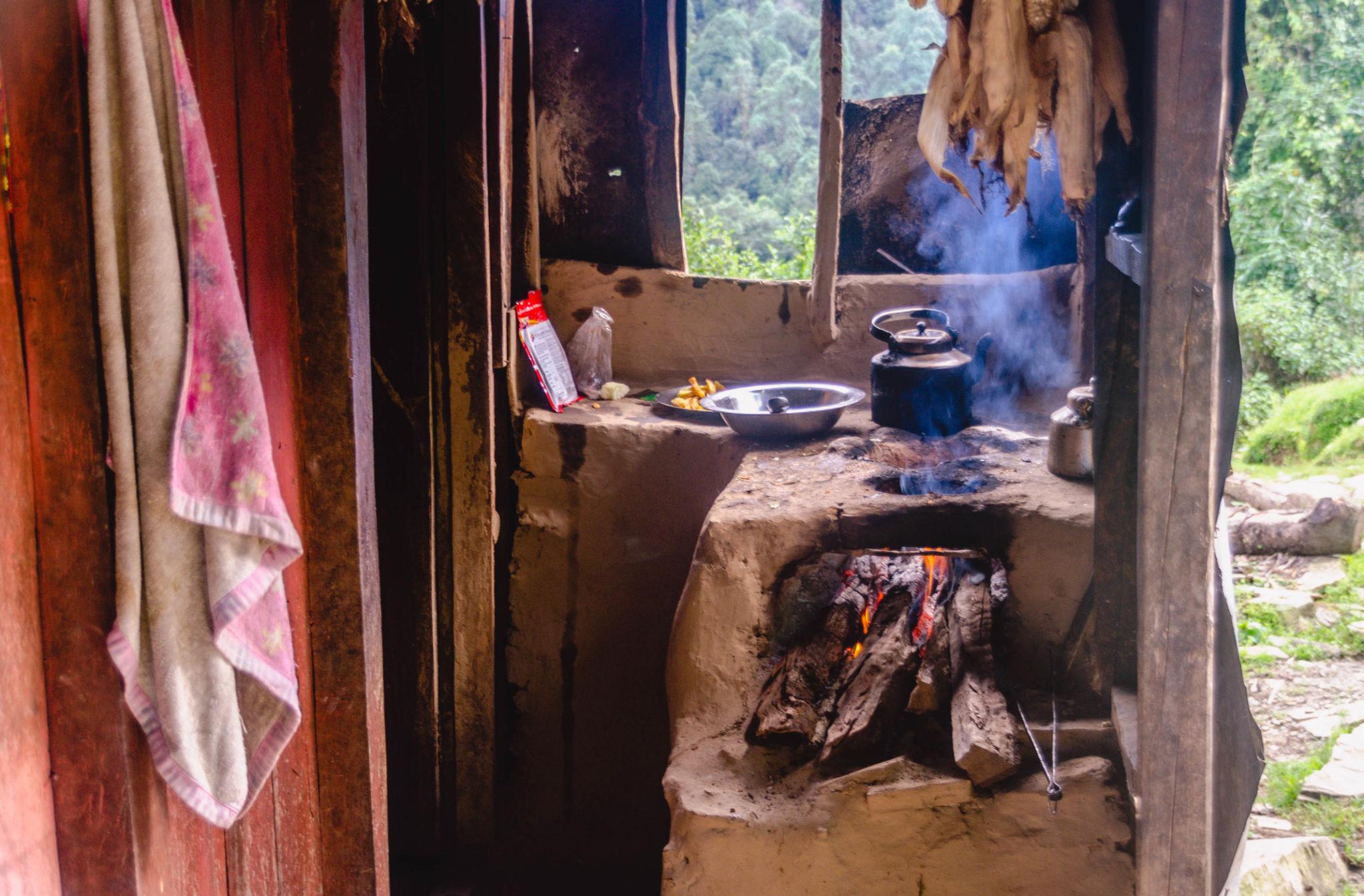
Many eco-lodges and homestays serve meals made entirely from seasonal produce harvested directly from surrounding farms. This farm-to-table approach supports local farmers while reducing environmental impact from food transportation. Cooking workshops are also becoming popular among tourists. Visitors learn traditional cooking methods using clay stoves, local spices, and ancient recipes passed down through generations. These culinary experiences help travelers connect more deeply with local culture and agricultural traditions
10.Learning Traditional Wood Carving
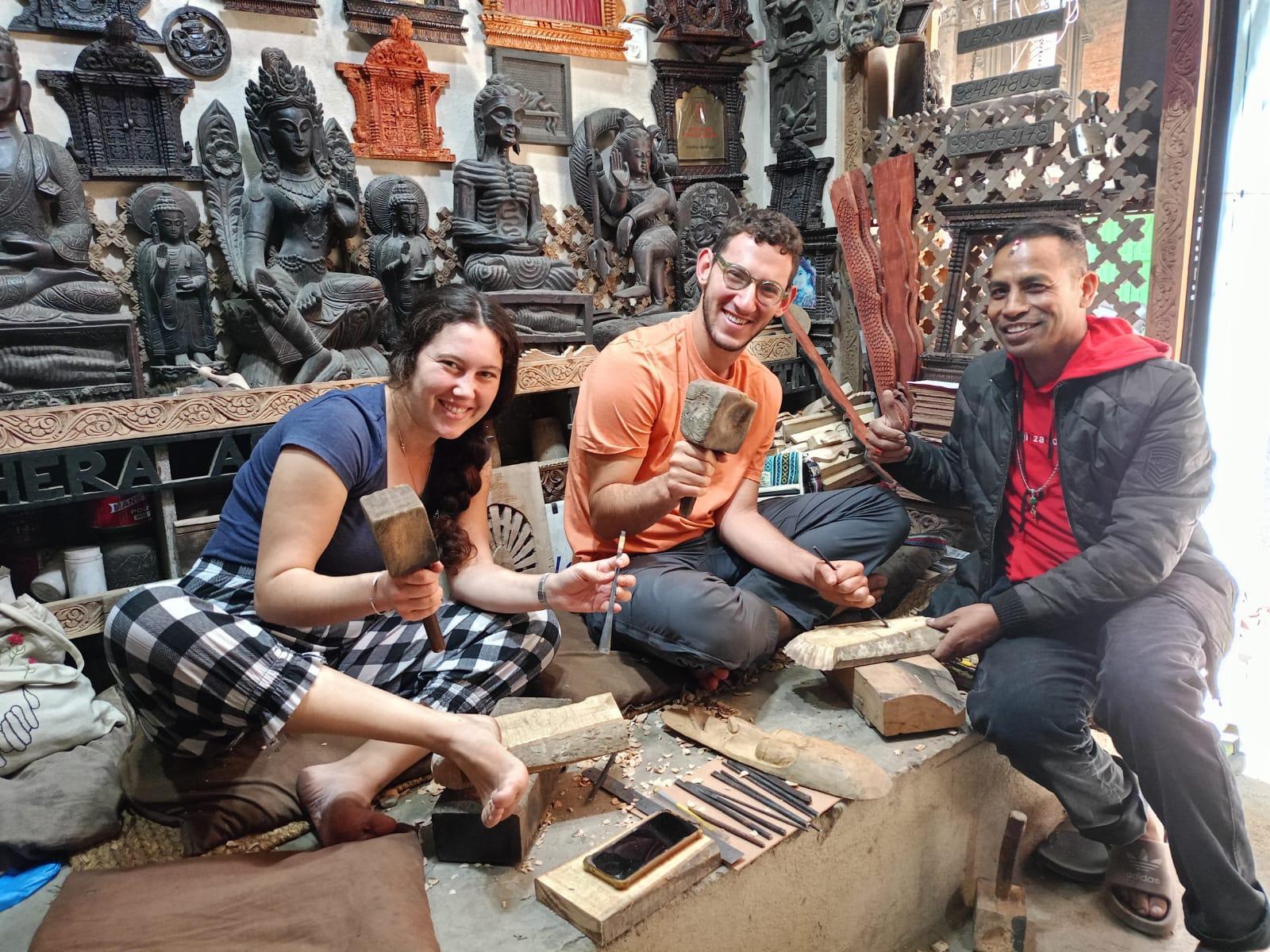
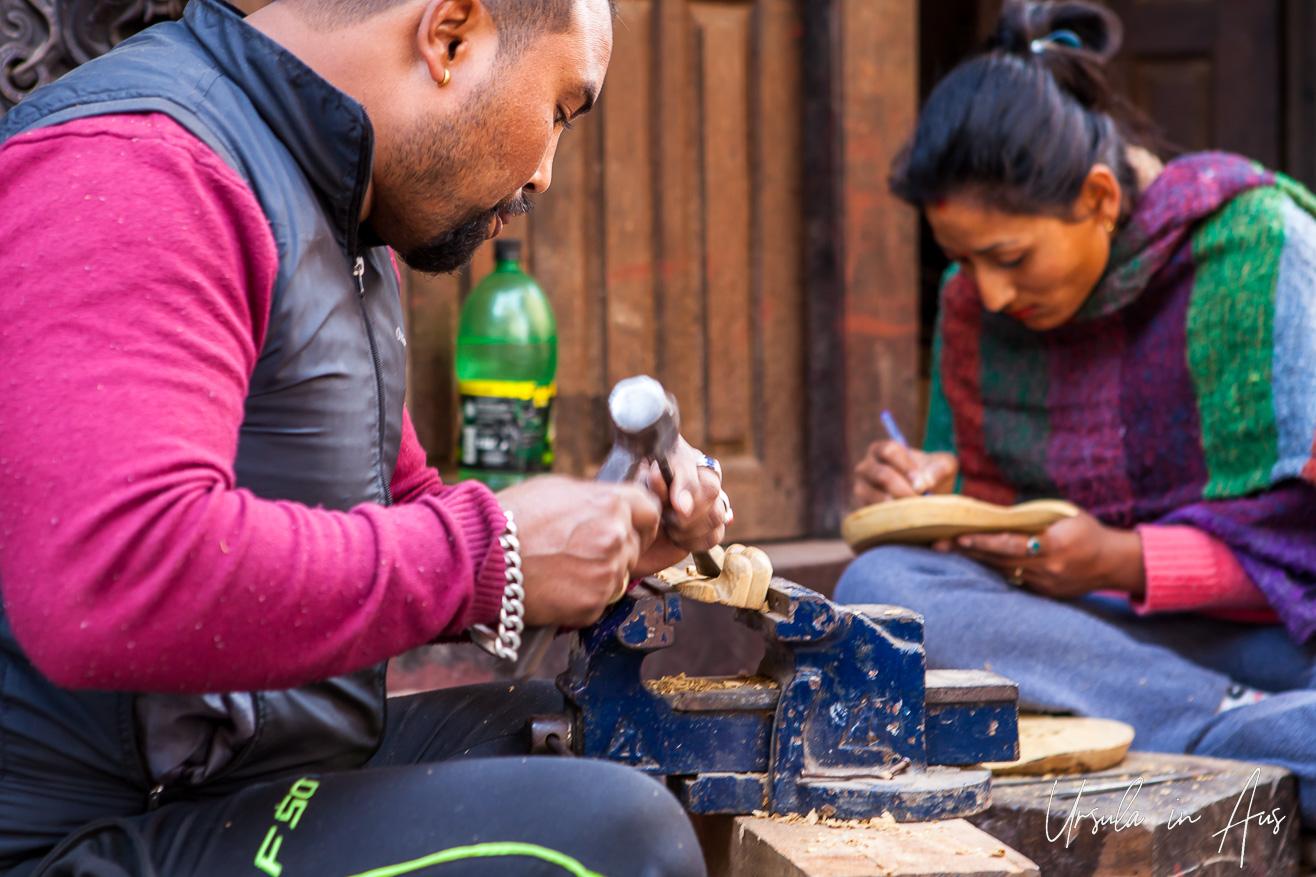
Bungamati is famous for traditional wood carving skills passed down through generations. Wood carving here is not simply a profession, it is a cultural identity passed down through generations. It has a long artistic history connected to the Newar civilization of Kathmandu Valley. For centuries, local artisans have created decorative wooden windows, temple struts, doors, deity statues, and sacred carvings used in palaces, monasteries, and temples throughout Nepal.
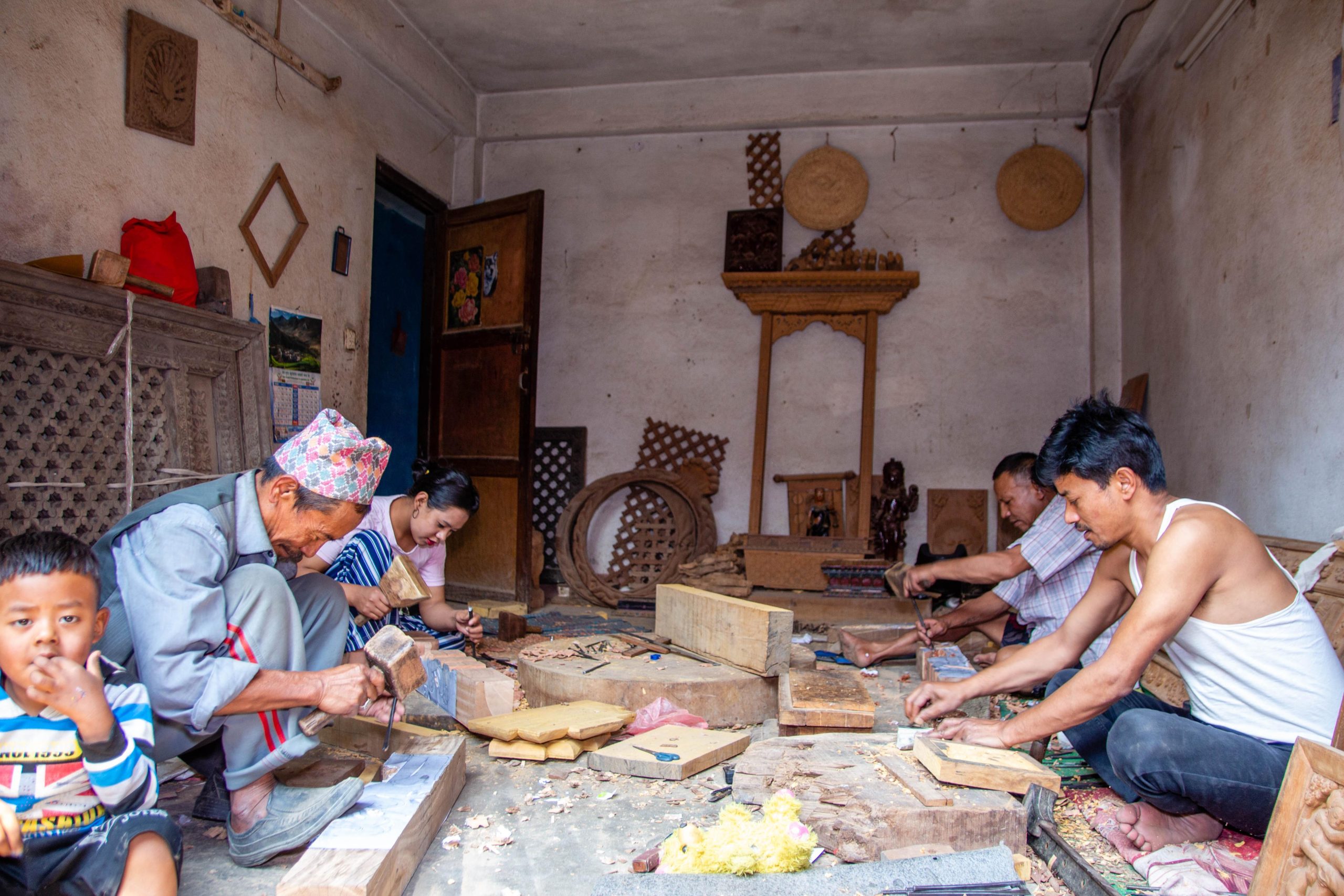
Many of the famous carved windows seen in old Newari architecture were produced by craftsmen from Bungamati. Even today, Bungamati remains known as a “living museum” of Newari craftsmanship where traditional carving methods continue to survive despite modernization. Traditional wood carving in Bungamati relies heavily on handmade tools rather than modern machines.
Artisans use different sizes of chisels, hammers, knives, and shaping tools to create fine details. Many craftsmen even make or customize their own carving tools. Visitors can observe artisans creating windows, statues, and decorative items by hand. Some workshops also allow tourists to try simple carving techniques themselves. Supporting local crafts helps preserve important cultural traditions while providing income to artisans.
Conclusion
The rural outskirts of Lalitpur reveal a side of Nepal that many travelers never fully experience. Beyond the famous temples and busy streets of Kathmandu Valley lies a peaceful world of forests, organic farms, heritage villages, mountain trails, and welcoming communities.
Ecotourism in this region provides much more than sightseeing. It allows visitors to connect with nature, support local livelihoods, preserve cultural traditions, and travel responsibly. Whether hiking through Dalchoki’s green hills, cycling across village roads, staying in a Newari homestay, or enjoying organic local cuisine, every experience contributes to sustainable tourism development. As Nepal continues to grow as a travel destination, places like rural Lalitpur demonstrate how tourism can benefit both visitors and local communities while protecting the environment for future generations.