

Some of the most exotic birds we can find at the Central Zoo. There are birds ranging from the world’s fastest bird that runs on land to the majestic peacock. I am mentioning the exotic birds in the Central Zoo are included in this article.
Scaly-Breasted Munia
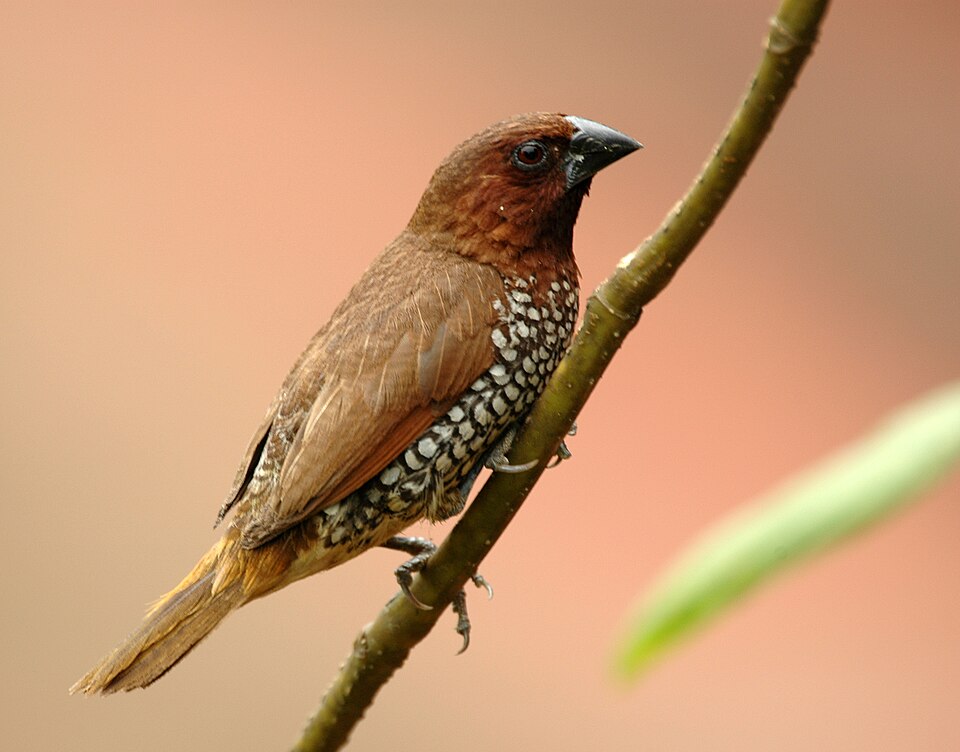
Joannum punctulata, popularly known as the Scaly-Breasted Munia, is distributed in Nepal, India, Sri Lanka, Indonesia, and Philippines. The bird occupies different kinds of habitats but remains near sources of water and grasslands. This bird eats grass, seeds, and insects. On average, it bears four to six eggs and takes ten to sixteen days to hatch the eggs. The Scaly-Breasted Munia lives up to six to eight years and belongs to the category of Least Concerned birds. It is a small songbird with a large bill, making it ideal for climbing and feeding on grass.
African Ostrich
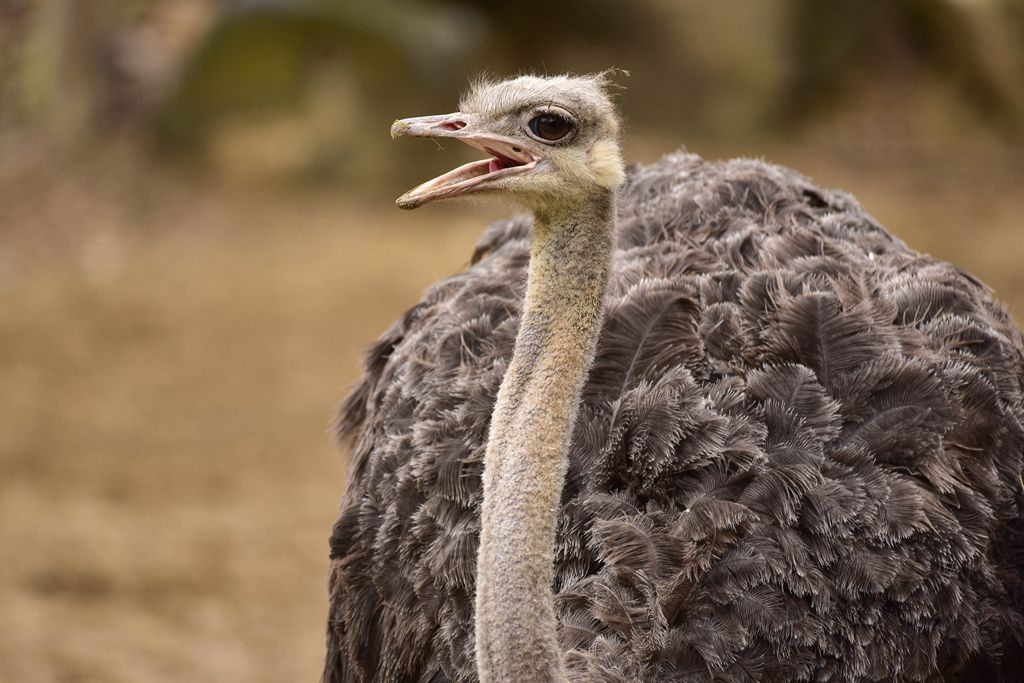
African Ostrich is the scientific name of Struthio camelus, which occurs in the eastern and western parts of South Africa. It inhabits plains and deserts. This species of bird is an herbivorous bird that eats plant materials as well as insects and reptiles. It is capable of eating sand and pebbles for proper digestion. A female ostrich usually produces about ten eggs in one breeding season, and the male ostrich takes responsibility for guarding and incubating the eggs for six weeks. An ostrich lives for about seventy years and can run up to a speed of seventy kilometers per hour. Its eyes are larger than its brain. It is also a a beloved birds in the central zoo.
Emu
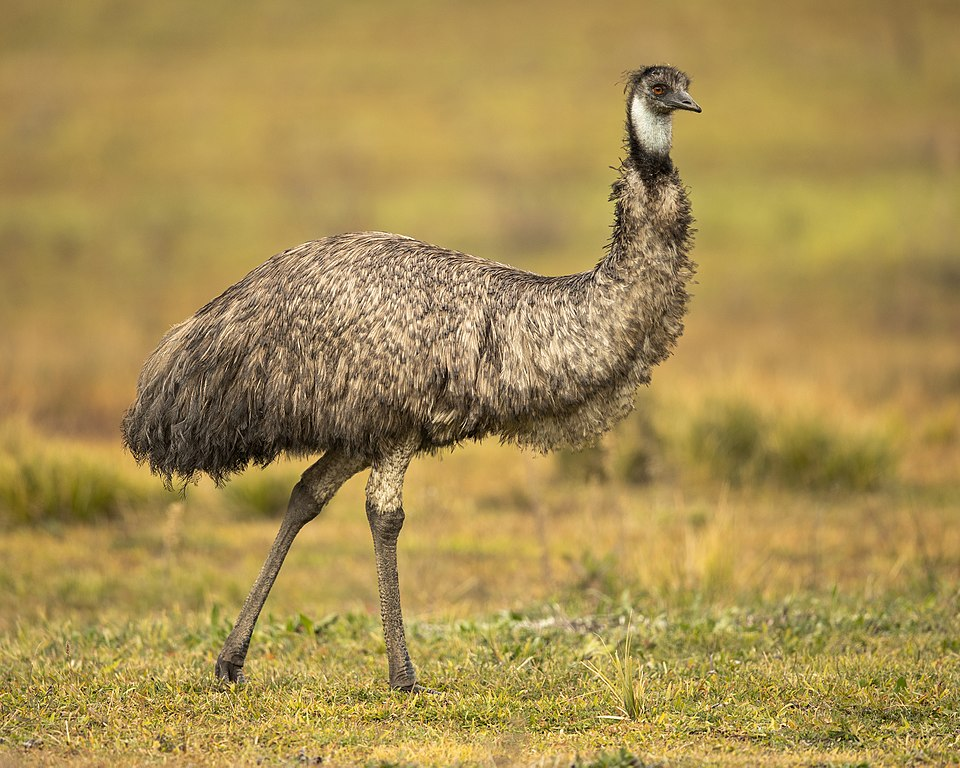
The Emu (Dromaius novaehollandiae) is widespread across much of Australia except for the island of Tasmania. This bird inhabits open forests and grasslands. Its body weight ranges from thirty-six to forty kilograms, and its diet consists of vegetation, fruits, beetles, lizards, and grasshoppers. Incubation lasts for fifty-six days, and the average life expectancy of this bird is fifteen to twenty years.
Brown Fish Owl
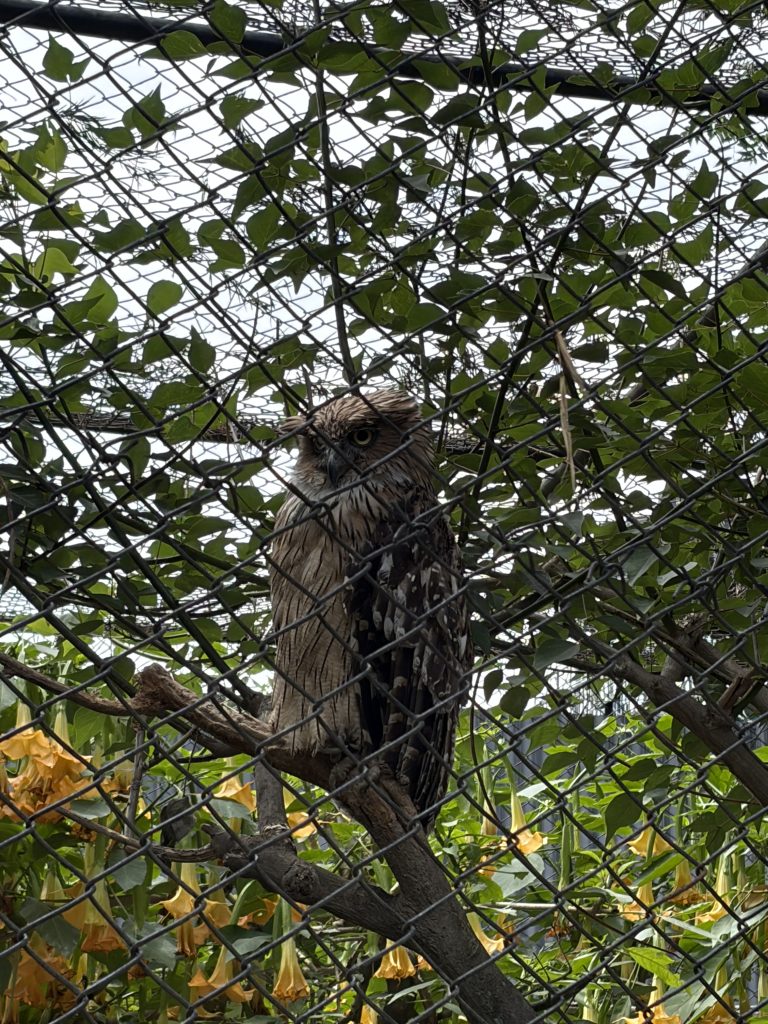
Scientifically termed as Ketupa zeylonensis, the Brown Fish Owl occurs in lowland areas of Nepal, Turkey, Myanmar, and China. The Brown Fish Owl makes its habitat in forested or wooded areas near water streams, lakes and paddy fields. Its weight ranges from zero point five to three kilograms. It feeds on fish and frogs. The hatching period is about thirty-eight days while its lifespan may be more than thirty years. The Brown Fish Owl is both a day and night predator and mainly spends its time catching prey from water bodies. It is a symbol of wisdom, mystery and protection from evil spirits.
Ruddy Shelduck
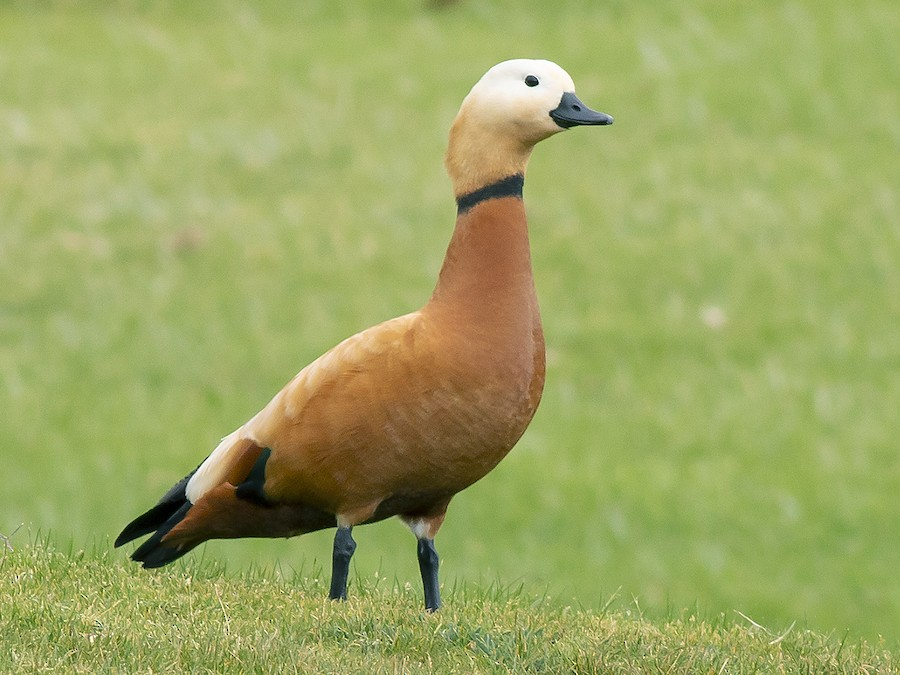
Scientifically referred to as Tadorna ferruginea, the species is distributed in northwestern Africa, Ethiopia, south-eastern Europe and Central Asia to south-eastern Asia, where it migrates to in winter season. The species inhabit wetlands, commonly inhabiting mudflats and sandbars at heights ranging from seventy-six meters to four thousand nine hundred meters above sea level. This species primarily feed on plants, mollusks, crustaceans, aquatic insects, fish, and reptiles. The species lays six to ten pearly white colored eggs whose incubation period takes thirty days.
Sarus Crane
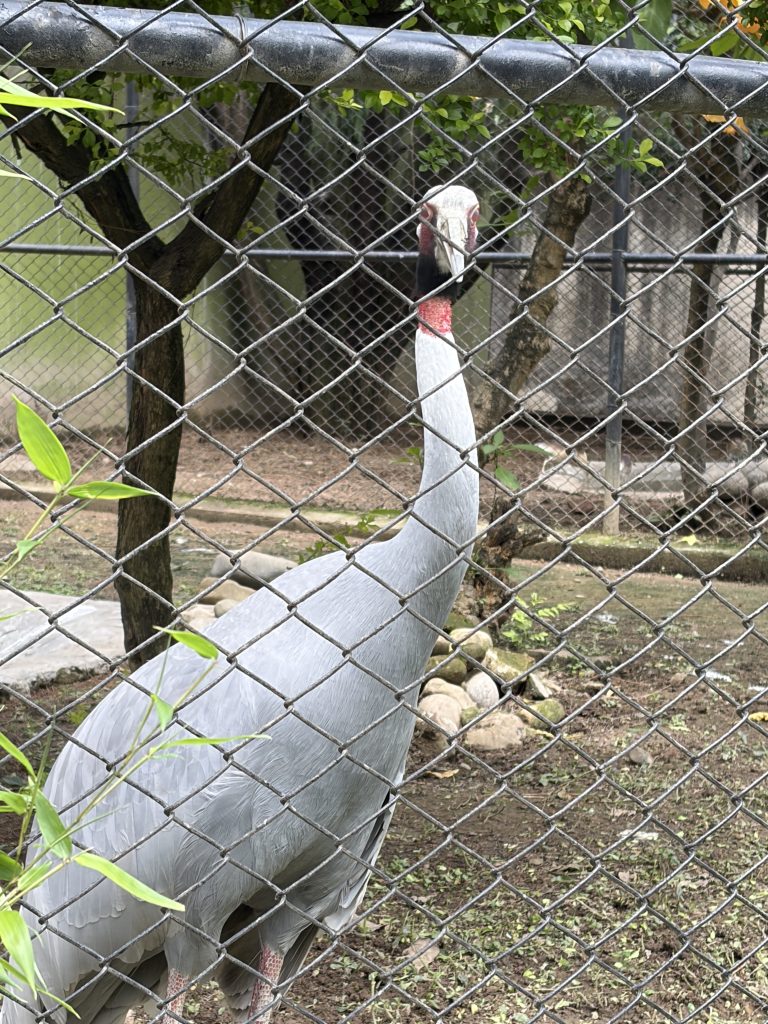
The scientific name for Sarus Crane is Grus Antigone and it is distributed in the Indian Sub-continent, South East Asia, and Northern Australia. The habitats of Sarus Crane include wetlands, grasslands, farmland, marshes, ponds, and woodlands. The big bird weighs around thirty-five to forty kilograms and eats plants, invertebrates, grain, vertebrates, and insects. They lay two white eggs and incubation time is thirty-one to thirty-four days. The lifespan of Sarus Crane is forty-two years.
Indian Pond Heron
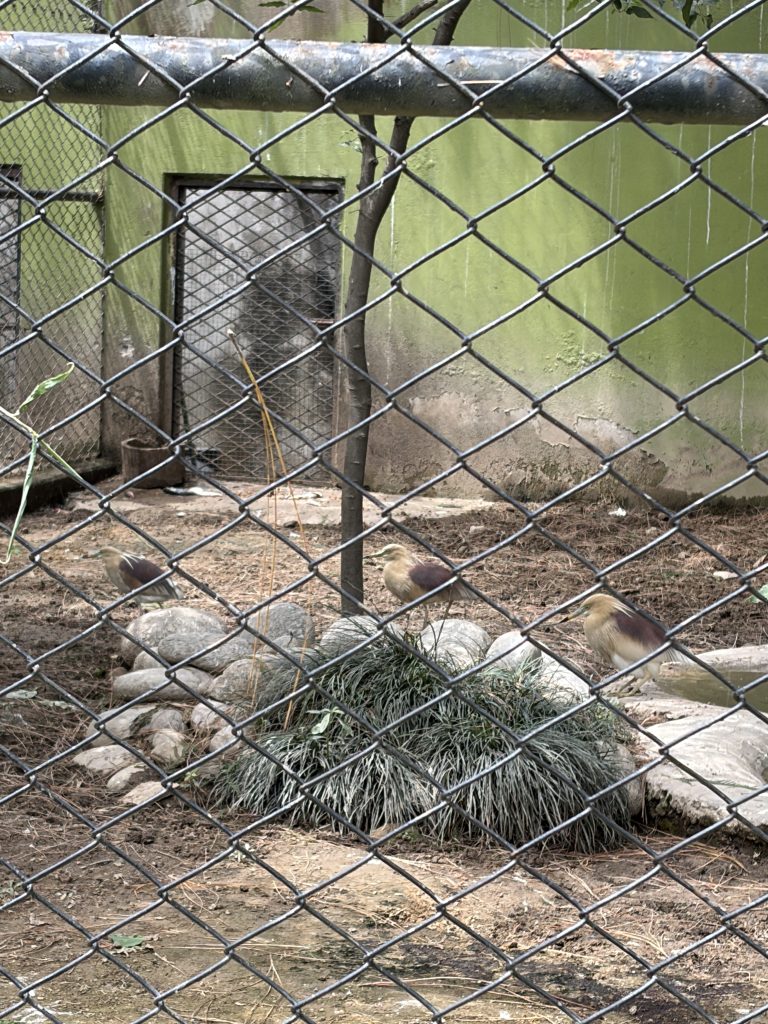
Ardeola grayii or Indian Pond Heron we can find in the south and south-east of Asia. They make their homes near wetlands, ponds, lakes, and rivers. This bird eats oats, wheat, barley, and they also catch fish and insects in rice paddies. They lay three to five eggs and it takes twenty-four days for their incubation period. Indian Pond Heron has an average life span of ten to fifteen years and it falls under the category of Least Concern. In breeding season, they have beautiful colors with a dark reddish-brown back that complements their yellow heads.
Plum-Headed Parakeet
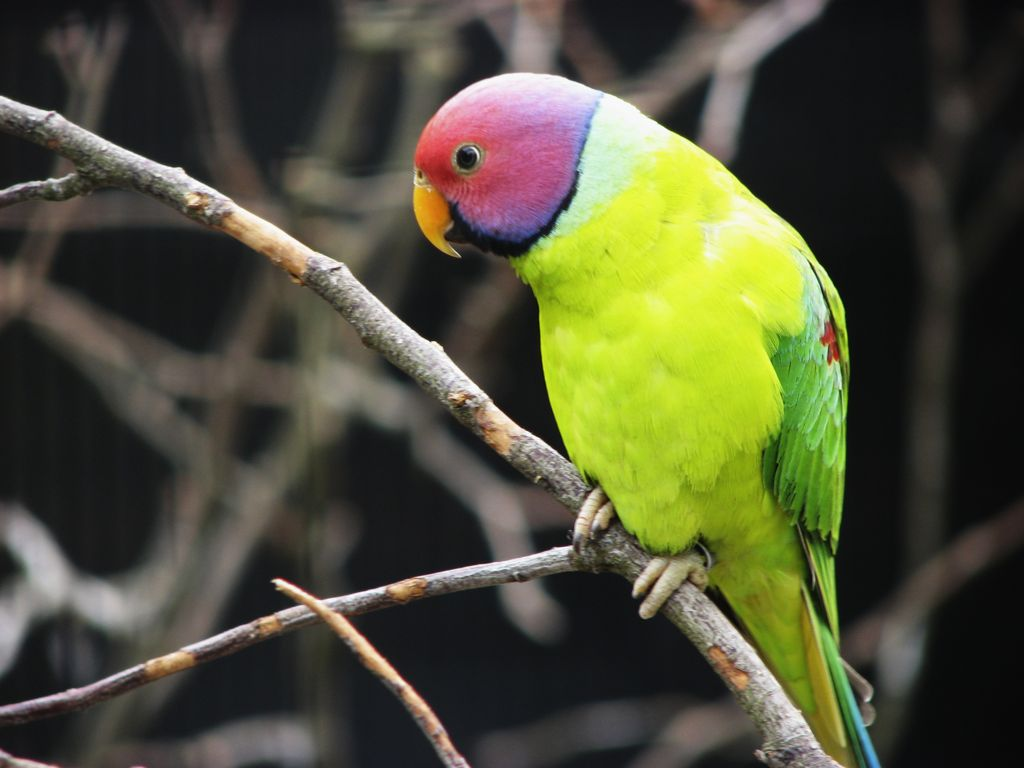
Scientifically referred to as Himalayapsitta cyanocephala, the Plum-headed Parakeet occupies forests and wooded places in different climatic zones. This bird subsists on fruits, seeds, greens, berries, and even chili peppers, feeding on about one tablespoon of food each day. Its lifespan ranges from 15 to 20 years and is categorized as being of least concern. The males have a vividly plum-colored head whereas the females have bluish-green colored heads. The Plum-headed Parakeet mimics human vocalizations and flights beautifully.
Silver Pheasant

The Silver Pheasant, whose scientific name is Lophura nycthemera, is indigenous to the mountain regions of south-east Asia, ranging from the Himalayas to southern parts of China. The Silver Pheasant inhabits mountain fields, heaths, scrub, and forests, especially areas adjacent to bamboo. Some of its food sources include seeds, grain, fruit, leaves, roots, bugs, worms, and slugs. The Silver Pheasant lays a total of nine to eleven eggs, which takes twenty-five days to hatch. The lifespan of the Silver Pheasant is estimated at nine to ten years.
Danphe
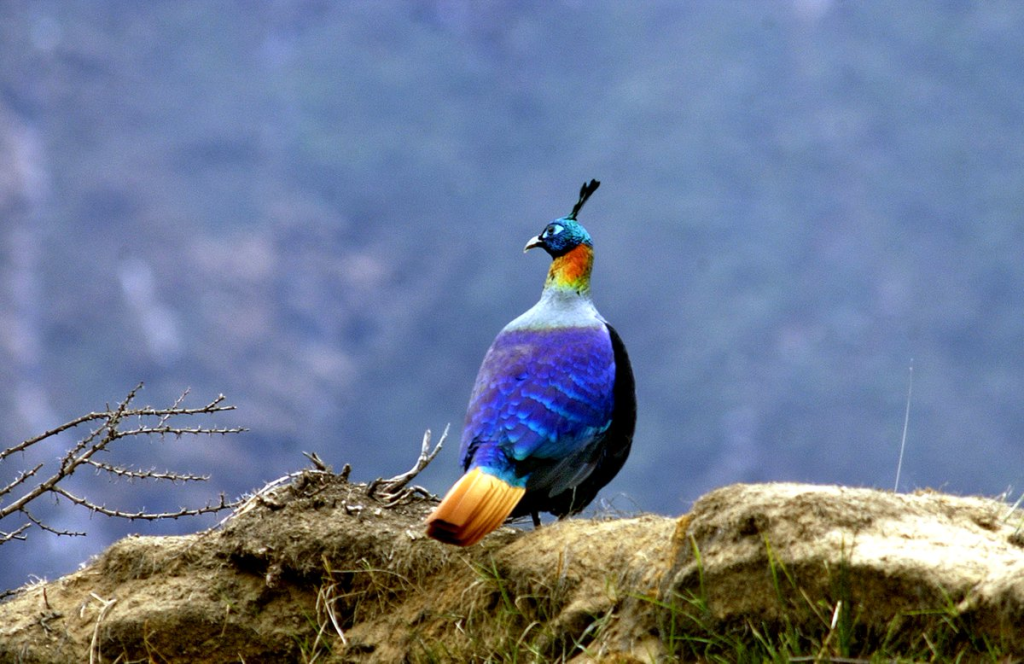
Lophophorus impejanus, Danphe, is the national bird of Nepal and inhabits Nepal, India, Afghanistan, Pakistan, China, Myanmar, and Bhutan. This bird dwells in the upper temperate zone in oak-conifer forests along with open slopes, cliffs, and alpine meadows, at an altitude ranging from two thousand four hundred meters to four thousand five hundred meters. This bird weighs from two thousand one hundred and fifty grams to two thousand three hundred and eighty grams and eats seeds, berries, mosses, insects, and grubs. Its clutch size is three to five eggs and its incubation period is of twenty-seven days.
Oriental Pied Hornbill
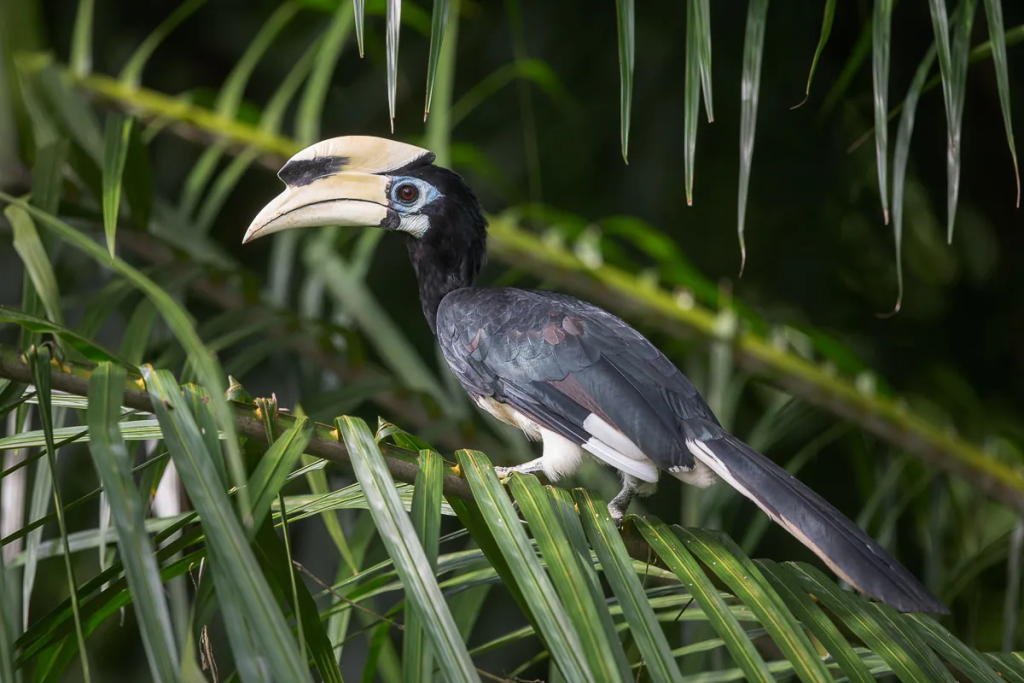
Scientific name of the Oriental Pied Hornbill is Anthracoceros albirostris and its habitat range includes Indian subcontinent and south-east Asia. Its habitat includes hot and moist rainforests and wet forests in the lower foothills up to an altitude of seven hundred meters. The diet of the Oriental Pied Hornbill includes fruit, small birds, reptiles, fish, and insects. The average number of eggs laid by this species is three or four while each egg is white in color, and incubation time lasts twenty-five days.
Common Peafowl
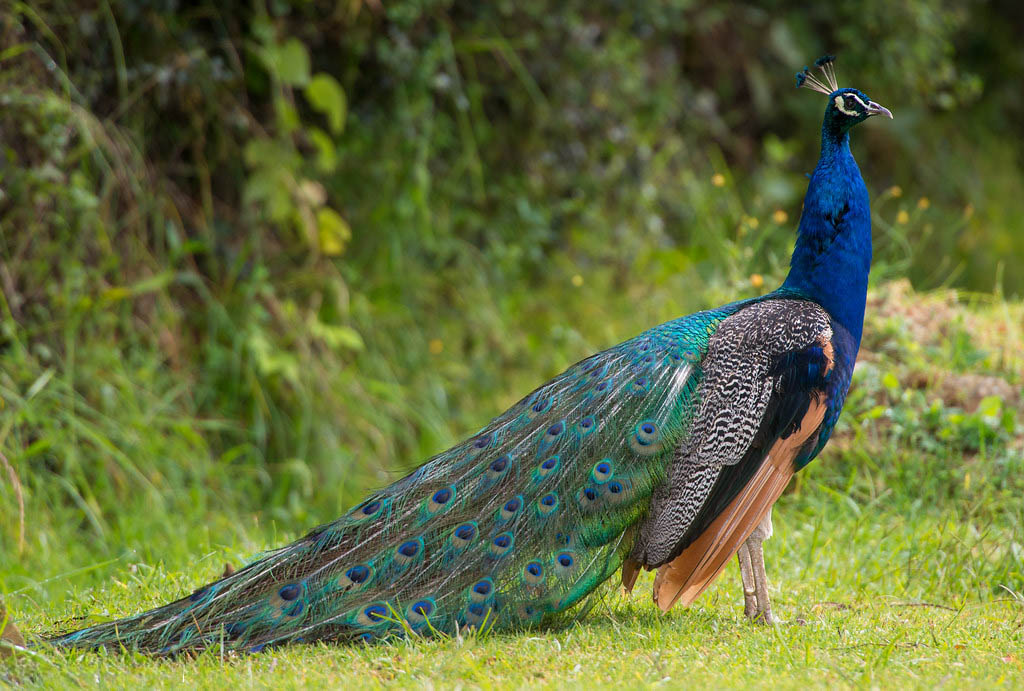
Common Peafowl (Pavo cristatus) is distributed across the geographical range of Nepal, India, Bangladesh, Pakistan and Sri Lanka. It inhabits moist as well as dry sal forests, tall grassland and shrubbery habitats and can even be seen living in proximity to cultivated land and villages. Being a big bird, it feeds on fruits, grains, shoots, lizards, snakes and other small creatures. The Common Peafowl breeds by laying three to five eggs that hatch after an incubation period of thirty days. Its lifespan is about eight to nine years.
Blue and Yellow Macaw
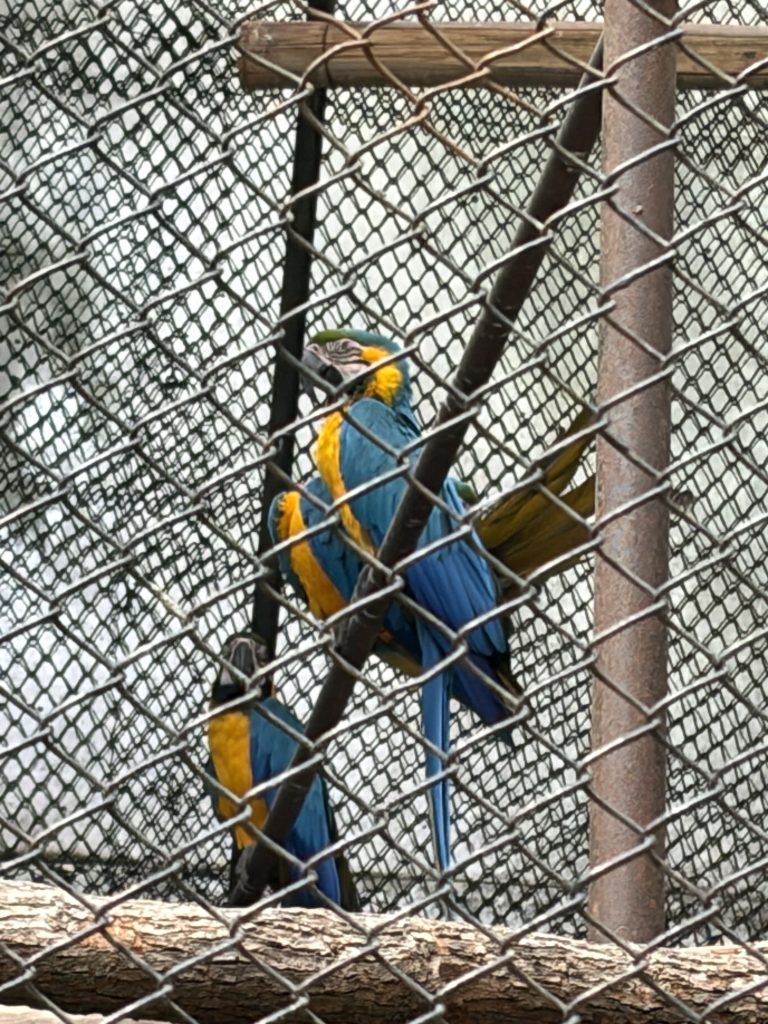
Blue and Yellow Macaw (Ara ararauna) is native to Venezuela, Peru, Brazil, Bolivia, and Paraguay, with some populations existing within Central America. It inhabits rainforests in marshy and riverbank locations, preferring to nest in treetops to avoid being attacked by predators. This bird is an omnivore, feeding mostly on fruits, nuts, and seeds. To detoxify any unripe nuts that it might have consumed, the Blue and Yellow Macaw will eat clay found along the banks of rivers. Its breeding season produces two to three eggs, which it incubates for twenty-eight days. This bird can live up to fifty years in captivity and we have listed under Least Concern.
Final Thoughts
The birds at the Central Zoo are from different parts of Asia, Africa, Australia, and even more. Several of these species, including the Sarus Crane and Salmon-Crested Cockatoo, we categorize endangered in the wild. It is a great thing that the zoo is helping to raise awareness about and protect such fantastic animals.
If you plan to visit the Central Zoo in Kathmandu, be sure to spend some time observing the birds there. What is your favorite bird at the Central Zoo? Have you seen any of them in nature? Post your answers in the comments below.
