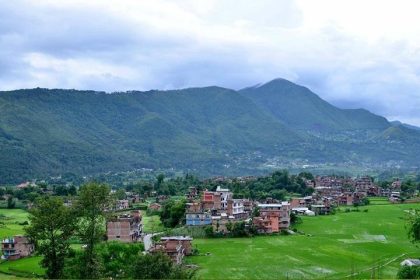

The Silent Home of Love and Farewell
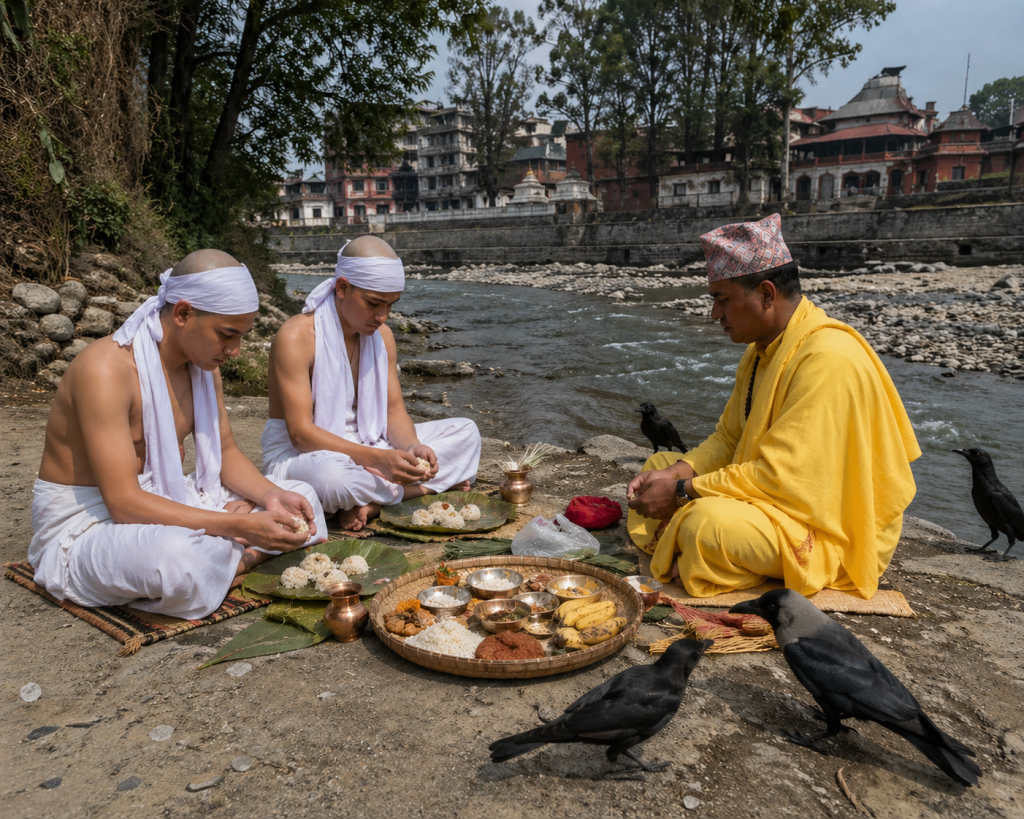
A Kiriya Putri Ghar is a special place where Hindu families stay after the cremation of a loved one. Important mourning rituals are performed in this place. These rituals are followed to show respect, love, and prayers for the departed soul.
In Nepal, Kiriya Putri Ghars are considered an important part of social, cultural, and religious life. In particular, these places are widely used in Lalitpur Metropolitan City, which is also known as Patan.
Lalitpur is one of the oldest cities in Nepal. It is known for its temples, traditional buildings, and rich cultural heritage. Therefore, religious traditions are still strongly respected in this city.
Introduction to Kiriya Putri Ghar
A Kiriya Putri Ghar, also called a Kriyaghar or Mourning Ritual Home, is a place where mourning rituals are performed after a death in the family.
In Hindu culture, a mourning period called Kiriya is usually observed for 13 days. During this period, prayers are offered, purification rituals are completed, and religious practices are followed.
Traditionally, these rituals were performed at home. However, because modern houses are becoming smaller, enough space is often not available. As a result, Kiriya Putri Ghars are being used more frequently.
Furthermore, families can be accommodated comfortably, and rituals can be performed according to tradition.
Why Is Kiriya Putri Ghar Important in Lalitpur?
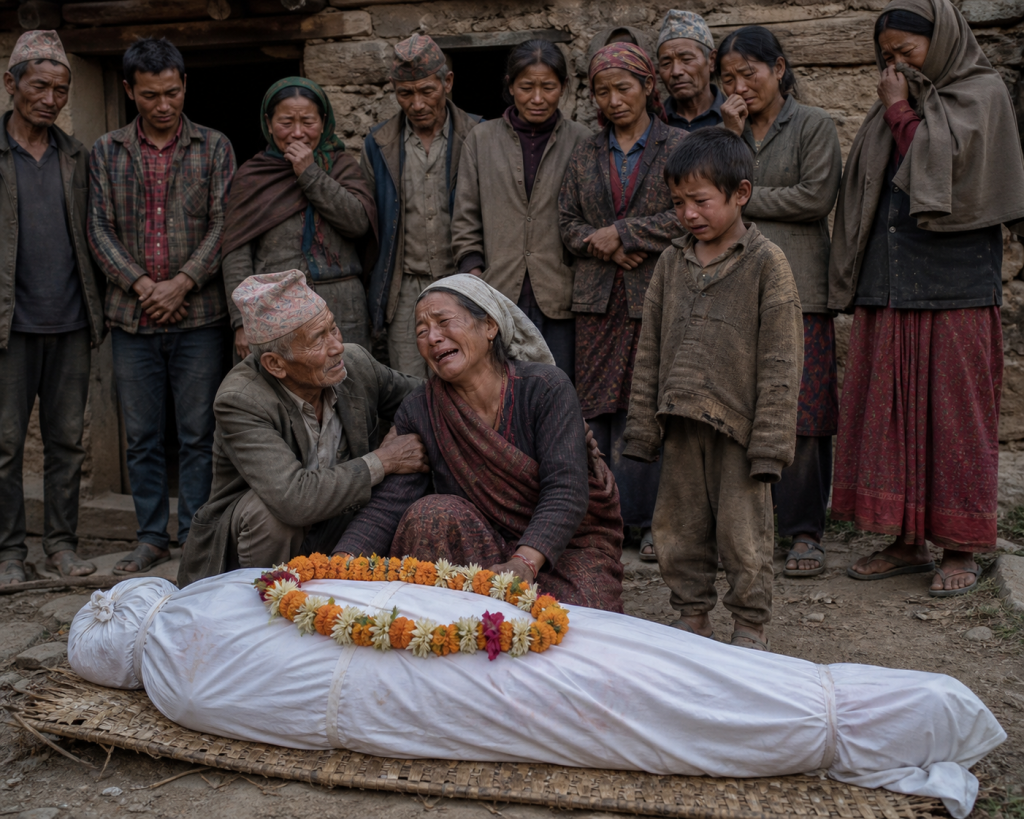
Kiriya Putri Ghars play an important role in preserving cultural traditions. Through these facilities, religious customs can be continued from one generation to another.
Several benefits are provided by a Kiriya Putri Ghar:
- Space is provided for mourning families.
- Religious ceremonies can be performed properly.
- Priests can be accommodated.
- Relatives and visitors can gather together.
- Emotional support can be received.
As a result, families are helped during difficult times.
Hindu Mourning Rituals and Pind Daan
After cremation, several religious rituals are performed. These rituals are believed to help the departed soul find peace.
The following activities are commonly carried out:
- Daily prayers
- Ritual purification
- Fasting
- Shraddha ceremonies
- Pind Daan offerings
Among these rituals, Pind Daan is considered especially important. During this ceremony, offerings and prayers are made for the peace of the departed soul.
Moreover, a spiritual connection between ancestors and family members is believed to be maintained.
Many Kiriya Putri Ghars are located near rivers. In particular, areas near the Bagmati River are considered sacred. Therefore, many mourning rituals are performed in these locations.
Facilities Available in Kiriya Putri Ghars
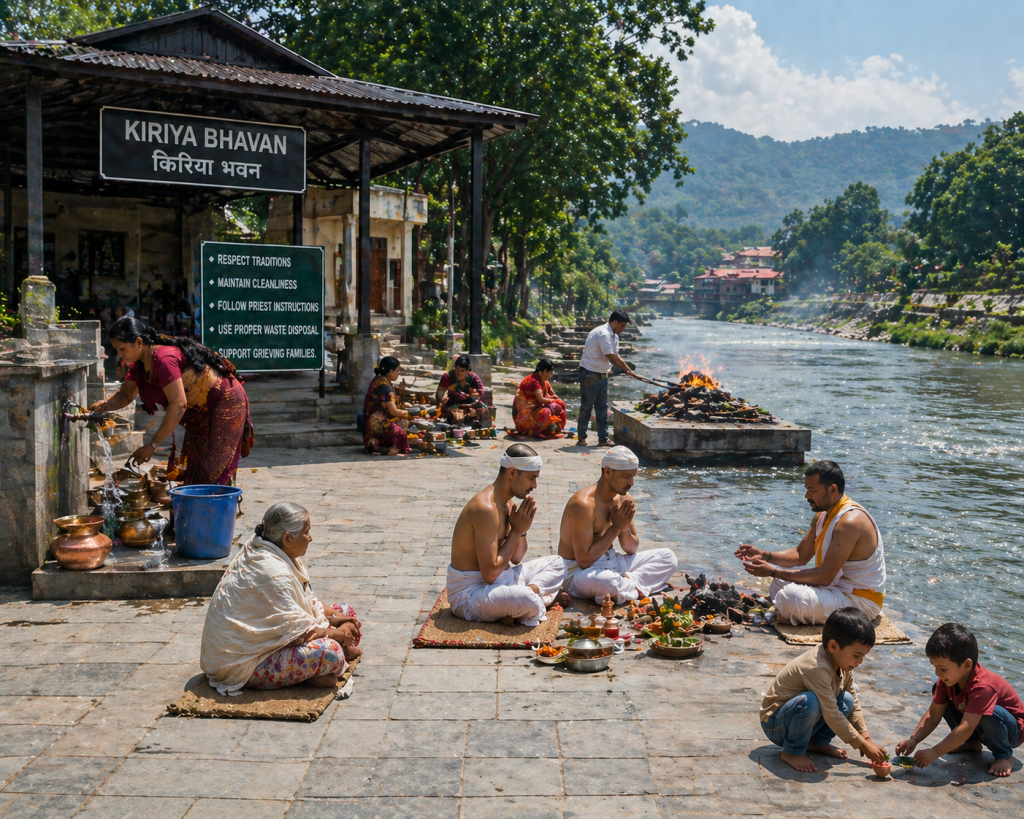
According to field observations, 32 Kiriya Putri Ghars are located within the 29 wards of Lalitpur Metropolitan City.
Basic facilities are generally provided in most locations. These include:
- Electricity
- Water supply
- Basic accommodation
- Cooking utensils
- Space for rituals
However, several limitations can still be seen.
For example, limited bedding is available in many places. In addition, proper bathrooms and separate bathing areas are often lacking. Furthermore, some buildings are in need of renovation.
Although basic services are provided, additional improvements are still required.
Challenges Faced by Kiriya Putri Ghars
Several challenges are currently being faced by Kiriya Putri Ghars.
Limited Capacity
In many Kiriya Putri Ghars, only one family can be accommodated at a time. Consequently, space shortages can occur.
Poor Infrastructure
In some locations, maintenance has not been completed regularly. As a result, sanitation facilities are not always adequate.
Unequal Distribution
Not every ward has a Kiriya Putri Ghar. Therefore, longer travel distances are sometimes required by families.
Lack of Modern Facilities
Although basic facilities are available, better services are expected by many community members.
Do’s and Don’ts in a Kiriya Putri Gha
Respectful behavior should always be shown in a Kiriya Putri Ghar.
Do
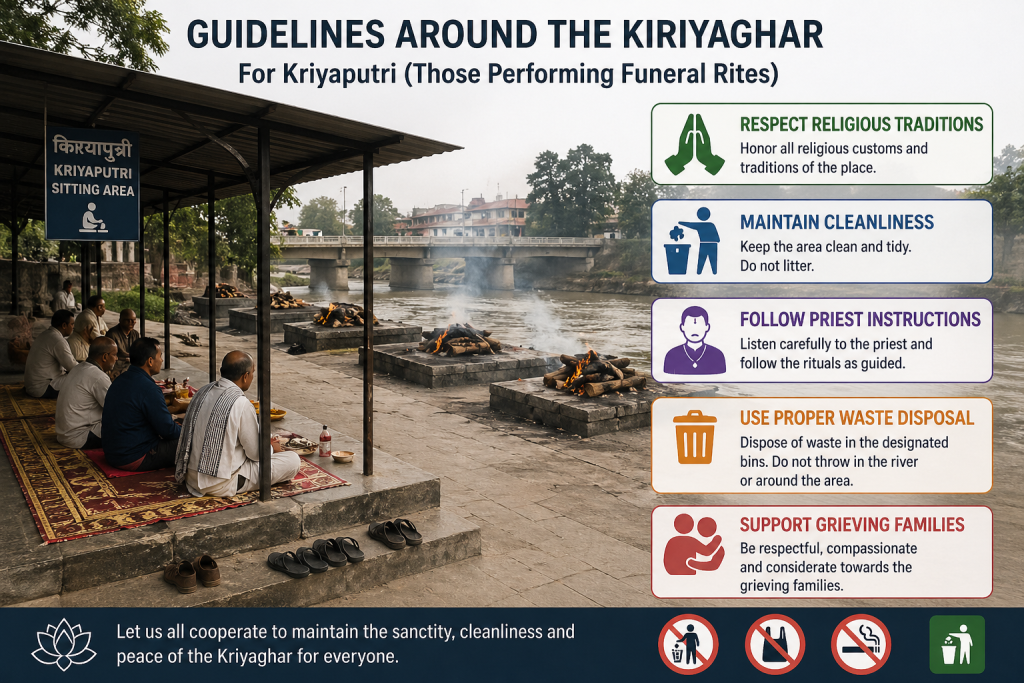
- Religious traditions should be respected.
- Cleanliness should be maintained.
- Priest instructions should be followed.
- Waste should be disposed of properly.
- Support should be given to grieving families.
Do Not
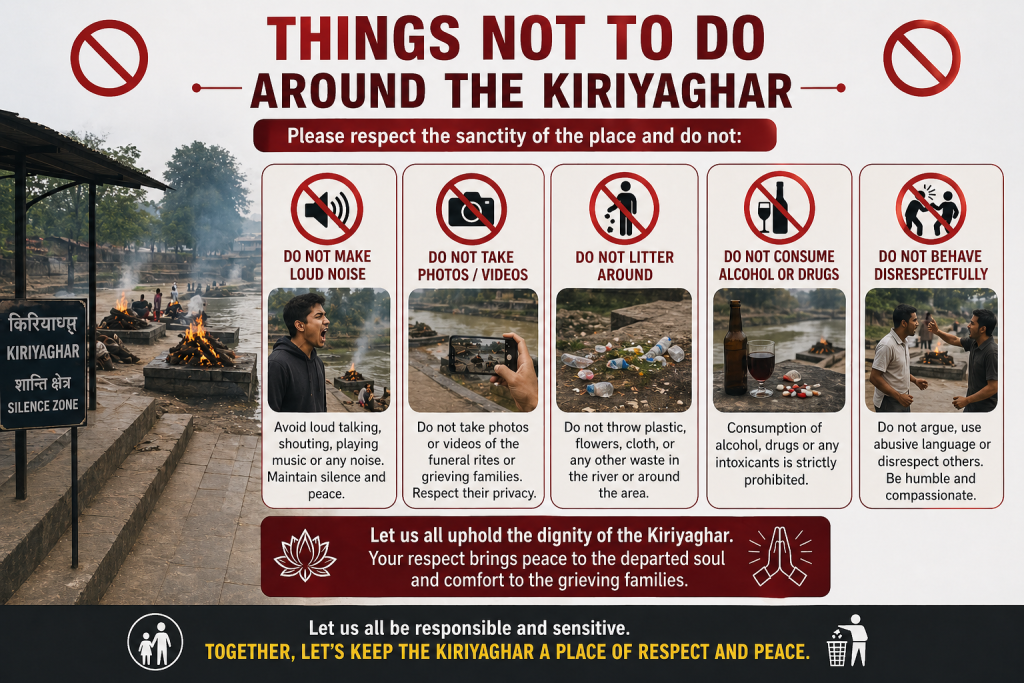
- Loud noise should not be made.
- Rituals should not be disturbed.
- Garbage should not be thrown carelessly.
- Photos should not be taken without permission.
- Religious customs should not be disrespected.
By following these simple rules, the peaceful environment can be protected.
Future Needs and Community Expectations
According to local observations, not every ward has a Kiriya Putri Ghar. Therefore, many residents believe that at least one well-managed facility should be available in every ward.
In addition, many traditional Pati-Pauwa structures located near rivers could be renovated and used as Kiriya Putri Ghars.
For example, around 20 to 25 traditional structures can be found in the Sankhamul area. However, only a few are currently being used for mourning purposes.
If more facilities are developed, greater convenience can be provided to families. Furthermore, mourning rituals can be performed with greater comfort and dignity.
As a result, community needs can be better fulfilled in the future.
Conclusion
Kiriya Putri Ghars are an important part of Lalitpur’s social, cultural, and religious life. A peaceful space is provided where mourning rituals can be performed with respect and dignity.
Although several challenges still exist, improvements can be achieved through better management, infrastructure development, and community support.
Ultimately, cultural traditions can be preserved, families can be supported, and community unity can be strengthened through well-managed Kiriya Putri Ghars. With continued care and development, these sacred places will continue to serve future generations.