
Education in Nepal: A Simple Guide for Students
Education in Nepal is growing and changing every year. Schools, teachers, and students are working hard to build a brighter future. If you are a middle school student, this guide will help you understand how education works in Nepal and why it matters so much.
Why Education Is Important
Education helps you learn new things. It builds your skills and shapes your future. When you go to school, you learn how to read, write, and solve problems. You also learn how to work with others and think in new ways.
In Nepal, education plays a big role in improving lives. It helps people get better jobs and make smart choices. A strong education system also helps the country grow.
Structure of Education in Nepal
The education system in Nepal has different levels. Each level helps students grow step by step.
1. Early Childhood Education
Young children start with pre-primary or kindergarten. At this stage, learning is fun and simple. Kids play games, sing songs, and learn basic skills like counting and the alphabet.
2. Basic Education (Grades 1–8)
Basic education is very important. It builds the foundation for all future learning. Students learn subjects like:
- English
- Nepali
- Math
- Science
- Social Studies
Schools focus on reading, writing, and understanding ideas clearly.
3. Secondary Education (Grades 9–12)
Secondary education prepares students for higher studies or jobs. Students study more advanced topics. They may also choose subjects they enjoy.
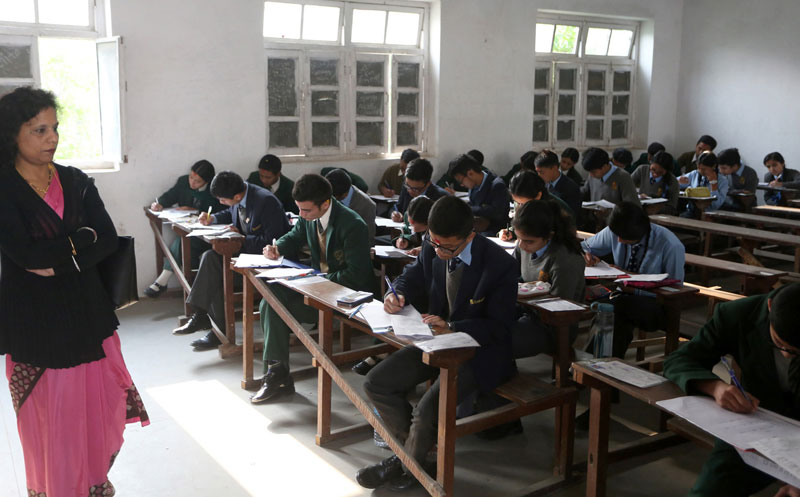
At the end of Grade 10, students take an important exam called the SEE (Secondary Education Examination). This exam helps decide their next step.
Types of Schools in Nepal
There are two main types of schools in Nepal:
Public Schools
Public schools are run by the government. They are often low-cost or free. Many children in rural areas go to public schools.
Private Schools
Private schools are run by individuals or groups. They usually have better facilities but cost more money. Many private schools use English as the main language of teaching.
Challenges in Education
Education in Nepal is improving, but some challenges still exist.
1. Lack of Resources
Some schools do not have enough books, classrooms, or teachers. This makes learning harder for students.
2. Remote Locations
Nepal has many mountains and hills. Some students must walk long distances to reach school. This can be tiring and unsafe.
3. Dropout Rates
Some children leave school early. This happens due to poverty, family needs, or lack of support.
4. Quality of Teaching
Not all teachers have the same training. Better teacher training can improve student learning.
Government Efforts to Improve Education
The government of Nepal is working hard to improve education. Many programs have been started to help students and schools.
- Free basic education for all children
- Scholarships for students in need
- Training programs for teachers
- School meal programs to support poor students
These efforts are helping more children go to school and stay there.
Role of Technology in Education
Technology is changing education in Nepal. Many schools now use computers, the internet, and digital tools.
Students can:
- Watch educational videos
- Attend online classes
- Learn new skills through apps
Even in remote areas, digital learning is slowly growing. This helps students access better learning resources.
How Students Can Succeed
Success in education depends on effort and attitude. Here are some simple tips:
- Attend school regularly
- Ask questions when you do not understand
- Practice reading and writing every day
- Stay curious and keep learning
Teachers and parents also play an important role. They guide and support students along the way.
The Future of Education in Nepal
The future looks bright for education in Nepal. More schools are being built. Teaching methods are improving. Technology is becoming more common.
With hard work and support, students in Nepal can achieve great things. Education will continue to open new doors and create better opportunities.
Final Thoughts
Education in Nepal is growing stronger each year. While challenges remain, progress is clear. Every student has the power to learn, grow, and succeed.
If you are a student, remember this: your education is your biggest tool. Use it wisely, and it will help you build a better future.