
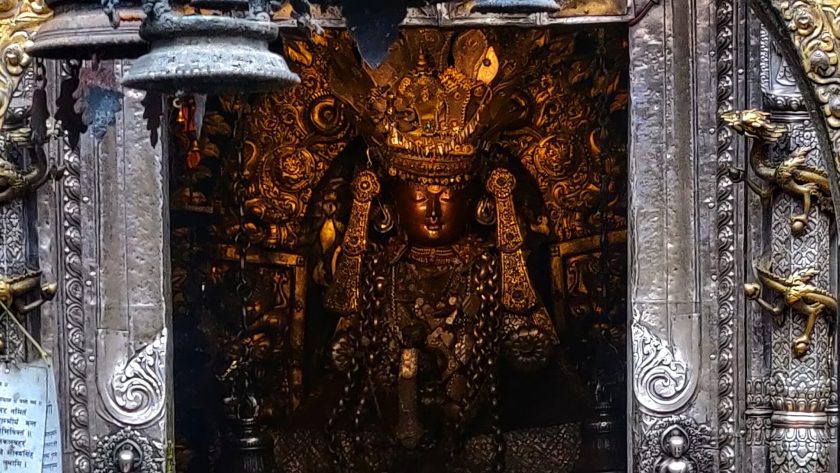
Patan has many Buddhist circuit sites. Patan is home to golden temples, ancient courtyards, and giant stupas. The Patan Buddhist Circuit Tour feels like a real-life treasure hunt. Every street feels like it is telling a story from the past.
Patan is famous for both Buddhist and Hindu religious sites. It has amazing art, temples, and peaceful monasteries. Visitors begin their journey from Patan Durbar Square and explore sacred Buddhist sites hidden around the city. Not only visitors but also locals also like to visit these sites.
Why the Patan Buddhist Circuit Is So Special:
Visiting the Buddhist Circuit is one of the greatest cultural journeys one can experience in Nepal. It brings together history, religion, art, and local life. Visitors can explore ancient Buddhist temples, monasteries, stupas, scared courtyards, wood carvings and much more. Some of these places are over 1,000 years old and preserved till now. All these things show the history, culture, art, and spiritual life of Buddhism.
The Top 10 Buddhist Circuit sites to visit in Patan are:
1. Hiranya Varna Mahavihar (Golden Temple) :
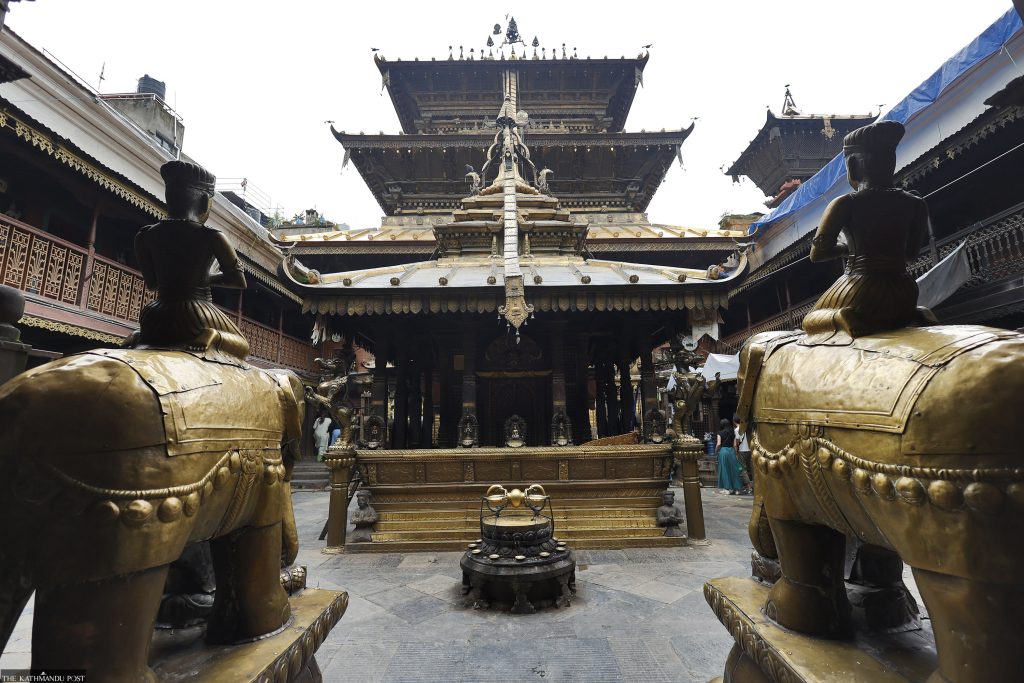
The Golden Temple is one of the most famous Buddhist temples in Patan. It is located near Patan Durbar Square. King Bhaskar Varma built it in 12th century. The temple is famous for its gold and silver decoration. People also like to call it “Hiranya Varna Mahavihar” which means “Golden Colored Monastery”. It reflects the rich art and architecture and the Newar Buddhist culture of Kathmandu Valley.
Young boys from the Newar Buddhist community serve as priests. They take care of the monastery and perform daily religious rituals. Tourists can experience traditional Buddhist rituals performed by young priests. They can see ancient wood carvings, beautiful bronze statues, religious paintings, and metal artworks made by skilled Newar craftsmen. The temple has a very peaceful and spiritual atmosphere, which attracts travelers and tourists. Therefore, this is a must visit temple for anyone who wants to experience a sense of calm or who wants to learn about local culture and history.
2. Mahabuddha Temple:
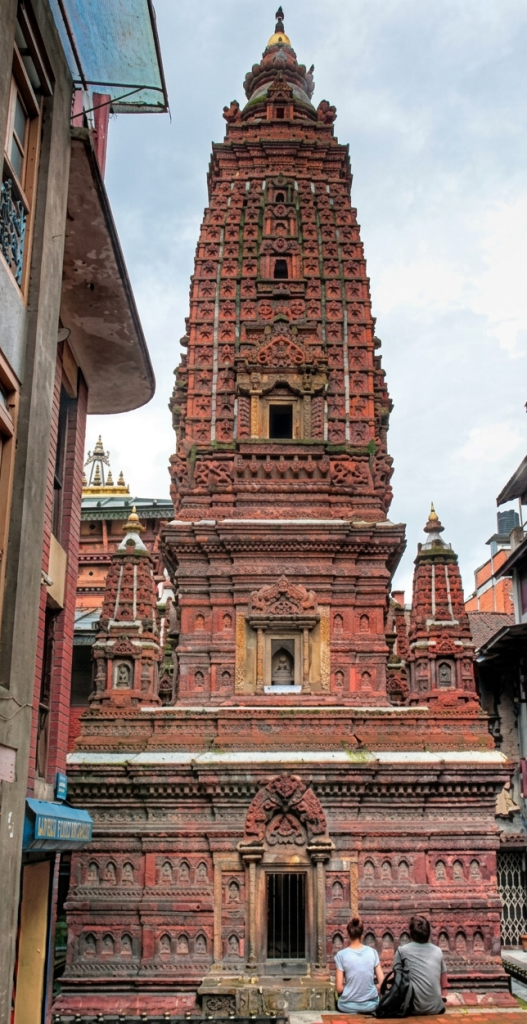
Mahabuddha Temple is one of the most famous Buddhist temples in Patan. Because the temple has thousands of carvings of Buddha on its walls, people also call it “Temple of A Thousand Buddhas”. Abhaya Raj built the temple in 14th century. The terracotta bricks used in the temple were imported from India. It is famous for its unique terracotta architecture, which is rare in Nepal.
The walls contains many images of Buddha in clay, showing excellent craftsmanship. The temple show rich cultural heritage, religious devotion, and artistic skills of Newar craftsman. Its peaceful atmosphere and spiritual importance attracts many visitors. It offers an opportunity to learn about Buddhist history, culture, and traditions in Nepal.
3. Ashok Stupa South (Lagan Thur):
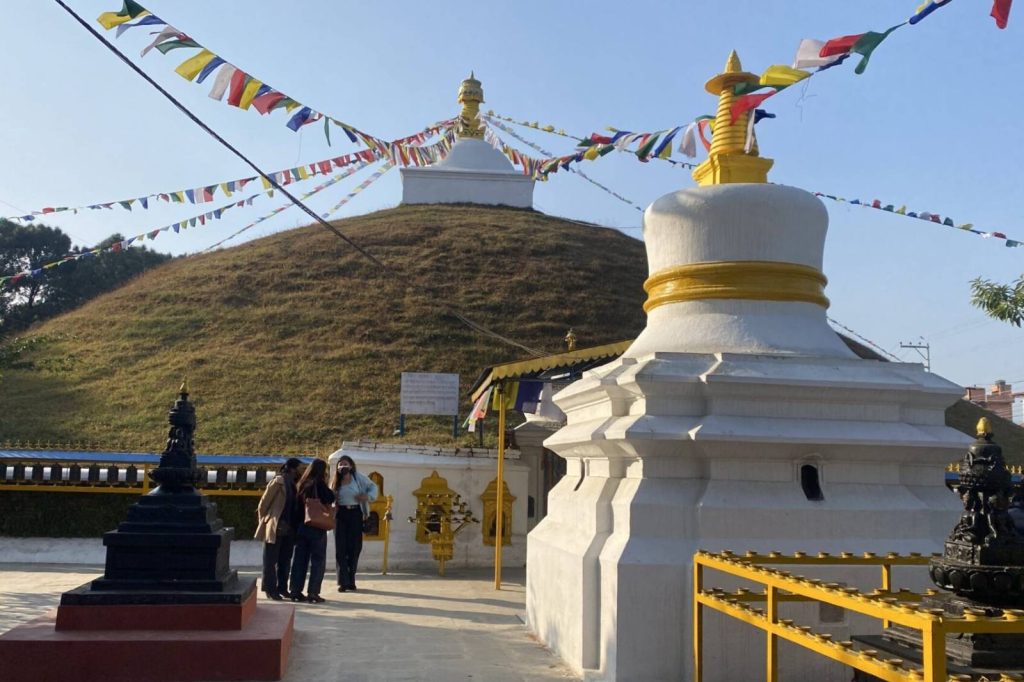
People consider Ashok Stupas among the oldest Buddhist monuments in Nepal. It holds a great historical value. This stupa is located in the southern part of Patan city. Emperor Ashoka from India built these stupas around the 3rd century. He has also built more stupas, like in Pulchowk, Imadol, and Sankhamul. He was one of the important rulers in Buddhist history. Ahsok spread Buddhism and promoted peace, kindness, and non-violence. He has built many stupas, monasteries, and pillars in different countries to spread Buddhist teachings.
Ashok Stupa reflects the strong influence of Buddhism on the culture and history of Patan. Its peaceful atmosphere and spiritual environment attract the visitors. Tourists also visit this site to explore the traditional neighborhoods and cultural heritage surrounding Lagan Thur. The structure is simple but very meaningful, which reflects the ancient Buddhist architectural traditions.
4. Ashok Chaitya:
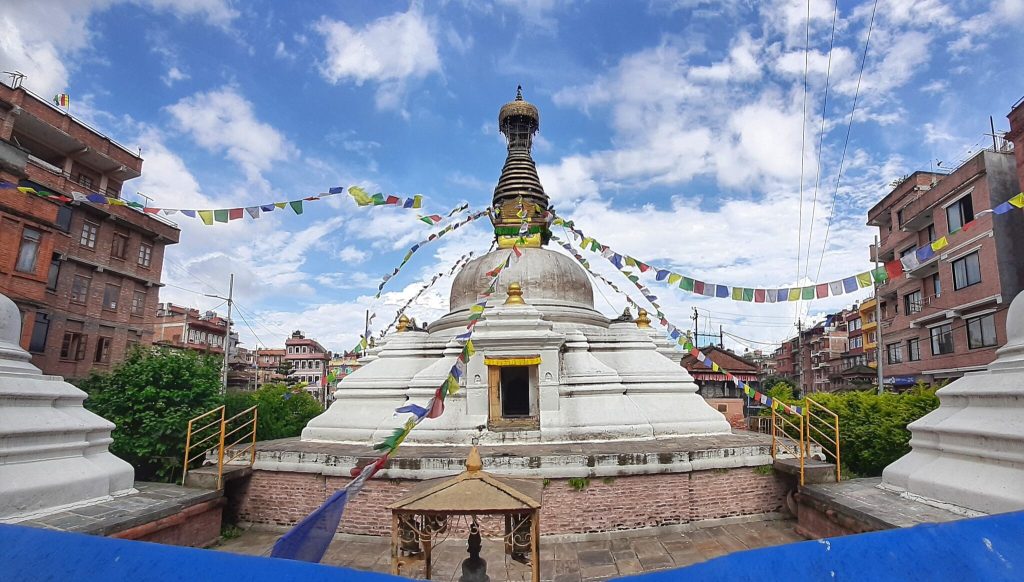
Ashok Chaitya is located near Pimbahal Pokhari of Patan. It is one of the historic Buddhist monuments that reflects the ancient Buddhist heritage of Patan. It is an important religious site for Buddhist communities who visit for prayer and worship.
The peaceful surroundings of Pimbahal Pokhari make sthe site attractive. Newar Architecute and local lifestyle surround the site, tourists can explore them.
Ashok Chaitya is smaller than other stupas, but it still holds deep meaning. Its structure follows traditional Biddhist architectural style with a dome shaped form and sacred symbols. It is important for preserving the religious tradition of the Newar Buddhist community.
5. Rudra Varna Mahavihar (Uku Bahal):
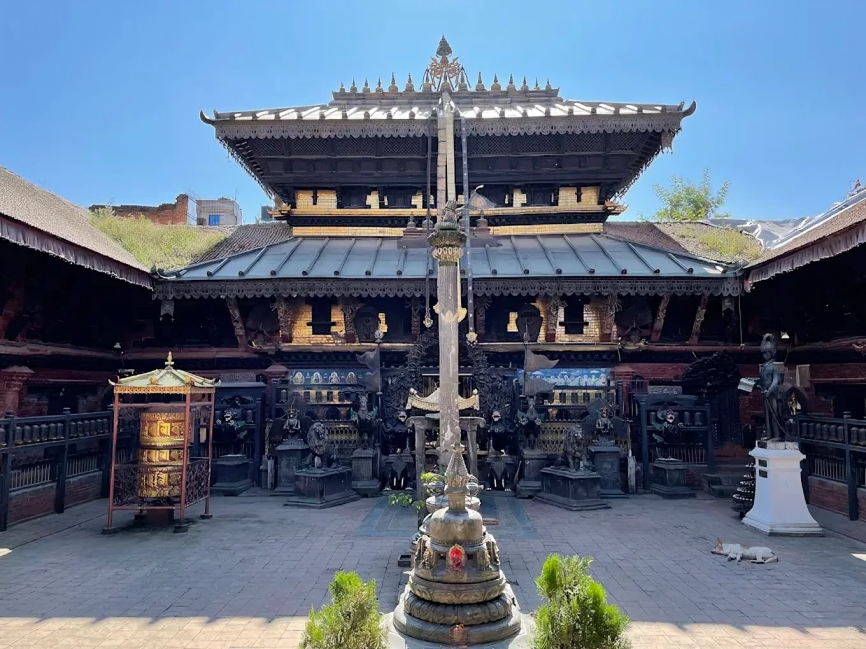
Rudra Varna Mahavihar (Uku Bahal) is one of the oldest and largest monastery in Patan. It is a sacred Newar Buddhist monastery located near Patan Durbar Square. It is very famous for its beautiful courtyard, architecture, bronze statues, stone carvings, and sacred items.
The temple preserves important images of Buddha, Avalokiteshvara, and other Buddhist deities. Therefore, it is a very important monastery for preserving Buddhist heritage and its culture. The monastery celebrates many festivals and ceremonies. Its calm environment, historical value, and artistic beauty attracts many visitors.
6. Ratnakar Mahavihar (Hakha Bahal):
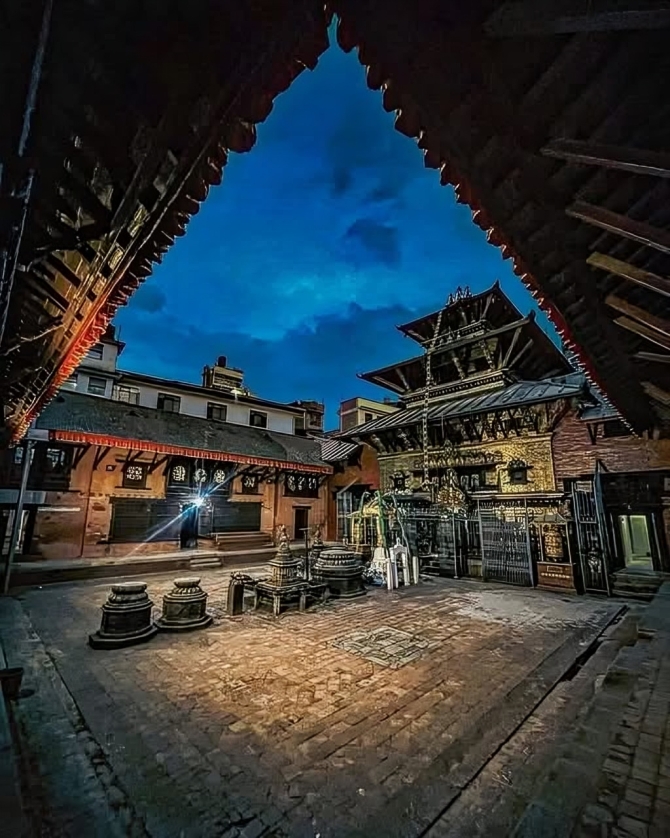
Ratnakar Mahabihar, commonly known as “Hakha Bahal”. It is one of the historic Buddhist monasteries in Patan, close to Patan Durbar Square. It is also a traditional residence of the Patan Kumari, the living goddess of Lalitpur. The monastery is both a Buddhist bihar (monastery) and the0020residence of the Kumari.
Ratnakar Mahabihar is an important center of Newar Buddhism. It has played a significant role in the religious life of the local community for centuries. The monastery features a traditional Newar courtyard design, and surrounded by residential and religious structures. Its architecture features beautiful wood carvings, brickwork, and metalwork. Visitors like to come for its cultural landmark, which preserves ancient Buddhist rituals, customs, and community traditions.
7. Mayur Varna Mahavihar (Bhinche Bahal):
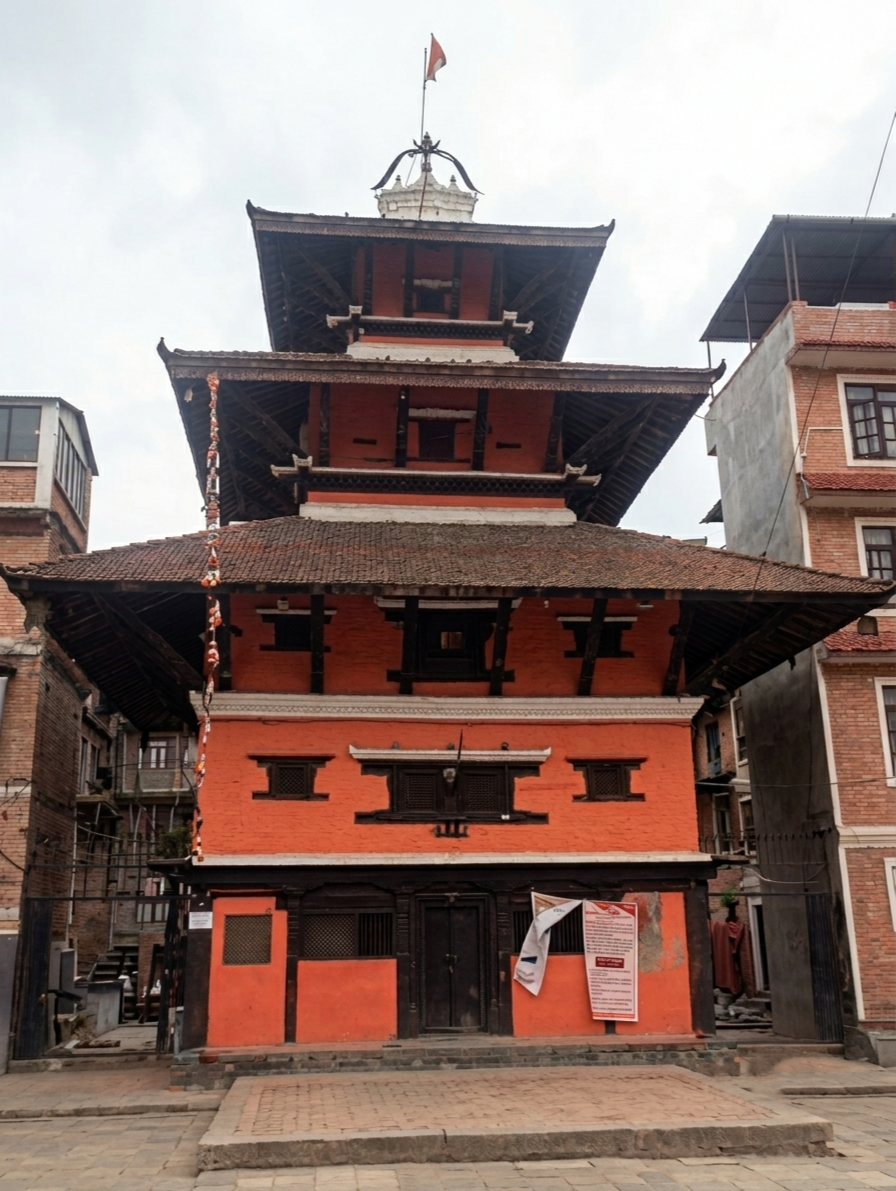
Mayur Varna Mahabihar, also known as “Bhinche Bahal”, which is important Buddhist monastery in Patan. The name “Mayur Varna” means “Peacock-colored Monastery”, which reflects the symbolic importance of peacocks in Buddhist art and Newar decorative traditions. It is one of the 18 principal Mahabihars of Patan. So, it together form an important sacred network of Newar Buddhists monasteries. The monastery is an important center of Vajrayana Buddhism, the form of Buddhism traditionally practiced by the Newar community of Kathmandu Valley.
The monastery continues to function as a living monastery. Here, members of the Bajracharya and Shakya communities maintain religious practices and rituals. The site reflects the close connection between religion, community life, and cultural traditions in Patan. Visitors can observe how ancient Buddhist monasteries are still blended into everyday life in the city. They would like to see the unique Newar Buddhist heritage that combines religious devotion with artistic excellence.
8. Rato Machhindranath Temple:
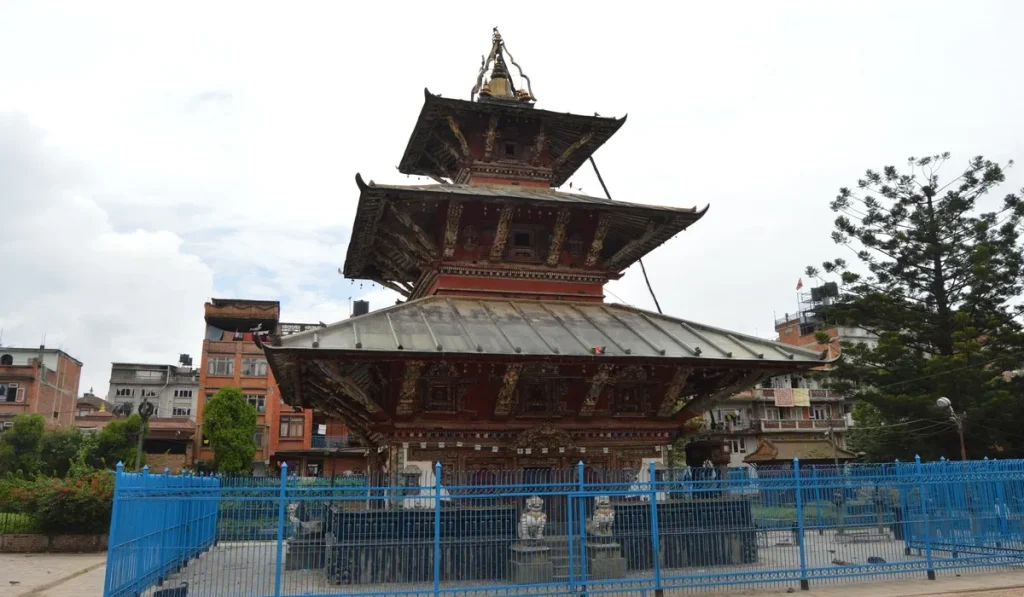
Rato Machhindranath Temple is one of the most important religious sites in Patan for both Hindus and Buddhists. It is located at Tabahal, near the area of Patan Durbar Square. The temple is dedicated to Shree Rato Machhindranath, the god of rain, compassion, and prosperity. Rato Machhindranth is identified with both the Hindu deity Matsyendranath and the Buddhist Bodhisattva Avalokiteshvara. The temple has been worshipped for over a thousand years and remains one of the most honored figures in Newar culture.
The temple is closely associated with the famous Rato Machhindranath Jatra, one of Nepal’s oldest and longest-running festivals. The festival is held to pray for rain, good harvests, prosperity, and well-being of the community. During the festival, huge wooden chariots are pulled through the streets of Patan by thousands of people.
The temple represents the deep historical connection between Buddhism and Hinduism in Nepal. Shree Rato Machindranath is worshipped as Karunamaya Lokeshvara (Avalokiteshvara), one of the most important Buddhist deities.The deity is worshipped by both Buddhists and Hindus, making him a symbol of religious harmony in Nepal.
9. Yempi Mahabihar:
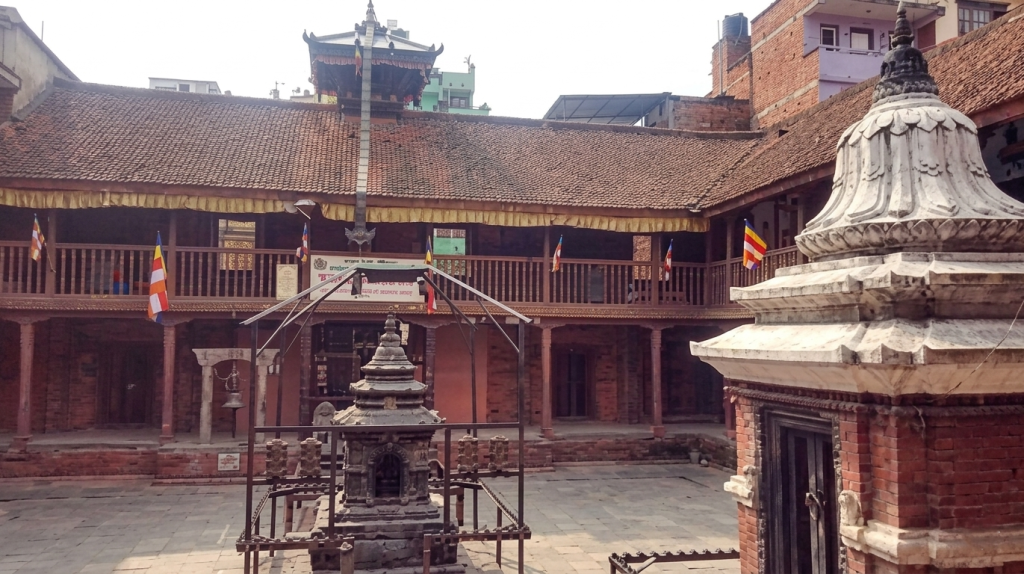
Yempi Mahabihar is one of Patan’s hidden spiritual gems. It is part of the city’s network of ancient mahabihars. The bihar follows the Vajrayana Buddhist tradition and remains an active center of worship and religious practice. The monastery has quiet courtyards and beautiful traditional architecture. Many visitors enjoy the peaceful feeling here.
Most visitors and tourists mainly focus on famous sites like the Golden Temple and Mahabouddha Temple, but a monastery like Yempi Mahabihar offers deep insight into the everyday religious life of Patan’s Newar Buddhist community. It make the monastery a valuable stops for those who are interested in living heritage rather than only historic architecture.
10. Daubahal Stupa:
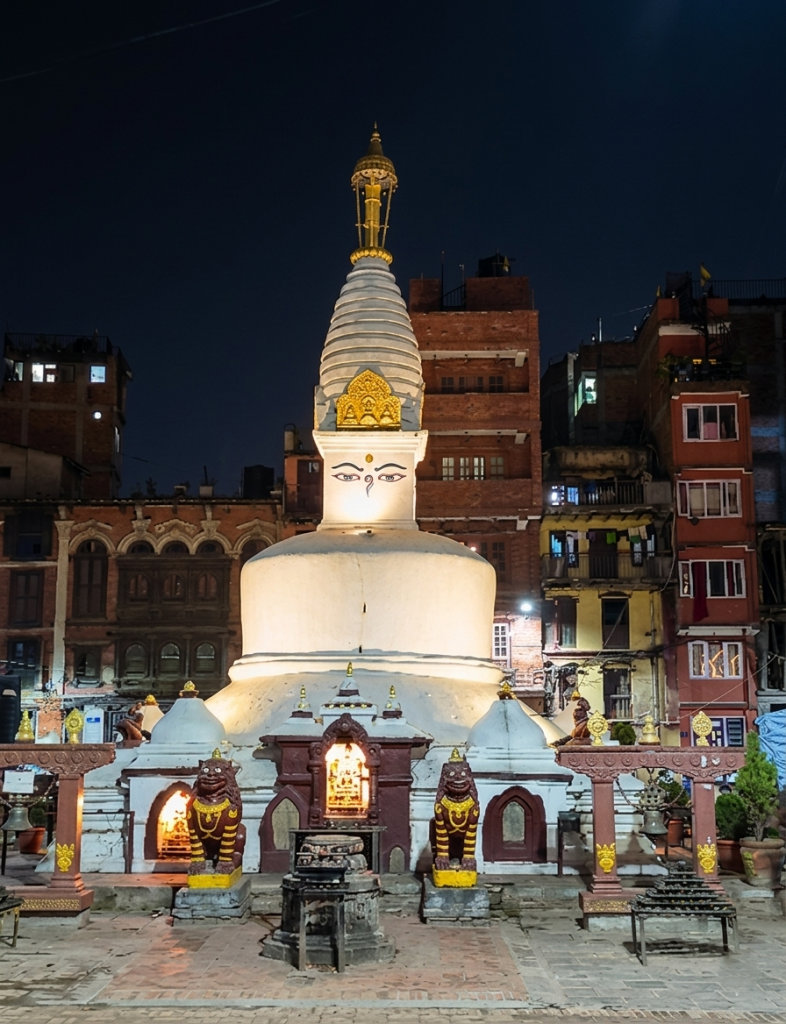
Daubahal stupa is a historic Buddhist monument. It is located within the Daubahal area of Patan, inside a traditional neighborhood. It is an important religious site for the local Newar Buddhist community. The stupa serves as a place for prayers, worship, and meditation. It reflects the long-standing Buddhist heritage of Patan. It is one of the oldest Buddhist centers in Nepal.
Daubahal stupa offers an opportunity to experience an authentic part of Patan’s living cultural and religious heritage. Its design symbolizes peace, enlightenment, and the teachings of Lord Buddha. Visitors are attracted by its spiritual atmosphere, historical importance, and its role in preserving Newar Buddhist traditions.
Conclusion:
The Buddhist circuit of Patan is a wonderful journey through Nepal’s rich spiritual, cultural, and artistic heritage. Sites such as Golden Temple, Rato Machhindranath Temple, and Ashok stupa each offers a unique glimpse of the history and traditions of Buddhism in Lalitpur. Together, these sacred monuments show centuries of Newar craftsmanship and architectural excellence, which have been carefully preserved and passed down through generations.
The journey also lets visitors enjoy history, culture, religion, and architecture. These sites provide an opportunity to experience the living traditions and lifestyle of Nepal. The Buddhist circuit of Patan is more than just a collection of monuments, it is a living example of the city’s culture. It is a great place for visitors who want a closer look at Nepal’s history and modern life.


