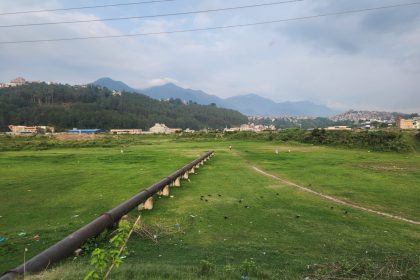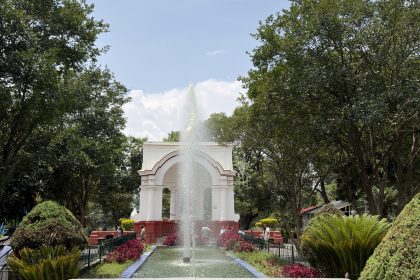
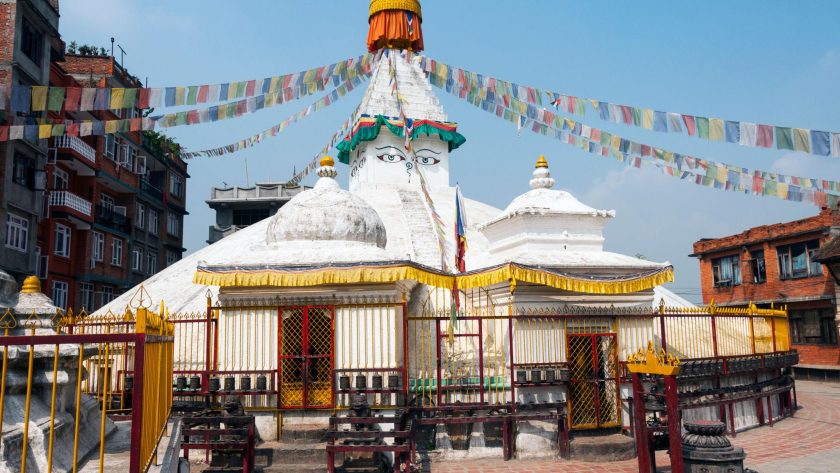
The historic city of Lalitpur, also known as Patan, is one of the oldest cities in Nepal and a treasure house of Buddhist heritage. Top 10 Ancient Emperor Ashoka Monuments Scattered Around Lalitpur showcase the city’s deep historical connection with Buddhism and ancient architecture. Among its most fascinating landmarks are the monuments connected with the great Indian emperor Ashoka. According to local legends and historical traditions, Ashoka visited the Kathmandu Valley around the 3rd century BCE after embracing Buddhism. During his journey, he is believed to have built several stupas and sacred monuments around Patan to spread peace, spirituality, and Buddhist teachings.
Today, these monuments remain important cultural and religious sites. They attract pilgrims, historians, photographers, and travelers from around the world. The Ashoka monuments of Lalitpur reflect ancient architecture, Buddhist philosophy, and the deep artistic traditions of the Newar community.
1.The Southern Ashokan Stupa – Lagan Thura
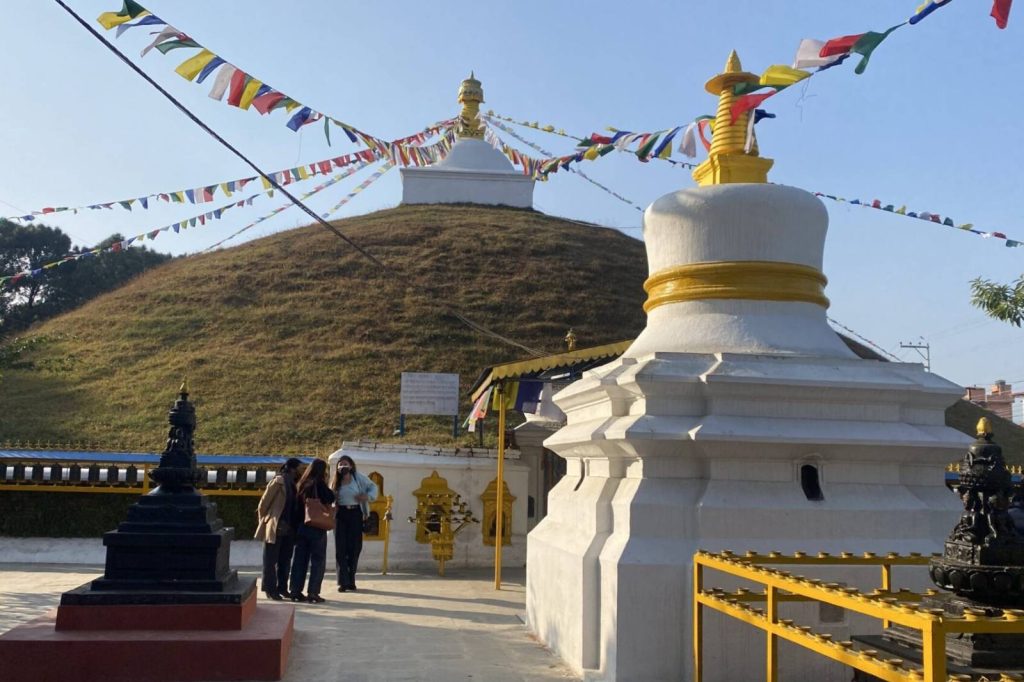
The Southern Ashokan Stupa, popularly known as Lagan Thura, is one of the most famous Ashoka monuments in Lalitpur. Located near Lagankhel, this giant earthen mound is considered the largest among the four ancient Ashokan stupas surrounding Patan. The stupa rises like a green hill with prayer flags flowing from the top. Unlike many decorated stupas, Lagan Thura has a simple appearance, which adds to its mysterious beauty. Historians believe the structure originally served as a sacred boundary marker for ancient Patan.
Local Buddhists walk around the stupa while spinning prayer wheels and chanting prayers. During Buddhist festivals, the area becomes lively with butter lamps, rituals, and cultural celebrations. The peaceful environment around the stupa makes it a perfect place for meditation and spiritual reflection. Visitors can also enjoy panoramic views of the surrounding neighborhoods from nearby areas.
2.Eastern Ashokan Stupa – Teta Thura
The Eastern Ashokan Stupa, also called Teta Thura, stands on the eastern side of ancient Patan near Imadol and Gwarko area . It is one of the best-preserved stupas connected to Emperor Ashoka’s visit to Nepal. According to local beliefs, sacred Buddhist relics were once placed inside the stupa. The monument contains a hemispherical dome with prayer wheels and small Buddha shrines surrounding the structure.
The stupa is surrounded by houses and roads, showing the interesting mix of ancient heritage and modern city life. Even though it is located near a busy road, the monument continues to serve as an important religious site for local Buddhists. The peaceful atmosphere and historical value make it a hidden cultural treasure of Lalitpur.
3.Western Ashokan Stupa – Pucho Thura
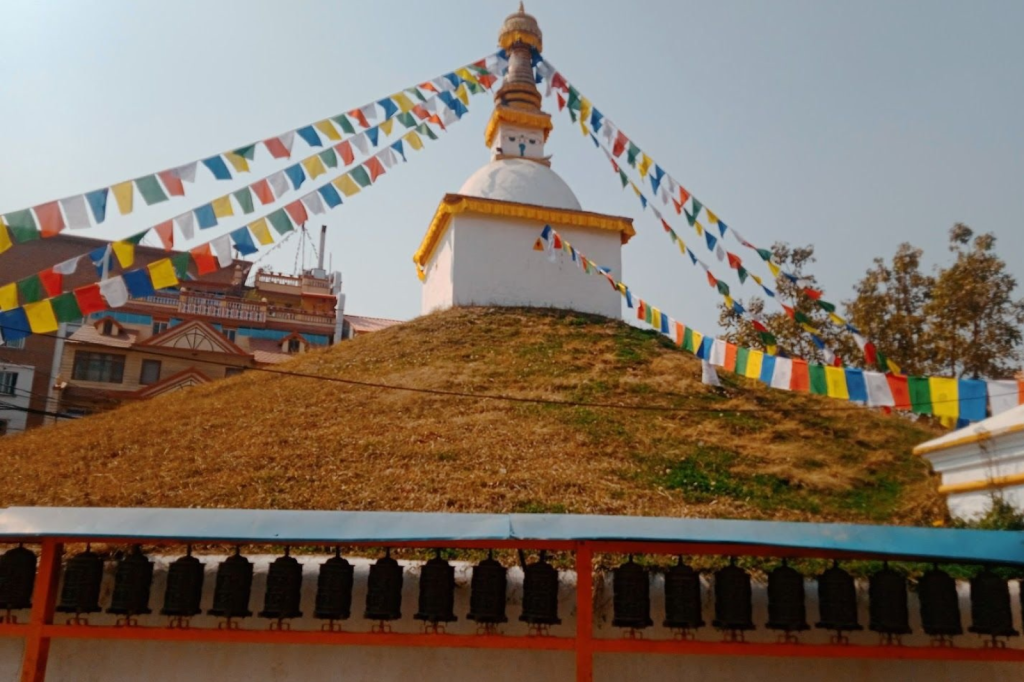
The Western Ashokan Stupa, known locally as Pucho Thura, lies near Pulchowk on the western side of Patan. This stupa marks the western boundary of ancient Lalitpur. The monument has a circular base and a dome made from traditional bricks. Unlike some other stupas, this structure features a pyramidal spire rising directly from the dome.
Many historians believe the four Ashokan stupas together formed a sacred protective circle around Patan. Local residents continue to worship here and maintain traditional rituals passed down through generations. Visitors often stop here while exploring the nearby heritage areas of Pulchowk and Patan Durbar Square.
4.Northern Ashokan Stupa – Ibahi Thura
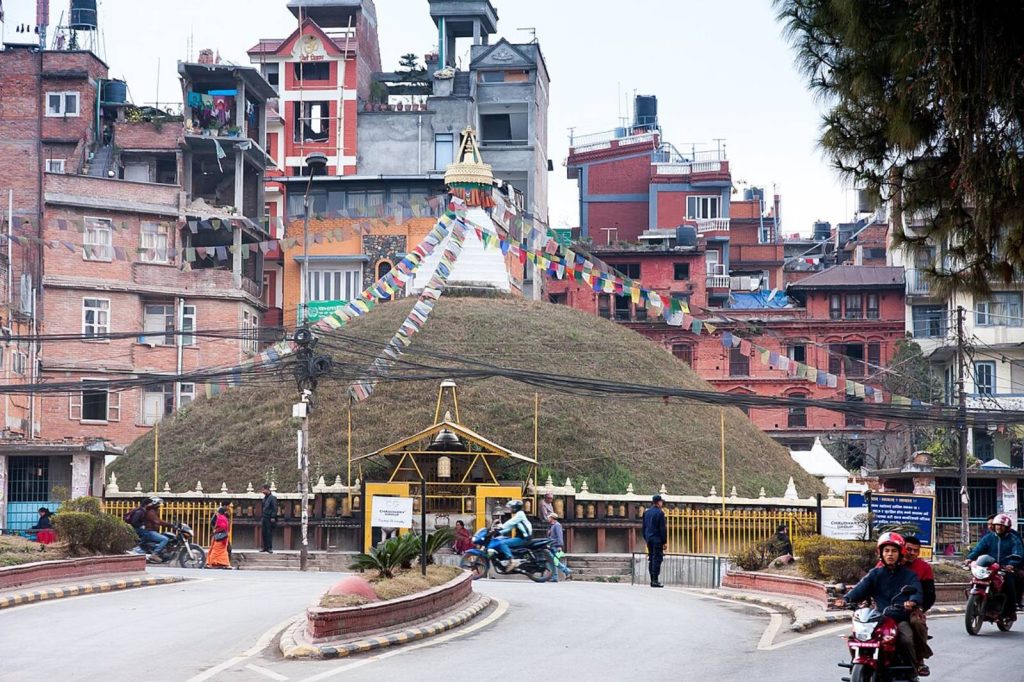
The Northern Ashokan Stupa, called Ibahi Thura, is considered one of the most architecturally detailed Ashokan monuments in Patan. Located near the Ibahil area near Sankhamul road, the stupa resembles the design of the famous Swayambhunath Stupa in Kathmandu. The structure includes a dome, harmika, prayer wheels, and symbolic Buddha figures. According to local tradition, this stupa represents one of the four sacred guardians protecting ancient Patan.
Pilgrims frequently visit the site for meditation and religious offerings. During Buddhist festivals, the area becomes colorful with butter lamps and prayer ceremonies. The stupa also provides visitors with a chance to observe authentic Newar Buddhist culture that continues to thrive in Lalitpur.
5.Patan Durbar Square and Ashokan Buddhist Influence
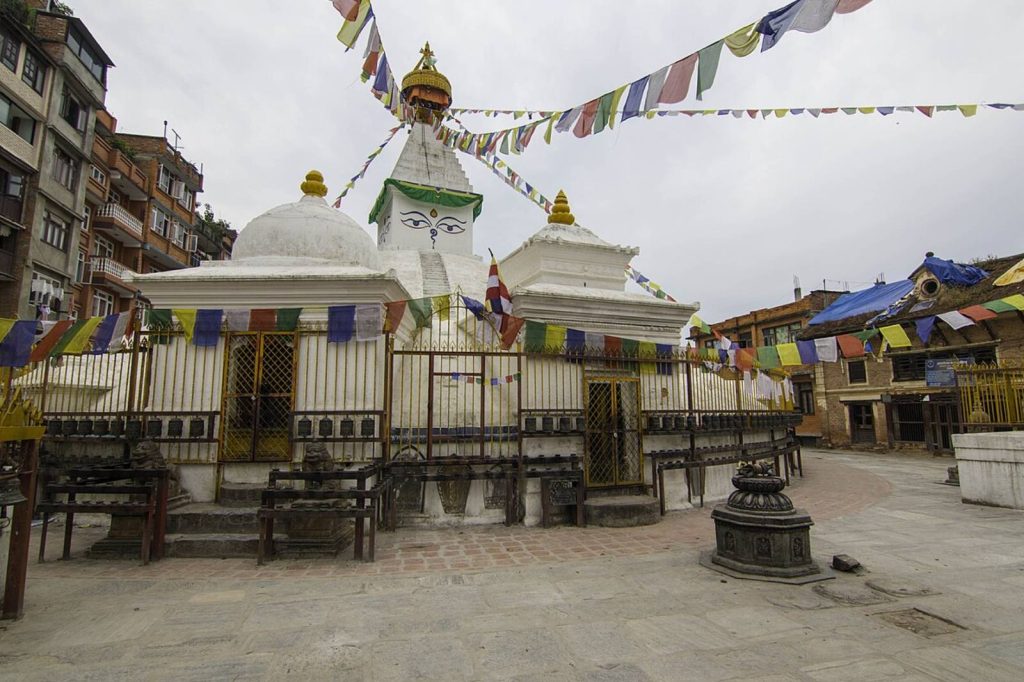
Although not directly built by Emperor Ashoka, Patan Durbar Square strongly reflects the Buddhist influence that spread after Ashoka’s era. The square is filled with ancient temples, monasteries, courtyards, and chaityas. Buddhist art and architecture can be seen in nearly every corner. Historians believe the spread of Buddhism initiated during Ashoka’s time greatly influenced the later development of Patan as a center of Buddhist culture.
Visitors can explore centuries-old monasteries, observe traditional metal craftsmanship, and experience living heritage still practiced by local communities today. Patan Durbar Square is also recognized as a UNESCO World Heritage Site and remains one of Nepal’s most visited cultural destinations.
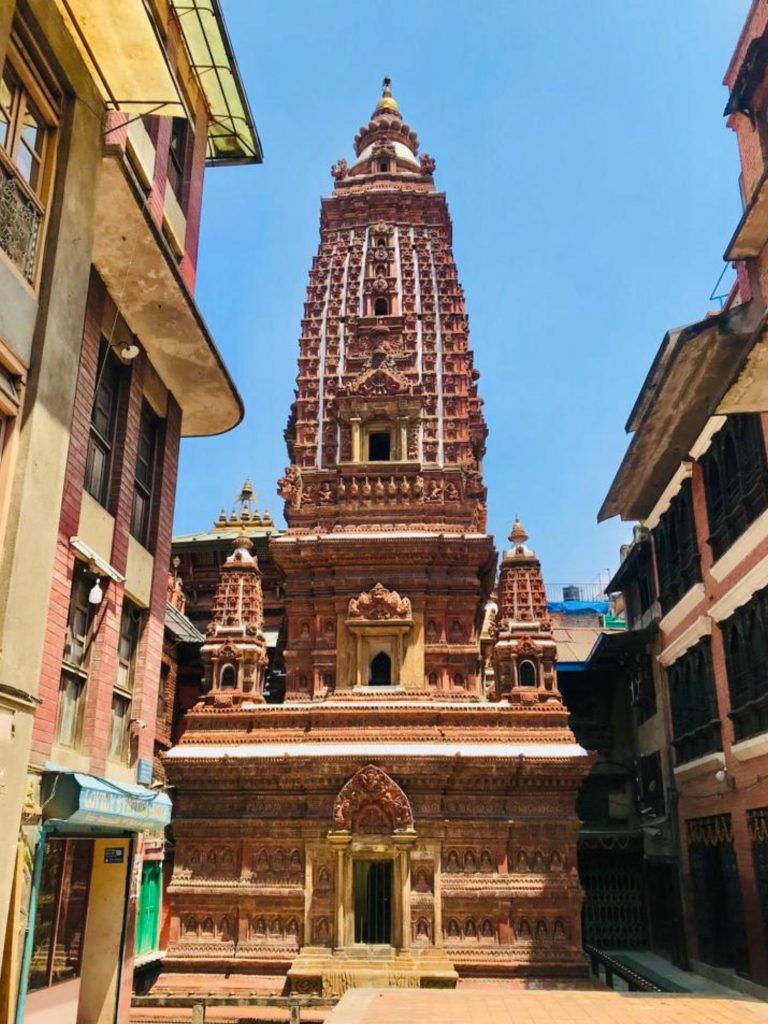
6.Mahabouddha Temple
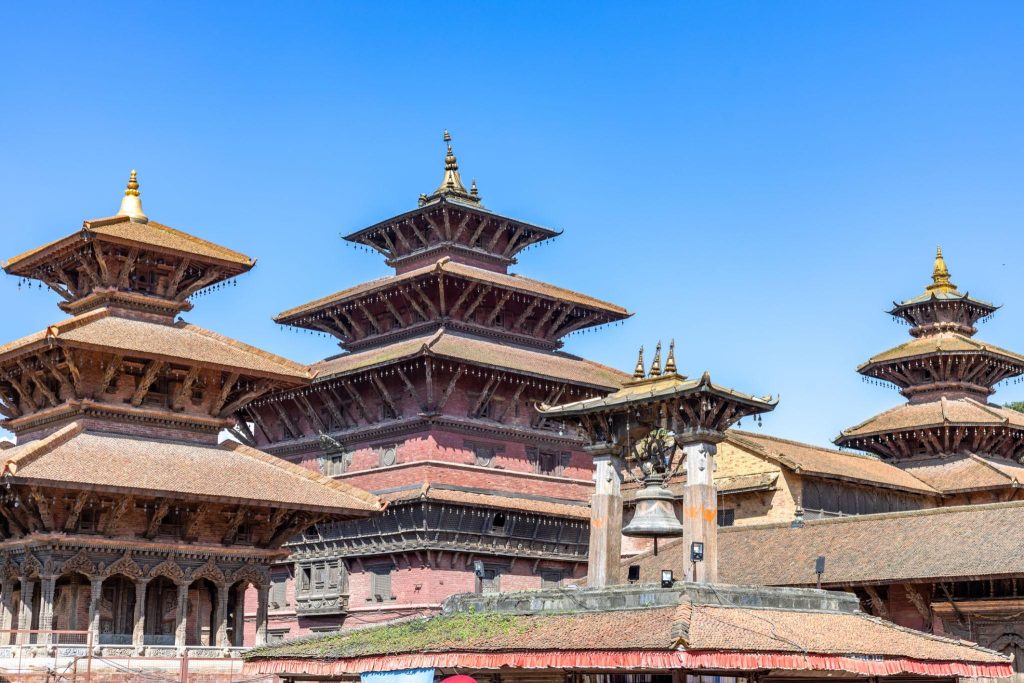
Mahabouddha Temple located at Okubahal, Patan is one of the most beautiful Buddhist monuments in Lalitpur. Though constructed centuries after Ashoka’s era, the temple reflects the strong Buddhist traditions introduced during his time. Known as the “Temple of Thousand Buddhas,” the structure is famous for its terracotta brick carvings containing countless images of Buddha. The temple showcases remarkable Newar craftsmanship and religious artistry.
The peaceful environment around the temple makes it a favorite place for meditation and photography. The monument is considered one of the finest examples of Buddhist architecture in Nepal.
7.Kumbeshwar Area Buddhist Heritage
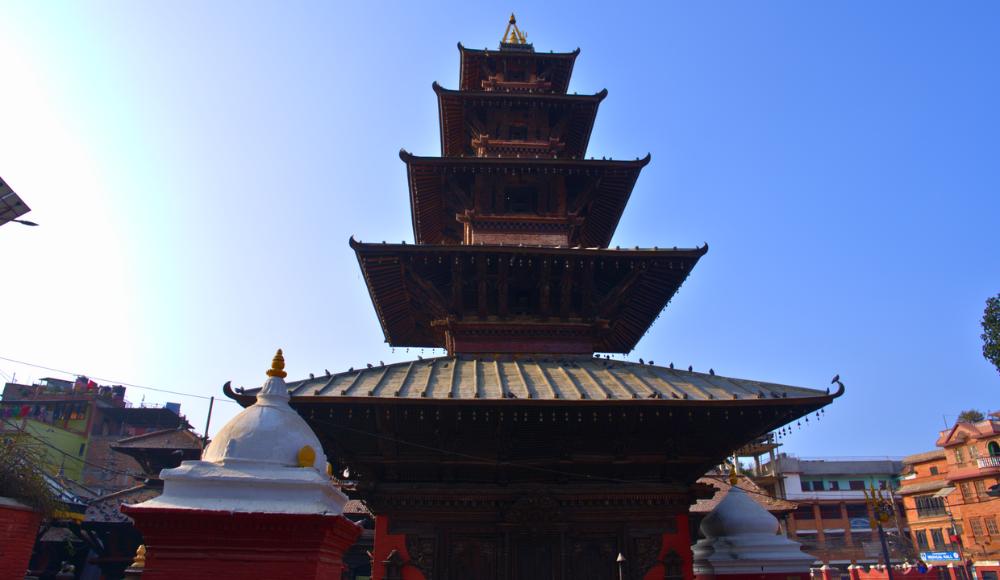
The Kumbeshwar area of Patan showcases the religious harmony that developed in the valley after Buddhism spread through Ashoka’s influence. While Kumbeshwar Temple is mainly a Hindu temple, Buddhist monuments and chaityas surround the area.
This blend of Hindu and Buddhist traditions is one of Lalitpur’s unique cultural characteristics. Ancient courtyards nearby preserve Buddhist rituals, prayer ceremonies, and traditional festivals. Visitors exploring this neighborhood can experience the peaceful coexistence of two major religions that shaped Nepalese history for centuries.
8. Ancient Bahals and Bihars of Patan
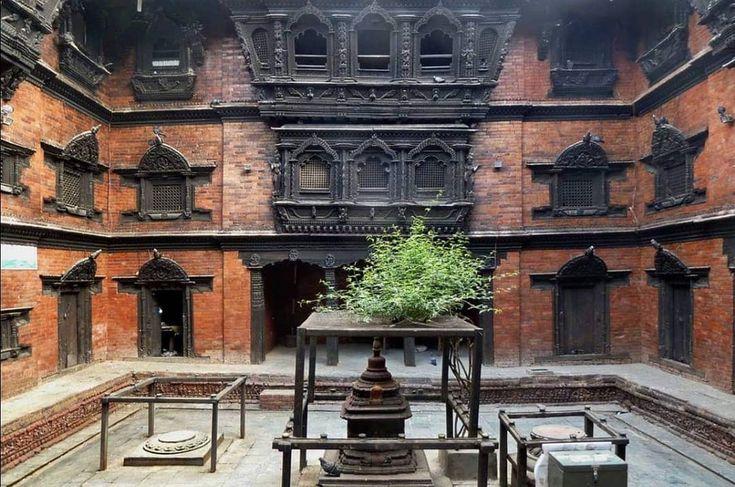
The ancient bahals and bihars scattered across Lalitpur are hidden Buddhist monastery courtyards preserving centuries-old traditions. These structures reflect the long-lasting impact of Buddhism introduced during Ashoka’s time.
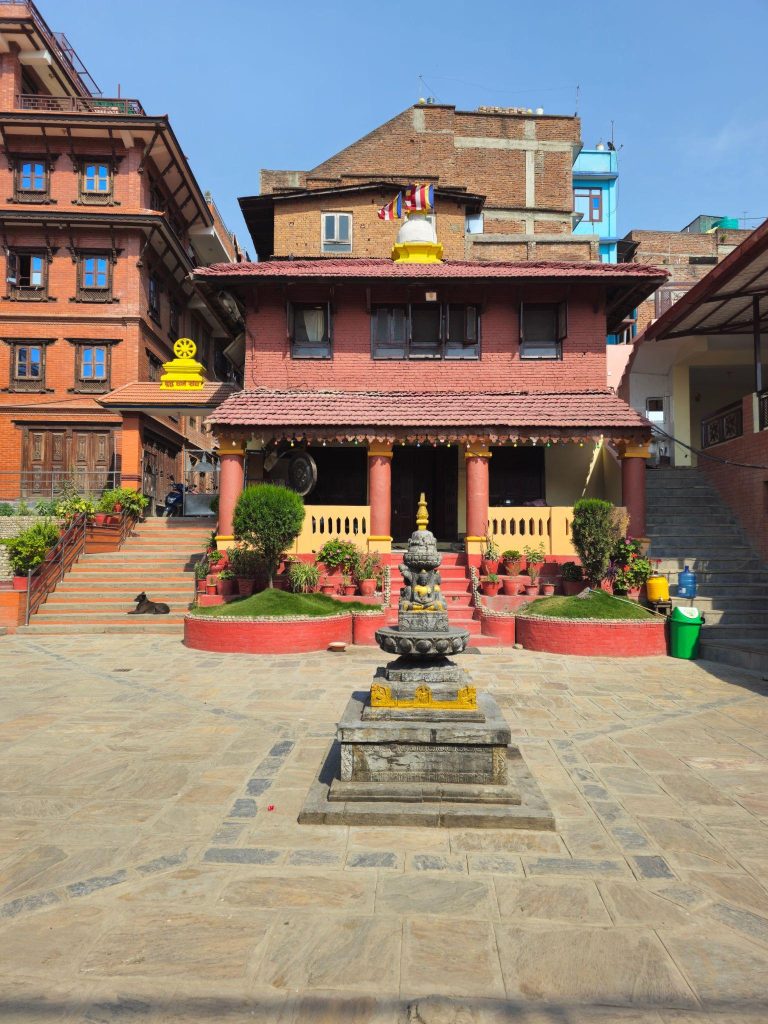
The courtyards contain prayer halls, ancient shrines, chaityas, and sacred statues. Many local families continue to maintain Buddhist rituals and cultural traditions within these monastery communities. Walking through these narrow alleys allows visitors to experience the living heritage of ancient Patan. These hidden monuments are among Lalitpur’s most valuable cultural treasures.
Open courtyard of Bahal of Patan
9 Hiranya Varna Mahavihar (Golden Temple)
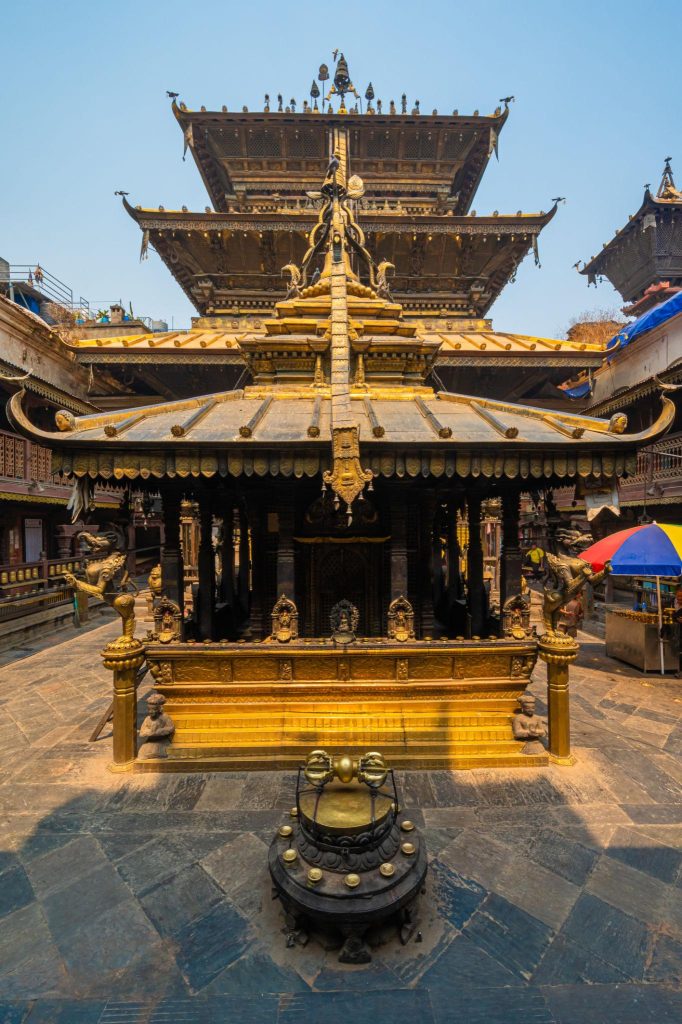
The Golden Temple, officially known as Hiranya Varna Mahavihar, is one of the oldest Buddhist monasteries in Lalitpur. Although built long after Ashoka’s period, the monastery represents the flourishing Buddhist culture that spread across Patan following Ashoka’s influence.
The temple features golden roofs, prayer wheels, ancient statues, and beautifully carved metal decorations. Monks and devotees gather here daily for Buddhist rituals and prayers. Tourists are often amazed by the temple’s artistic beauty and peaceful spiritual atmosphere. The monastery remains an important center for Newar Buddhism in Nepal.
10. Ancient Chaityas Around Patan
Scattered throughout Lalitpur are hundreds of small chaityas inspired by Ashokan Buddhist architecture. These stone and brick shrines are found at crossroads, courtyards, monasteries, and temples.
Most chaityas contain symbolic carvings of Buddhas, prayer symbols, and ancient artistic designs. Many historians believe these smaller monuments reflect the long-lasting impact of Ashoka’s Buddhist mission in the valley.
The chaityas also demonstrate the remarkable craftsmanship of Newar artisans, whose artistic traditions have continued for generations. For photographers and heritage lovers, these hidden monuments offer a fascinating glimpse into the spiritual life of ancient Nepal.
Conclusion
The ancient monuments connected to Emperor Ashoka continue to make Lalitpur one of the most spiritually rich cities in Nepal. From the giant earthen stupas of Patan to the hidden chaityas and monastery courtyards, these sacred sites preserve centuries of Buddhist heritage and artistic brilliance.
Whether you are a traveler, photographer, historian, or spiritual seeker, exploring the Ashokan monuments of Lalitpur offers a memorable journey into Nepal’s ancient past. The peaceful atmosphere, colorful prayer flags, traditional architecture, and living Buddhist traditions create an experience unlike anywhere else in the world. These monuments remind us that the teachings of peace, compassion, and harmony promoted by Emperor Ashoka still inspire people more than two thousand years later.