
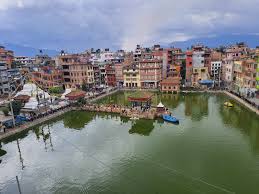
Pimbahal Pukhu is one of the most historically rich and culturally vibrant ponds in Lalitpur. Located just a short walk from the heritage core of Patan, it reflects the deep relationship between water, community life, and urban planning in the Kathmandu Valley. Unlike natural lakes, Pimbahal Pukhu is a man-made pond, yet it feels just as alive shaped by centuries of tradition, stories, and everyday human activity. t has served as an important water source and community space for centuries. Today, it remains a beautiful blend of heritage, architecture, and everyday local life.
Historical and Cultural Importance

Pimbahal Pukhu dates back to around the 14th century, making it one of the oldest ponds in Patan. Historically, such ponds were essential for:
- Water storage for drinking and daily use
- Supporting agriculture and local households
- Acting as a backup system during dry seasons
But beyond its practical role, Pimbahal became a community center. In traditional Newar society, ponds were places where people gathered not just to collect water, but to socialize, celebrate festivals, and perform rituals. Even today, you can see locals sitting around the pond, chatting, feeding fish, or simply enjoying the peaceful surroundings.
Architecture and Surroundings
The pond is surrounded by traditional Newari houses, temples, and resting platforms, giving it a distinctly historic atmosphere. Nearby, you’ll find:
- Small shrines and religious structures
- Traditional courtyards (bahas and bahis)
- Cultural landmarks that connect directly to Patan’s heritage

Its proximity to Patan Durbar Square makes it an easy addition to any cultural tour. Visitors often stop here to take a break from the busy streets and experience a quieter, more local side of Patan.
Myths and Legends:
Pimbahal Pukhu is famous for its fascinating folklore, which adds mystery and charm to the site:

- Built Overnight by Demons (Lakhey):
One popular belief is that supernatural beings known as Lakhey constructed the pond in a single night. - Story of Gaya Baje:
Another legend tells of a man named Gaya Baje who used mystical powers to force demons to dig the pond. - Love Story of a Demon:
A more romantic version suggests that a demon built the pond for his wife so she wouldn’t have to travel far to fetch water. - Symbol of Power and Mystery:
These stories highlight the idea that the pond’s construction was beyond ordinary human ability, giving it a mystical identity.