
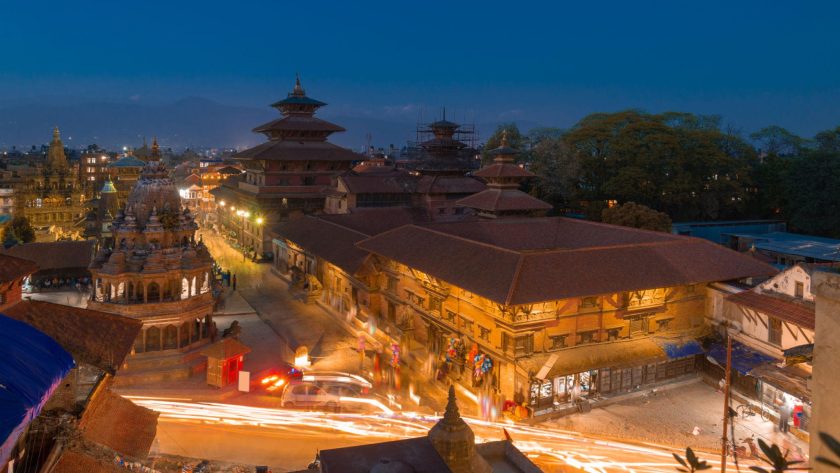
Lalitpur, also called Patan, is one of the most beautiful and historic cities in Nepal. The city is famous for its ancient temples, narrow brick streets, traditional Newari houses, peaceful courtyards, stone water spouts, and colorful local life. The photography spots in Lalitpur offer endless opportunities for beautiful and meaningful photographs. What makes Lalitpur special is that history is still alive here. People still pray in centuries-old temples, artisans still make traditional crafts, and local communities still gather around old public spaces every day.
For photographers, Lalitpur is like an open-air museum filled with stories. Every corner has something interesting to capture — from golden sunlight falling on temple roofs to old women spinning prayer wheels in hidden courtyards. Whether you use a professional camera or a mobile phone, Lalitpur offers endless opportunities for beautiful and meaningful photographs.
Here are the top 10 photography spots in Lalitpur where you can capture the true “living history” vibe.
1 .Patan Darbar Square
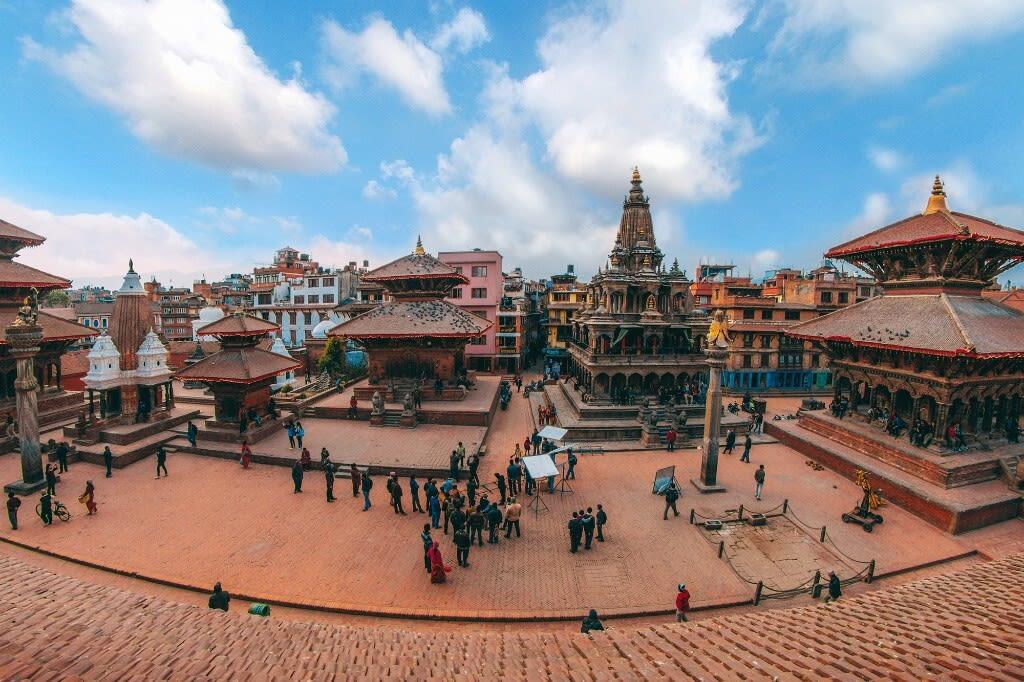
Patan Durbar Square is the cultural heart of Lalitpur and one of Nepal’s most beautiful heritage sites. Ancient temples, royal courtyards, statues, shrines, pigeons, tea shops, and local people all exist together in one vibrant area. Walking through the square feels like entering another century. This place is perfect for photographers because it combines architecture with daily life. Elderly locals sit on temple platforms talking with friends, children chase pigeons across the open square, and worshippers quietly offer flowers and lamps at shrines. Every moment feels natural and timeless.
The square becomes especially magical during sunrise when soft golden light falls on the red-brick buildings. Evening photography is also stunning because warm lights illuminate the temples and create dramatic shadows.
What Makes It Special:
- UNESCO World Heritage atmosphere
- Historic temples and palaces
- Rich local culture
- Endless street photography
2.Hiranya Varna Mahavihar
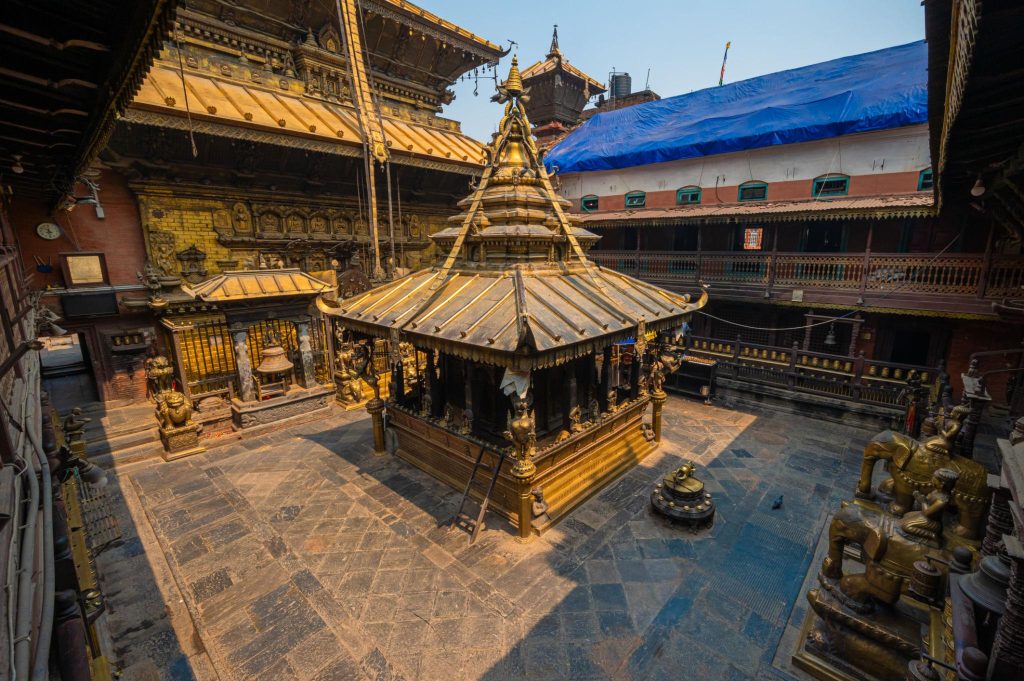
Popularly known as the Golden Temple, Hiranya Varna Mahavihar is hidden inside a narrow alley near Durbar Square. This hidden location makes it feel even more special for photographers.
Inside the courtyard, you will find golden statues, prayer wheels, ancient lamps, and monks moving quietly through the temple grounds. Every corner offers textures, patterns, and spiritual moods that create powerful compositions.
Low light conditions here are excellent for atmospheric photography. The temple shines beautifully when sunlight enters through the courtyard opening and reflects on the golden decorations.
3.Mulchowk
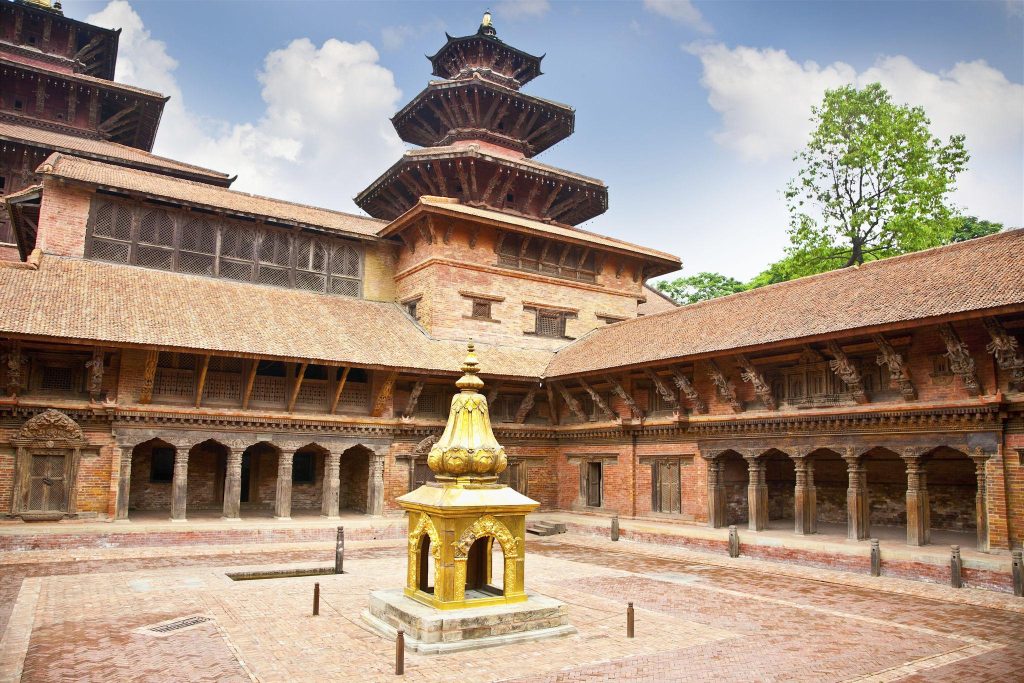
Mulchowk is the largest and most important royal courtyard inside the ancient palace complex of Patan Durbar Square. It was once the ceremonial heart of the Malla kings’ royal palace. The courtyard is especially known for its connection to the goddess Taleju Bhawani, the royal deity of the Malla dynasty.It is the main royal courtyard of the Patan palace complex which is center for royal rituals and ceremonies. It has exceptional Newari woodcarving and architecture .
It is an incredible place for moody heritage photography. The red-brick courtyards, wooden pillars, and sacred Taleju temple create a royal atmosphere filled with history. Unlike the busy outer square, Mul Chowk feels quieter and more intimate. It is perfect for photographers looking to capture symmetry, shadows, and architectural depth. The best shots come during late afternoon when sunlight enters the courtyard diagonally, creating dramatic highlights and shadows on the wooden carvings.
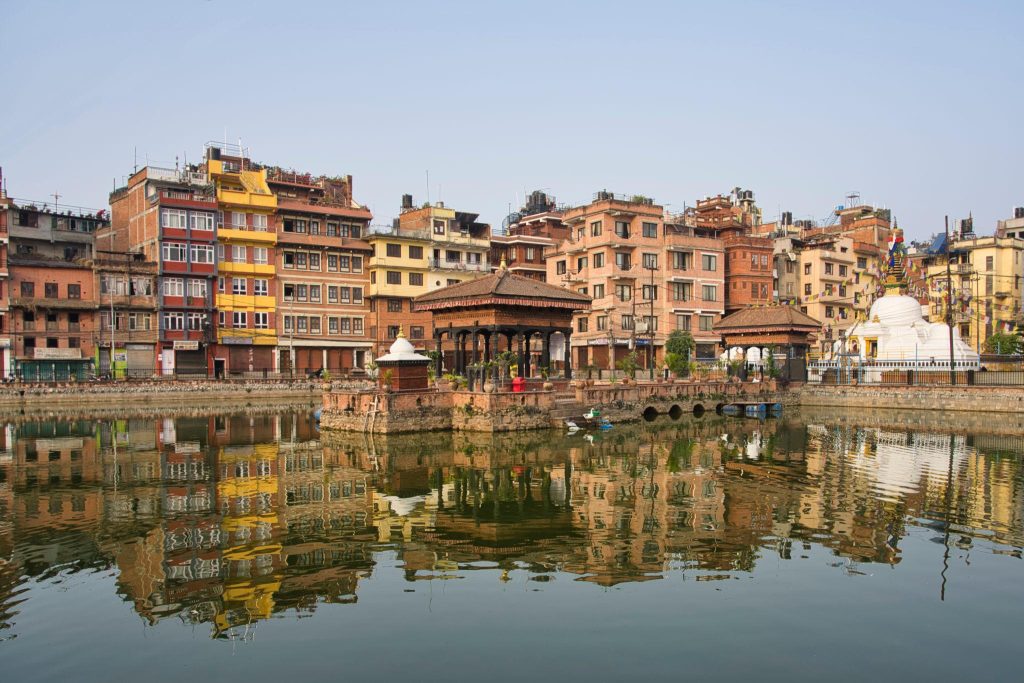
4.Pimbahal Pokhari
Pimbahal is a historic neighborhood in old Lalitpur centered around the beautiful Pimbahal Pokhari (pond). It is one of Patan’s most peaceful heritage areas, known for its calm water reflections, traditional Newari surroundings, and spiritual atmosphere.
The pond is also historically connected to Buddhist and local community traditions.Cultural atmosphere
Pimbahal has a strong:
- Peaceful heritage vibe
- Slow everyday rhythm
- “Living history” feeling
- Local community character
Unlike busy tourist areas, Pimbahal feels more intimate and residential.
Why Pimbahal is special
- Ancient pond and community space
- Relaxed heritage atmosphere away from crowded squares
- Beautiful reflection photography location
- Blend of daily life, spirituality, and architecture
5.Patan Museum
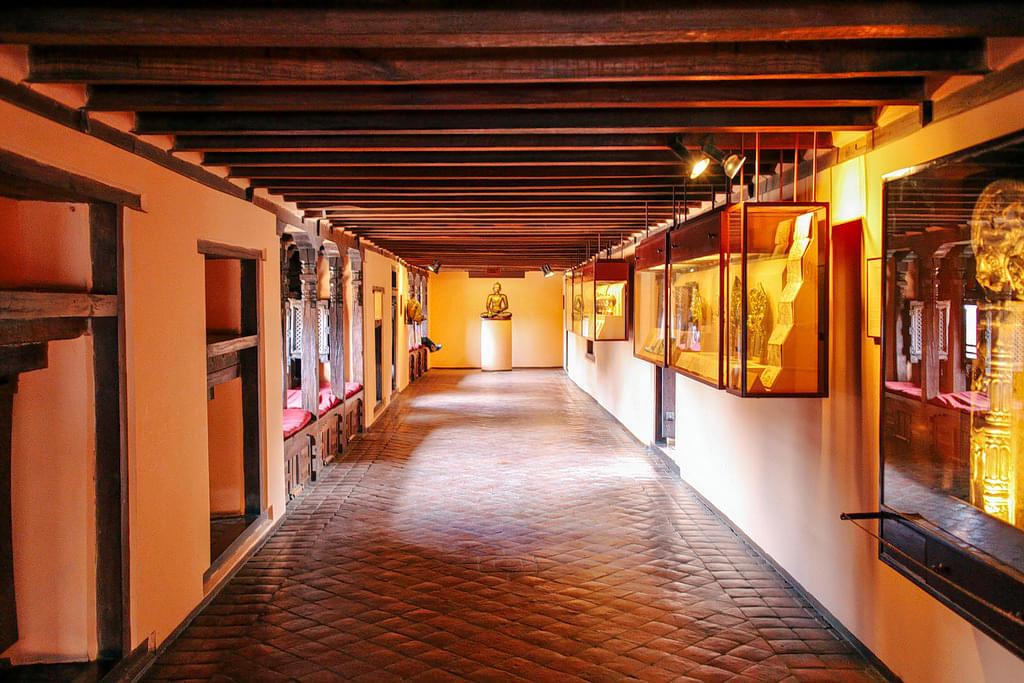
The Patan Museum is one of the finest museums in Nepal and one of the best places to understand the art, religion, and history of the Kathmandu Valley. It is located inside the restored royal palace complex at Patan Durbar Square.
The museum is internationally respected for its beautifully preserved Newar architecture and extraordinary collection of sacred art.
Why Patan Museum is special
- World-class collection of traditional Nepali art
- Located inside a restored Malla palace
- Excellent explanations of Hindu and Buddhist symbolism
- Peaceful courtyards with exceptional architecture
What you can see inside
- Bronze and copper statues of Hindu and Buddhist deities
- Traditional paubha paintings
- Ancient religious objects and ritual items Stone sculptures and carvings
- Beautiful royal courtyards and wooden architecture
Patan Museum is the best place in Patan to experience the artistic and spiritual heritage of Nepal in a beautifully restored royal palace setting.
6.Tusha Hiti
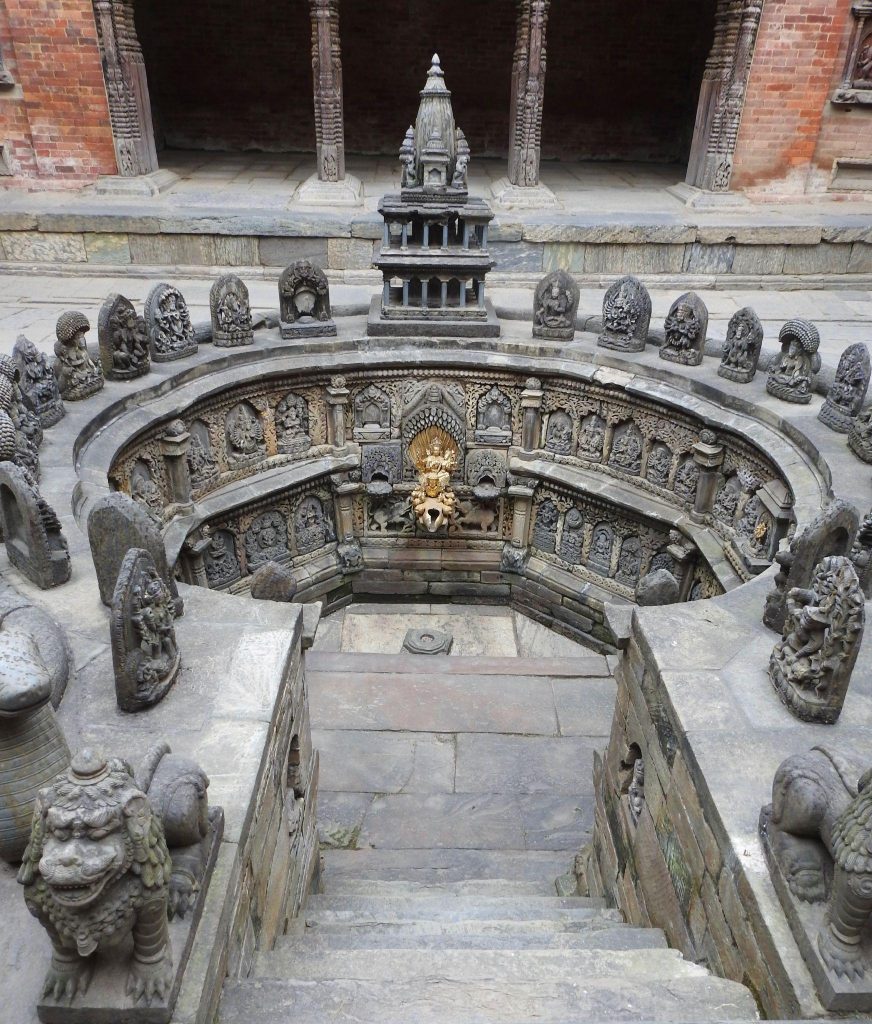
Tusha Hiti is one of the finest royal stone water spouts in Patan Durbar Square. It is located inside the beautiful Sundari Chowk and is considered a masterpiece of Newar art, architecture, and water engineering.
Why Tusha Hiti is famous
- It is famous as as a royal bathing area for Malla kings,
- Exceptional stone carvings and metalwork
- Important example of ancient water management technology
- One of the most photographed heritage details in Patan
The hiti features:
Intricately carved stone spouts
Sacred serpent and mythical motifs
Sunken water tank design
Fine Newari wood and stone craftsmanship
Symmetrical courtyard architecture
7.Mahabuddha Temple
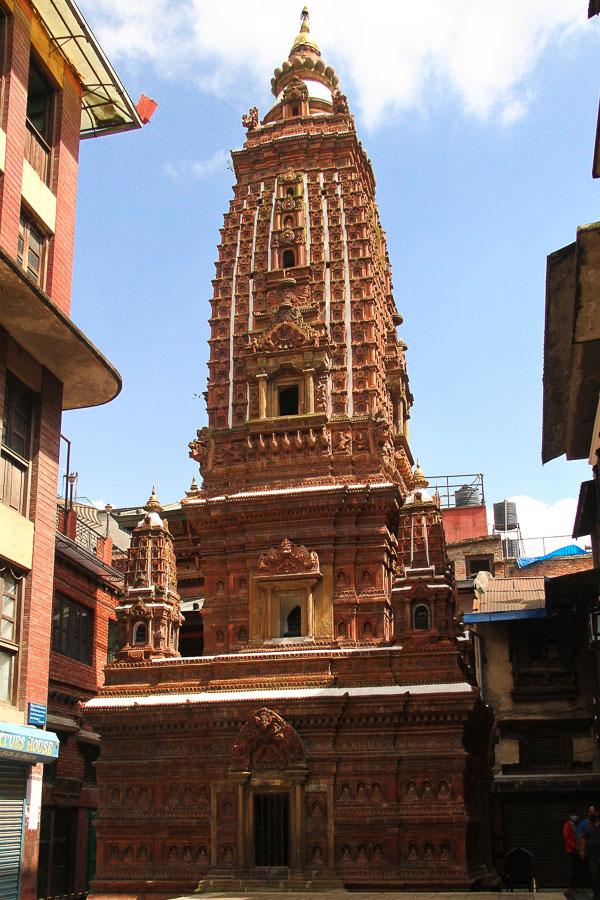
The Mahabouddha Temple is one of the most unique and beautiful Buddhist temples in Lalitpur (Patan). It is often called the “Temple of a Thousand Buddhas” because thousands of small Buddha images are carved into its terracotta bricks.The temple was originally built in the 16th century by the Newar artisan and priest Abhaya Raj.
Why is it special
- Built mainly with terracotta bricks
- Inspired by the famous Mahabodhi Temple in Bodh Gaya, India
- Known for its detailed Newar craftsmanship and peaceful atmosphere
- A major example of traditional Nepali Buddhist architecture
8.Krishna Mandir
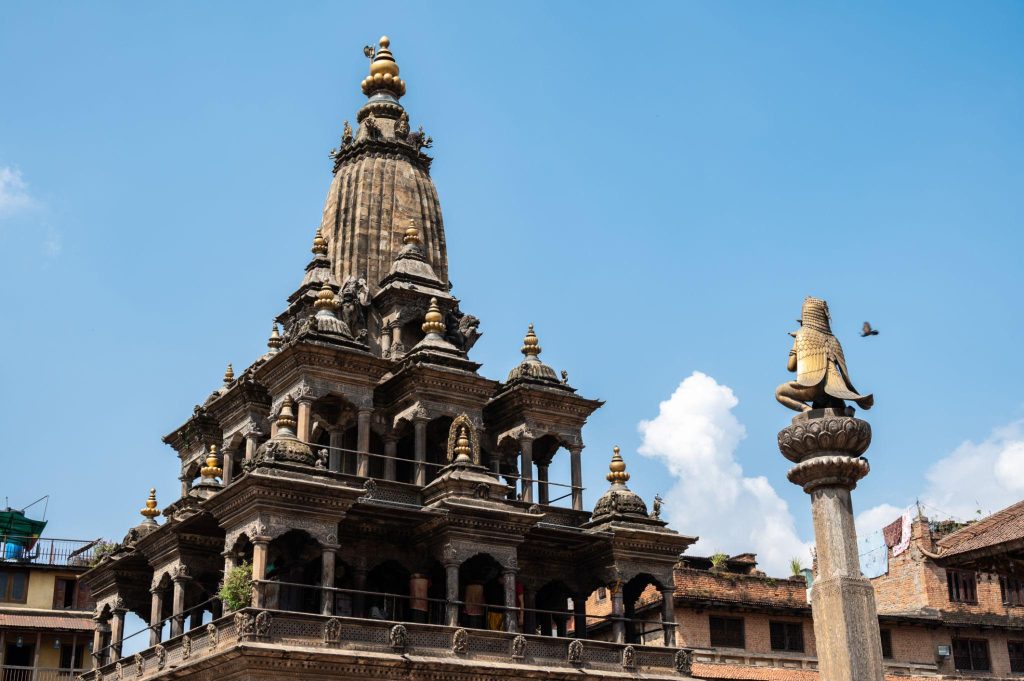
Krishna Mandir is one of the most famous temples inside Patan Durbar Square. Unlike many wooden temples in Nepal, this temple is made completely from stone. The architecture is inspired by Indian temple style and contains beautiful carvings from Hindu epics like the Ramayana and Mahabharata. It is one of the finest examples of Shikhara-style architecture in Nepal. It is a UNESCO World Heritage Site highlight within Patan Durbar Square.
Krishna Mandir is the stone heart of Patan Durbar Square, showing the peak of Newar art, devotion, and architecture. The temple also looks amazing during rainy weather when the wet stones create reflections on the ground.
9.Kumbheshwar Temple
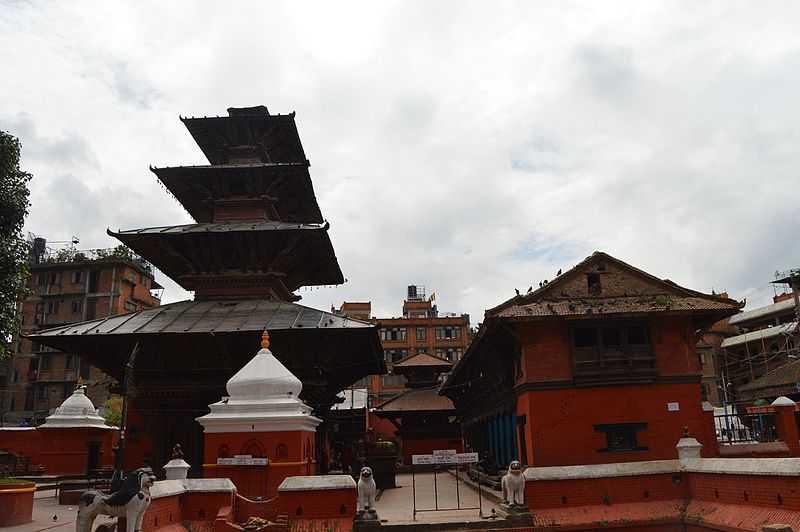
The Kumbheshwar area is one of the oldest and most spiritual neighborhoods in Lalitpur. The area is centered around the historic five-tiered Kumbheshwar Temple dedicated to Lord Shiva, originally built in the 14th century during the Malla era.
The temple complex also contains sacred ponds and smaller shrines.
Kumbheshwar Temple area offers a quieter and more spiritual side of Lalitpur. The neighborhood around the temple contains old houses, hidden courtyards, resting locals, and peaceful prayer scenes.
What makes the area special
- Ancient Newari settlement with narrow brick lanes
- Traditional courtyards, hiti systems, and temples
- Strong blend of Hindu and Buddhist heritage
- Authentic “living history” atmosphere for photography and cultural walks
Photographers who want authentic local moments without large tourist crowds will enjoy this area. During festivals, the streets become colorful with lights, flowers, and traditional music. The area is especially beautiful during early morning when locals begin their daily routines.
10.Manga Hiti
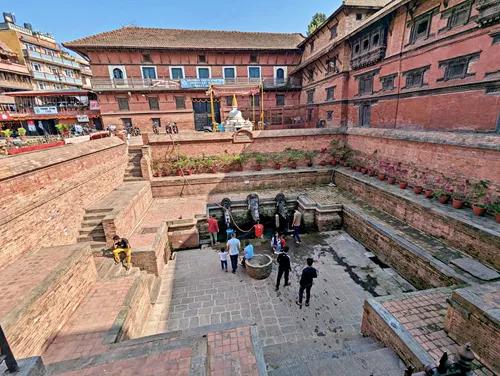
Manga Hiti is an ancient stone water spout, or dhunge dhara, located in Mangalbazar, within Lalitpur (historically Patan). It is among the oldest functional examples of the traditional Newar hiti system—an elaborate gravity-fed water supply network that once sustained settlements throughout the Kathmandu Valley. The site remains a key architectural and cultural landmark within Patan Durbar Square, a UNESCO World Heritage Site.
Historically, local residents gathered here daily for:
- Drinking water
- Washing and cleaning
- Religious purification rituals
- Social interaction and community bonding
Even today, many people visit Manga Hiti not only for water but also to connect with Patan’s traditional heritage. Local people still use it daily, making it a perfect symbol of living heritage
Final Thoughts
Lalitpur is more than just a historic city. It is a place where ancient culture is still part of everyday life. Temples are still active, water spouts are still used, and traditional craftsmanship continues in old neighborhoods. This is why Lalitpur feels like “living history.”
For photographers, the city offers:
- Beautiful architecture
- Rich culture
- Emotional street scenes
- Peaceful spiritual moments
- Historic textures and details
The best way to photograph Lalitpur is to walk slowly, respect local traditions, and enjoy the atmosphere. Sometimes the most powerful photos are not famous monuments but small everyday moments — an old man reading near a temple, a child playing in a courtyard, or sunlight falling on ancient brick walls. In Lalitpur, history is not hidden in museums. It lives in the streets, temples, markets, and people every single day.