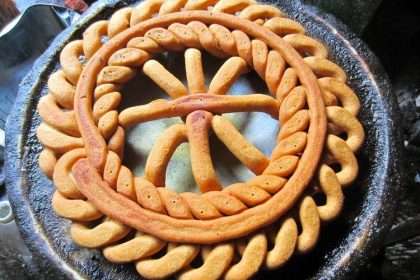
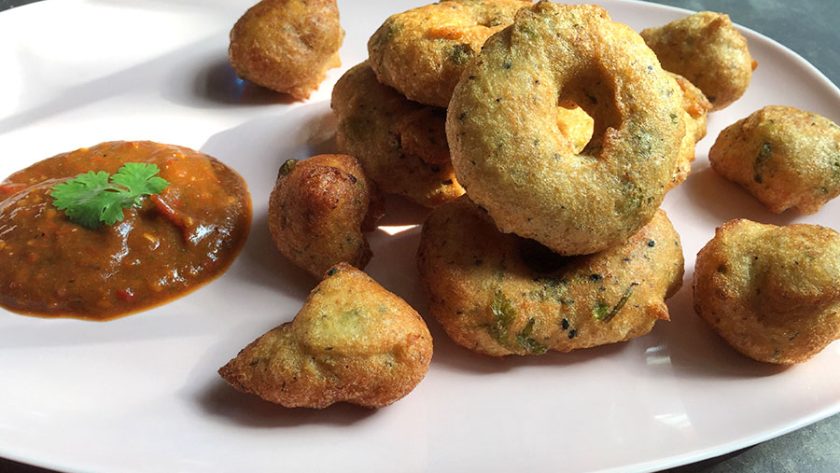
Difference between Bara & Woh
Have you ever seen two snacks that look similar yet taste entirely different? That is the case with Bara and Woh. Both are delicious, fried treats. However, while they are closely related, they are not exactly the same.
Bara
Bara is a famous traditional dish of Nepal, especially popular in Newari culture. First, home cooks soak whole black lentils overnight and blend them into a thick batter. After that, they add aromatic spices to improve the taste profile. They fry the final mixture in hot cooking oil until it becomes crispy outside and soft inside. Moreover, people often enjoy fresh bara with fried eggs, minced meat, or spicy pickles. Consequently, many Nepalese households love bara for its rich authentic taste and deep cultural importance. In conclusion, this unique lentil cake represents a core element of Nepalese cuisine.
In addition, you can go through the attached video for the full recipe
Types of Bara
- Sada Bara (Plain Bara): This classic, vegetarian version uses only seasoned black lentil batter without any extra toppings.
- Khen Bara (Egg Bara): Chefs crack and cook a seasoned, beaten egg directly on top of the frying lentil patty.
- Chhoyela Bara: Street vendors serve the hot, plain lentil cake alongside spicy, marinated grilled meat (Chhoyela).
- Mee Bara (Meat Bara): Cooks press spiced minced meat directly onto the lentil batter during the frying process.
- Mixed Bara: This premium option combines both a fried egg and spiced minced meat on a single lentil patty
Here’s how people usually make Bara:
- First, grind overnight-soaked whole black lentils into a thick, fluffy paste.
- Next, mix in ginger, garlic, turmeric, a pinch of asafoetida, and salt.
- After that, shape small portions of the thick batter into round, thick patties.
- Finally, fry the patties in hot mustard oil until golden and crispy.
Woh
Woh, also spelled Wo or Waa, is actually the original Newari name for bara. In fact, this snack represents much more than simple food. It holds deep ritual importance within Newar society. For example, locals commonly prepare it during festivals and family feasts, which are known as bhoye. They also make it for sacred offerings and life-cycle ceremonies like weddings. Regarding its texture, woh is much thinner and crispier. Furthermore, cooks use green gram or black lentil paste. Consequently, this delicacy remains a true symbol of cultural pride across Nepal.

In addition, you can go through the attached video for the full recipe
Types of Woh
- Sada Woh (Plain Woh): The traditional, vegetarian version made purely from seasoned green gram or black lentil paste without any extra toppings.
- Khen Woh (Egg Woh): A popular variation where a seasoned, beaten egg is poured and cooked directly on top of the sizzling lentil patty.
- Mee Woh (Meat Woh): A savory version where spiced minced meat (traditionally water buffalo meat or chicken) is pressed onto the batter while frying.
- Khen-Mee Woh (Mixed Woh): A premium, heavy combination featuring both a fried egg and minced meat cooked together on a single lentil patty.
- Chhoyela Woh: A classic feast combination where the hot lentil cake is served topped with or alongside spicy, marinated grilled meat (Chhoyela).
Here’s how people usually make Woh:
The steps are almost the same:
- First, grind overnight-soaked green gram or black lentils into a smooth, thick paste.
- Next, mix in minced ginger, garlic, turmeric, asafoetida, and salt to enhance the flavor profile.
- After that, flatten small portions of the seasoned batter into thin, round patties.
- Finally, pan-fry the patties in hot mustard oil until they become golden and beautifully crispy.
Origin and Background
- Bara & Woh originated in the Kathmandu Valley-mainly in historic cities like Kathmandu, Patan, and Bhaktapur.
| Feature | Bara | Woh |
| Cooking Method | Often deep-fried or shallow-fried | Pan-fried (light oil) |
| Texture | Crispy on the outside, dense inside | Soft, fluffy, and pancake-like |
| Shape | Flatter, sometimes a hole in the middle | Thicker, roughly round |
| Common Use | Everyday snack/casual food | Festival/religious occasions (sagun) |
| Name Origin | Everyday snack/casual food | Native Newari language |
Best place for finding these foods near Lalitpur.
Where to Find Traditional Newari Food
1. Newa Ghasa
This popular, modern restaurant chain brings classic Newari culinary traditions into a clean, family-friendly dining environment.
2. Honacha
This iconic eatery near Patan Durbar Square cooks legendary, stone-fried items using recipes passed down through generations.
3. Bhatti Jaam
This hidden local tavern near Patan Sundhara serves authentic, deeply traditional Newari dishes to a loyal crowd everyday.