The Historic Pond That Connects Nature, Culture, and Community
About Mal Pokhari
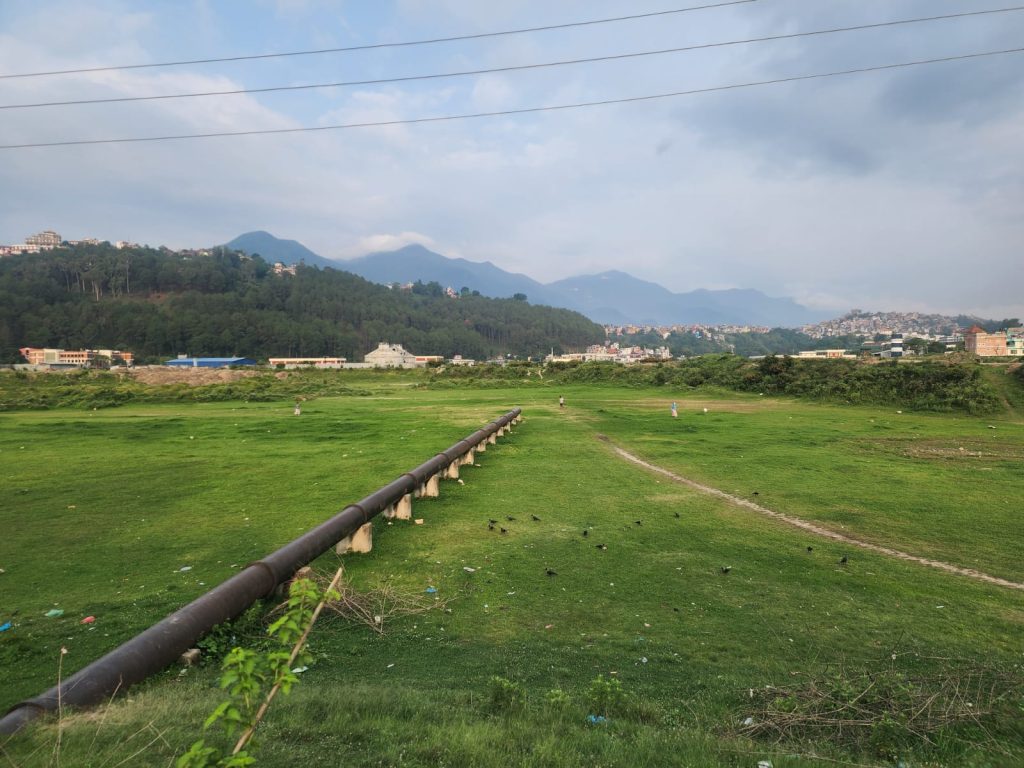
Have you ever wondered how people collected water before taps and pipelines existed? Long ago, ponds played a very important role in daily life. One such historic pond is Mal Pokhari Dhobighat Lalitpur.
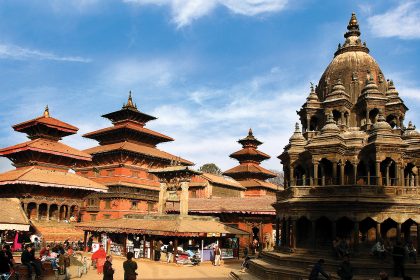
Located in the heart of Dhobighat, this pond is more than just a water body. It is a symbol of local history, culture, and community life. Even today, many people recognize Mal Pokhari as an important heritage site in Lalitpur.
Where Is Mal Pokhari Located?
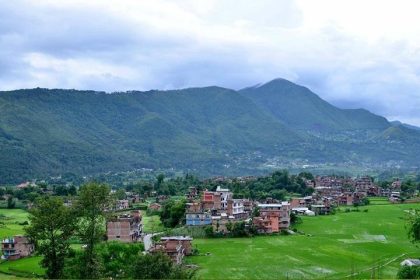
Mal Pokhari is located in Dhobighat, Lalitpur, one of the busiest residential areas in the Kathmandu Valley.
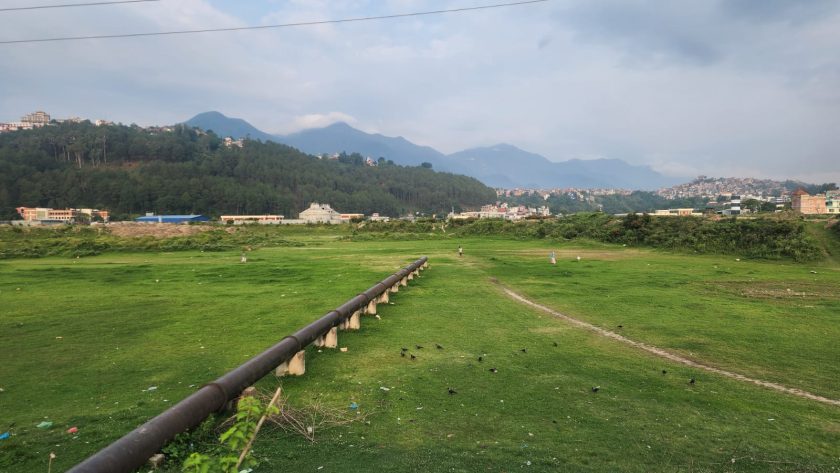
Today, the area is surrounded by houses, roads, schools, and businesses. However, the pond still remains a valuable part of the local landscape and heritage.
Why Is It Called Mal Pokhari?
Many people are curious about the name “Mal Pokhari.”
The word “Pokhari” means pond in Nepali. The word “Mal” is believed to be connected to land management, local resources, or property administration from earlier times.
According to local stories, the pond may have been associated with land records or community resources. Because of this connection, local people began calling it “Mal Pokhari.”
Although no exact historical document confirms the origin of the name, it has been used by residents for generations.
History of Mal Pokhari Dhobighat Lalitpur
The exact date when Mal Pokhari was built is unknown. However, many local residents believe the pond has existed for a very long time.
Like many traditional ponds in the Kathmandu Valley, Mal Pokhari was created to collect rainwater and support local communities.
Before modern water systems were introduced, ponds were extremely important for daily life. People depended on them for water, farming, and social activities.
What Was Mal Pokhari Used for in the Past?
In earlier times, Mal Pokhari was an active community space.
Water Collection
Before pipelines reached every home, local people often collected water from ponds and nearby water sources.
The pond helped meet daily water needs for households and nearby farms.
Community Gatherings
People often gathered around the pond to meet friends, discuss local issues, and celebrate special occasions.
The pond served as a natural meeting place for the community.
Religious Activities
Many traditional ponds in Nepal have religious importance.
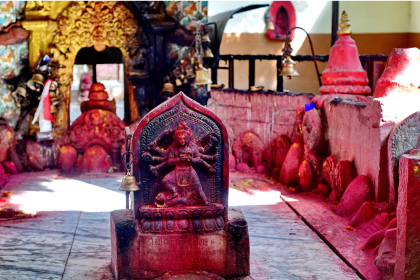
Local people sometimes offered prayers and performed rituals near the pond, especially during important festivals.
Agricultural Support
The pond helped maintain water levels in nearby land.
As a result, it supported farming activities and helped crops grow.
How Has Mal Pokhari Changed Over Time?
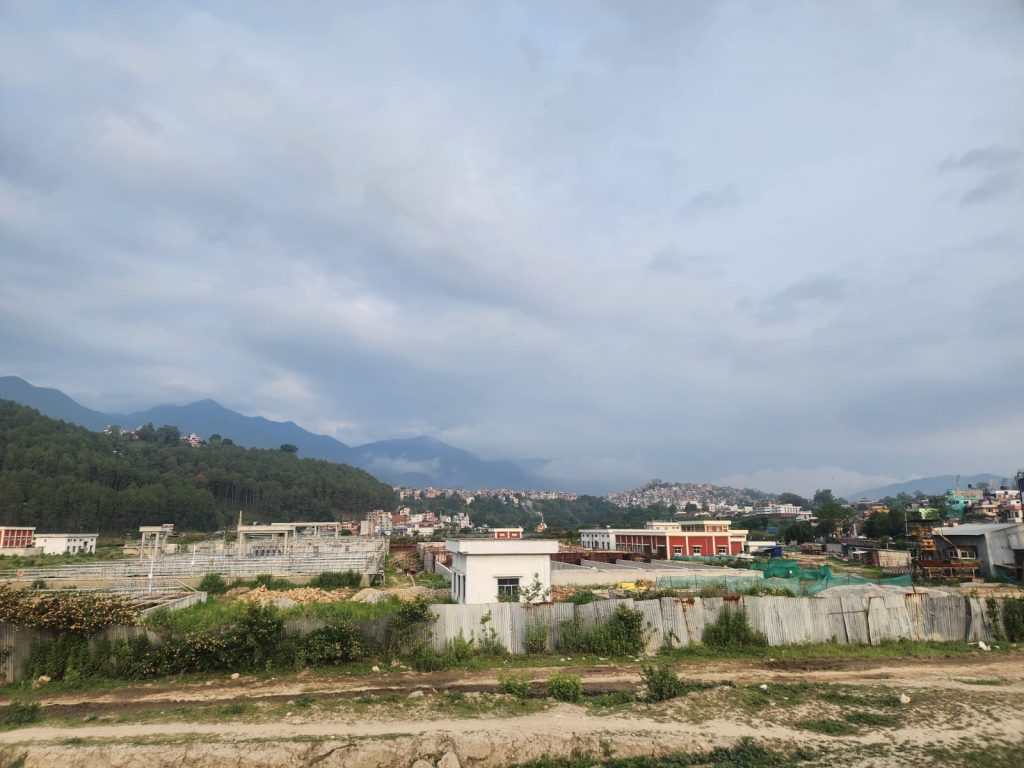
Over the years, Dhobighat has changed significantly.
New roads, buildings, and modern facilities have replaced much of the old landscape. As the city expanded, the role of traditional ponds also changed.
Today, people no longer depend on Mal Pokhari for daily water use. However, its historical and environmental value remains important.
What Is Mal Pokhari Used for Today?
Although its original purpose has changed, Mal Pokhari still serves several useful functions.
Environmental Protection
The pond helps store rainwater and supports local biodiversity.
It also contributes to groundwater recharge, which helps maintain underground water supplies.
Heritage Conservation
Mal Pokhari reminds people of Lalitpur’s traditional water management system.
It helps preserve an important part of local history and culture.
Community Space
Residents often visit the area for relaxation and short walks.
The peaceful environment provides a welcome break from busy city life.
Activities People Enjoy at Mal Pokhari
Many visitors and local residents enjoy spending time around the pond.
1. Walking and Relaxation
People visit the area to enjoy fresh air and a peaceful atmosphere.
2. Photography
The pond and its surroundings provide beautiful photo opportunities.
Many visitors capture images of the water, trees, and local scenery.
3. Learning About Heritage
Students, researchers, and history lovers visit Mal Pokhari to learn about traditional water systems in Nepal.
4. Environmental Programs
Local organizations sometimes organize cleaning campaigns and awareness programs to help protect the pond.
Why Is Mal Pokhari Important?
Mal Pokhari remains important for several reasons.
Cultural Importance
The pond preserves local traditions and community memories.
It connects present generations with the history of the area.
Historical Importance
The pond shows how people managed water resources before modern technology existed.
It serves as a living example of traditional urban planning.
Environmental Importance
Mal Pokhari helps recharge groundwater and supports local ecosystems.
Water bodies like this also improve the surrounding environment.
Educational Importance
Students can learn about conservation, history, and traditional water management by visiting sites like Mal Pokhari.
Challenges Facing Mal Pokhari
Like many heritage ponds, Mal Pokhari faces several challenges.
Some of these include:
- Urban development
- Pollution
- Waste disposal
- Encroachment
- Lack of public awareness
Without proper care, important heritage sites can slowly lose their value.
Conservation Efforts
Fortunately, local communities and organizations understand the importance of preserving Mal Pokhari.
Several efforts focus on:
- Pond cleaning
- Environmental awareness
- Heritage conservation
- Community participation
These activities help protect the pond for future generations.
Conclusion
Mal Pokhari Dhobighat Lalitpur is much more than a pond. It is a valuable part of the area’s cultural, historical, and environmental heritage.
For many years, it supported local communities and played an important role in daily life. Today, it continues to remind people of the importance of water conservation and heritage preservation.
As Lalitpur continues to grow, protecting places like Mal Pokhari becomes even more important. By preserving this historic pond, we help protect both nature and local history for future generations.