Hisstory of Khokana: The Story of Nepal’s Most Ancient Village!
The Khokana history stretches back more than 1,500 years. While most cities around the world were just getting started, Khokana was already a thriving community with its own traditions, festivals, and way of life. Therefore, understanding this village means understanding a big piece of Nepal’s soul.
What Is Khokana?
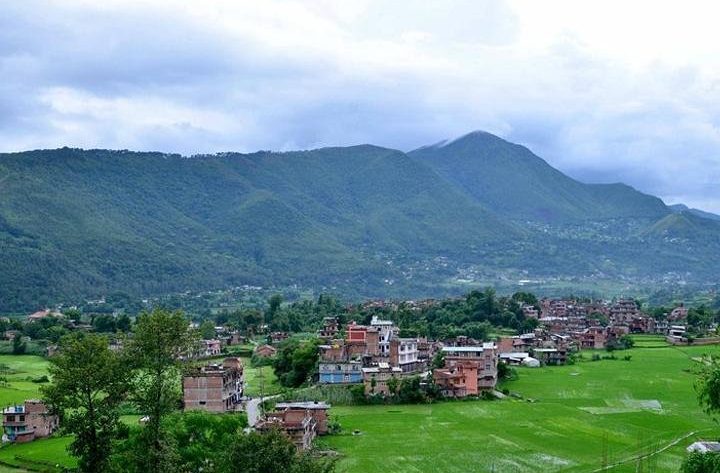
Before we study about the history of Khokana, let’s first understand what this place actually is. Khokana is a small but historically rich village located in the Lalitpur District of Nepal. It sits about 8 to 10 kilometers south of Kathmandu city. Even though it’s very close to Nepal’s busy capital, Khokana feels completely different. The streets are narrow and paved with old bricks. The houses are made of traditional Newari-style architecture. And the people still follow customs that are hundreds of years old. Khokana is part of the Bagmati Province and belongs to the greater Kathmandu Valley region.

The Origins of Khokana History
How Old Is Khokana?
Historians and researchers believe that Khokana was established during the Licchavi period of Nepal. This period lasted roughly from the 4th to the 9th century AD. So, the village is well over a thousand years old! The Licchavi era was a golden age for the Kathmandu Valley. During this time, powerful kings ruled the land, grand temples were built, and trade routes connected Nepal to India and Tibet. As a result, small settlements like Khokana grew into organized communities with strong cultural identities. Evidence of this ancient past still exists today. Old inscriptions, temple structures, and traditional practices in Khokana all point back to this early period of history. Therefore, every corner of this village is like a page from a very old history book still open and readable for those who look carefully!
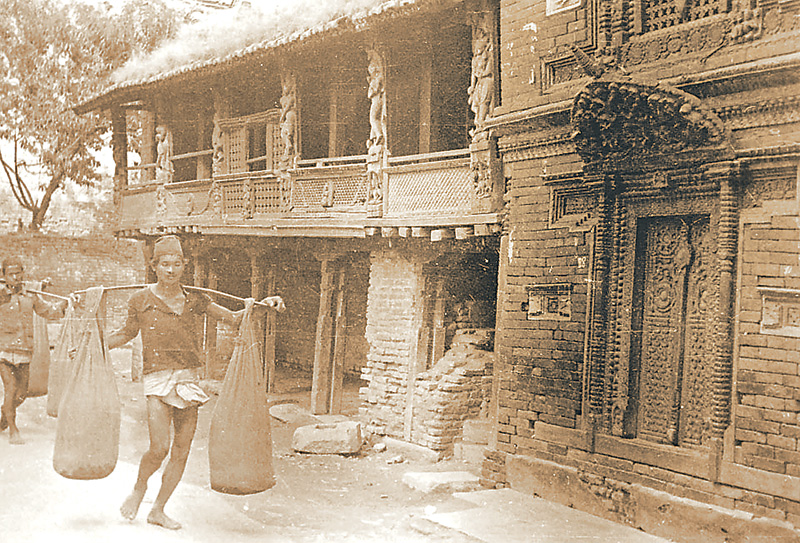
The Newar Community
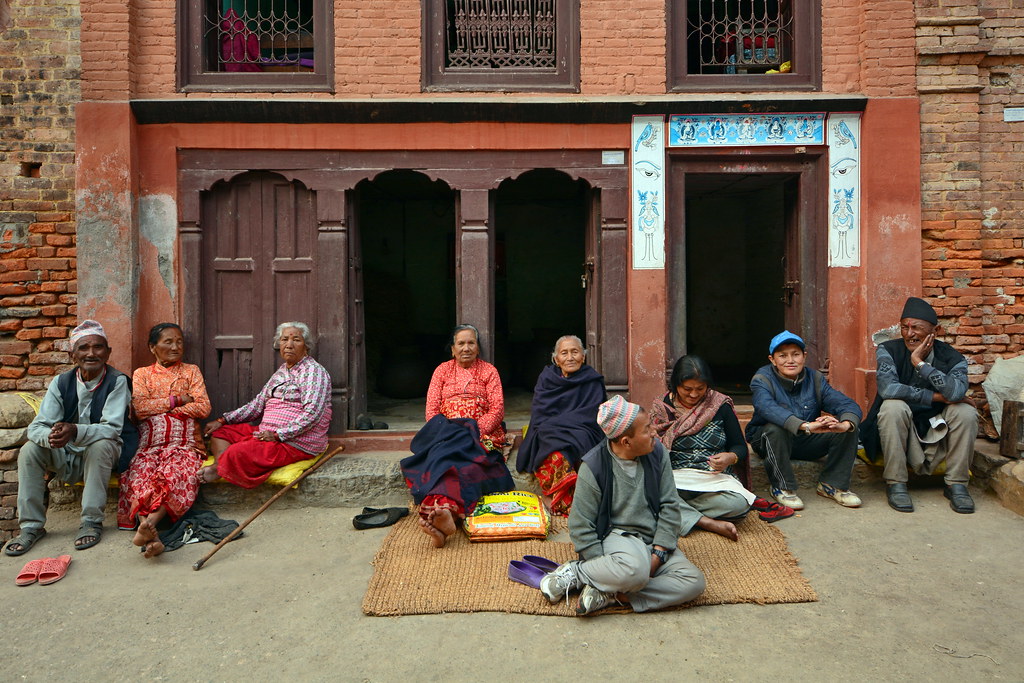
The history of Khokana is deeply connected to the Newar people. The Newars are the indigenous inhabitants of the Kathmandu Valley. They built its cities, created its art, and shaped its culture over thousands of years. Khokana is a predominantly Newar village, and the residents follow Newari customs, speak the Nepal Bhasa language, and celebrate traditional Newari festivals. Furthermore, the social structure of the village is organized around guthi, a traditional Newari community organization system. Each guthi takes responsibility for organizing festivals, maintaining temples, and supporting community members during important life events. Consequently, the guthi system has kept Khokana’s culture alive and organized for centuries, even without modern institutions taking over.
Important Landmarks
The Rudrayani Temple
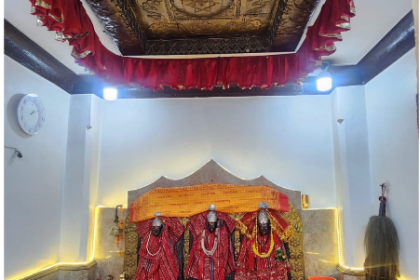
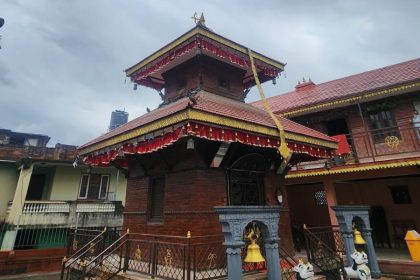
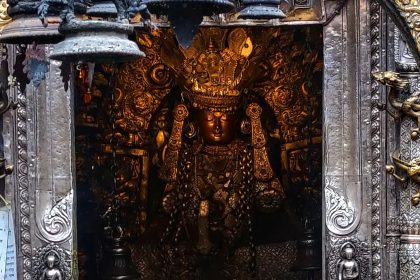
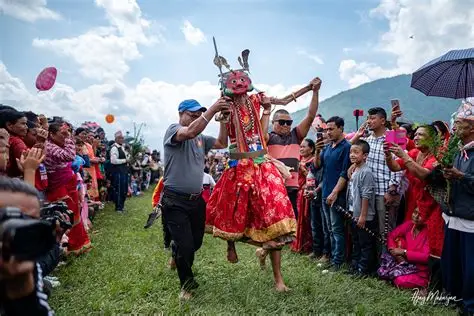
No discussion of the history of Khokana is complete without talking about the Rudrayani Temple. This temple is the most important religious site in the village and has been the center of community life for centuries. Rudrayani is worshipped as a fierce and protective mother goddess. The Newars of Khokana believe she guards their village from disease, disaster, and evil forces. Furthermore, the annual Sikali Jatra festival one of Nepal’s most unique and talked-about celebrations is held in her honor every year during the Dashain season.
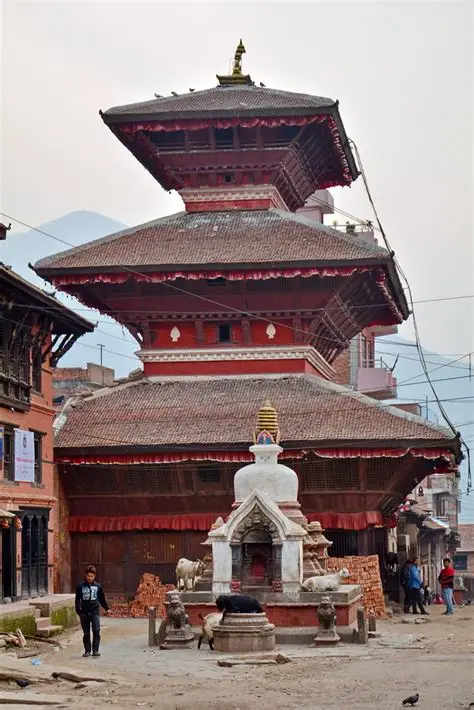
The temple’s architecture reflects traditional Newari craftsmanship, with intricately carved wooden windows, tiered roofs, and beautiful stone carvings. Therefore, visiting the Rudrayani Temple is like stepping directly into the artistic brilliance of Nepal’s ancient past.
The Traditional Newari Houses of Khokana
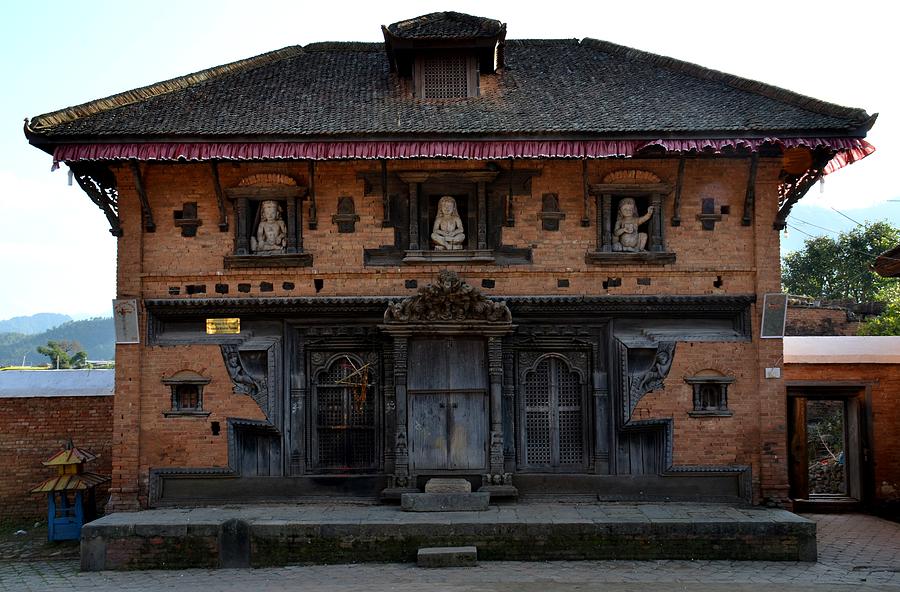
Another key part of Khokana history is its architecture. The village is filled with traditional Newari brick houses that have stood for hundreds of years. These buildings follow a specific style multi-storied, made of handmade bricks, with elaborately carved wooden doors and windows.
Khokana History and Its Festivals
Festivals as Living History
One of the most beautiful things about Khokana history is that much of it is not just written in books — it’s actually performed live every year through festivals! Festivals in Khokana are not just celebrations. They are historical re-enactments that connect the present to the ancient past.
The Sikali Jatra, for example, recreates ancient rituals that date back to the Malla period. During this festival, community members carry the idol of Goddess Rudrayani through the streets, perform ritual competitions, and make offerings at the temple. Therefore, every time the festival happens, the entire history of Khokana comes alive again in the most vibrant and emotional way possible.
Learn more about Sikali Jatra Here 👉 Sikali Jatra: Celebrating Cultural Heritage
Furthermore, traditional practices like mustard oil pressing, guthi gatherings, and Newari feast ceremonies continue to be part of daily life in Khokana. As a result, the village maintains a living connection to its ancient history that very few places in the world can claim.
Why Khokana History Matters to All of Us
The history of Khokana is not just about one small village in Nepal. It’s a story about how communities survive, traditions endure, and culture wins against the test of time. From the towering Rudrayani Temple to the smell of freshly pressed mustard oil, every part of Khokana carries a piece of history that deserves to be celebrated and protected. Furthermore, the people of this village have shown the world that you don’t need to be a big city to have a big impact on history.