
Established in 1989 BS by Rana Prime Minister Juddha Shumsher Rana as a private zoo, which later in 2013 BS was opened to the public, The Central Zoo is located in the heart of Lalitpur in LMC – 4. The government was handed over responsibility of the zoo to the National Trust for Nature Conservation in December 1995. Since then, NTNC has been upgrading the facilities so that animals can live in larger enclosures that simulate their natural environment.
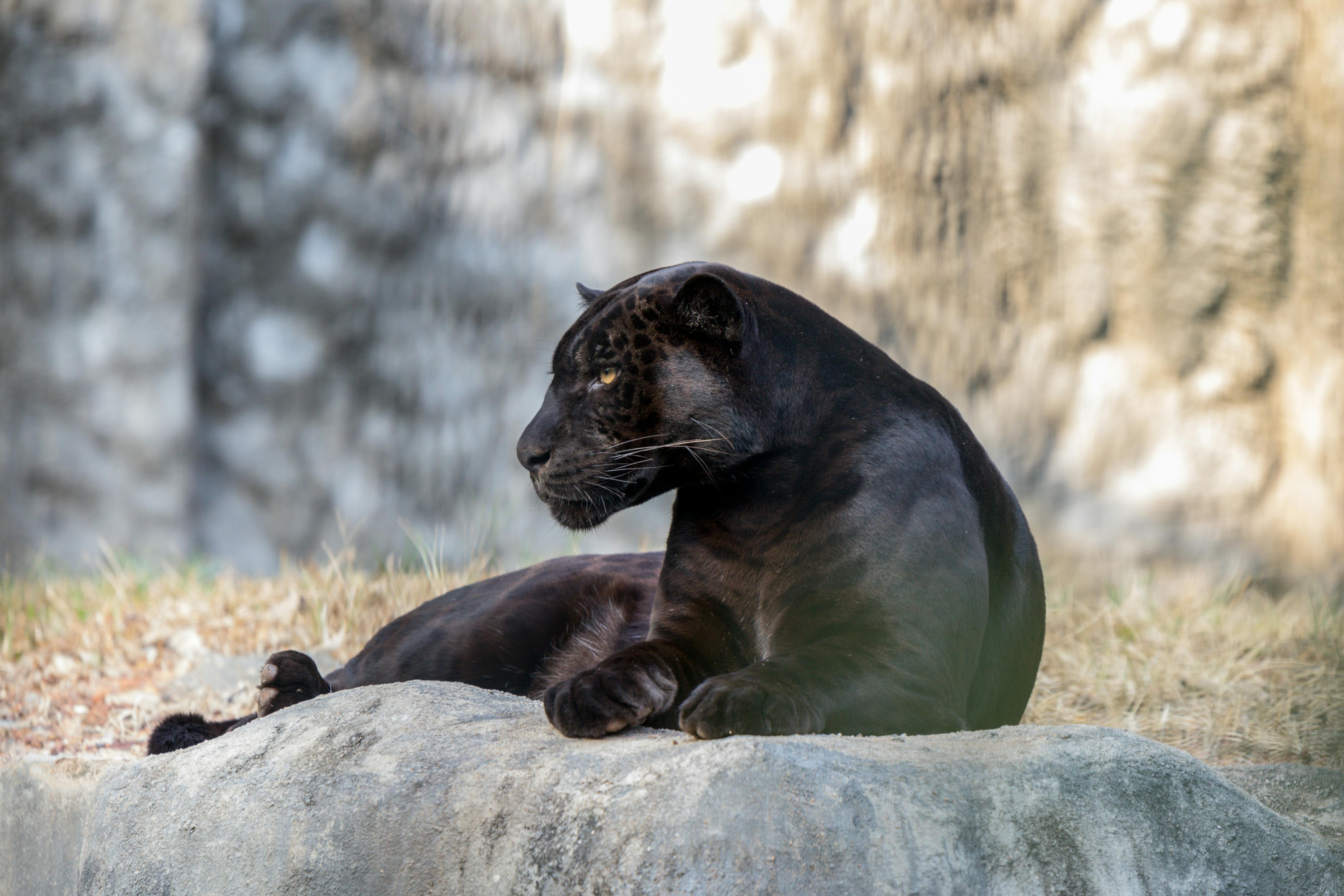
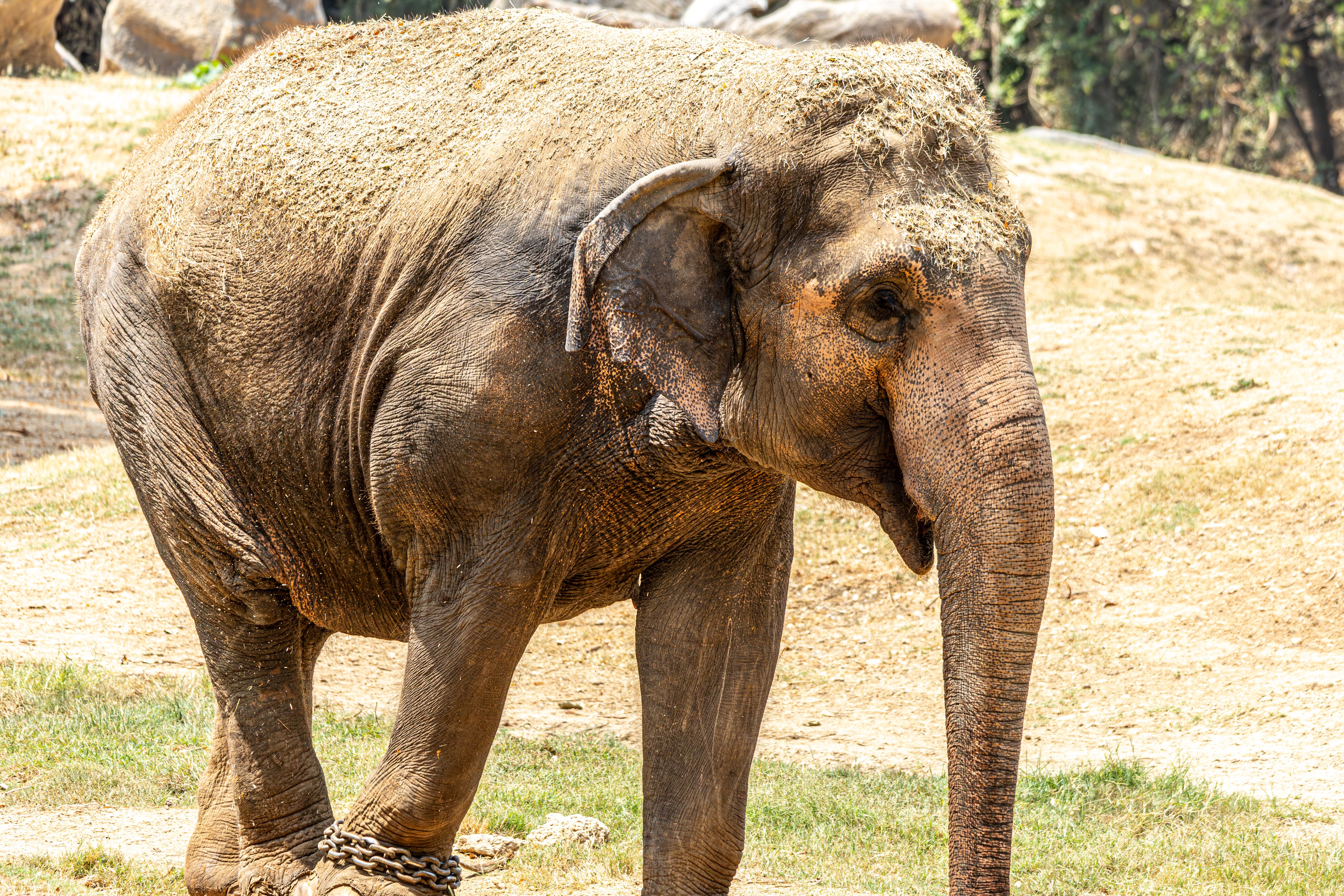
The zoo is home to about 1400 animals in 120 species, including 15 of 38 endangered local species including Royal Bengal Tigers and One Horned Rhinoceros, as well as many animals from around the world including Elephant, Red Panda Hippo, Ostriches, Chimpanzees and many birds. It also has an aquarium for subtropical fish. Recently it has had a new addition to the line-up with introduction of black panther which was rescued from Ilam was brought to the Central Zoo by the NTNC Koshi Conservation Centre.

Getting to the zoo and What’s nearby
The zoo is in the heart of Jawlakhel, which means it’s minutes away from Patan, Jhamsikhel, Kupandole, and near areas. Walking (if nearby), Taxi or Local bus that goes to Jawlakhel, which taken be taken from most of bus stop in Kathmandu, will drop you below the office of NTC, which is opposite side of the JYC football ground. You can see the gate of the zoo through the ground. If you can’t find a bus that directly goes to Jawlakhel, you have to take a bus to Lagankhel, then change the bus to Jawlakhel, trust me is simpler than it sounds. Around the zoo you have a lot of dry shops and cafes. Police Station is just few blocks away. LMC Ward 4 office is situated very close, as mentioned JYC football ground, Nepal Telecom office international gateway is here, Machindranath chariot is brought during bhoto jatra and a lot of programmes and dances are carried right in front of it so all these important and huge areas of lalitpur they are together here like neighbours in close single neighbourhood.
Apart from these, there are plenty of food shops around if you want taste of Nepali food from breakfast, lunch, snack and dinner, Thakali khana, Mo:Mo, Sweet shop, Newari khaja ghar, Bakeries, you name it.
The following is the map to the Central Zoo
Visiting Advice
i) Best time to visit:
Early morning 8–10 AM is ideal animals are most active and crowds are thin. Weekdays are noticeably quieter than weekends.
ii) Tickets:
Entry fees differ for Nepali citizens and foreign nationals. Children’s rates apply for those under a certain age. Tickets are purchased at the main gate.
iii) Opening hours:
The zoo is open daily. Hours may vary by season it is advisable to confirm current timings before your visit, especially on public holidays.
iv) Student Card:
If you are a student of Nepal, make sure to bring your ID card along with you to receive the student discount.
More than a zoo, education, entertainment and conservation
When most people think of a zoo, they picture children pressing their faces against glass, gazing at animals of distant lands. But the Central zoo has evolved from it. It serves as an institution that blends education, entertainment, and conservation into a fun memorable day for any visitor.
Education is the heart of what the zoo offers. Every visit is an opportunity to teach visitors be it young and old about ecosystems, animal behavior, biodiversity, and the balance of nature. Interactive displays, information about animals and appeasing ambiance transform a casual visit into an immersive learning experience. Children who once only saw lions in picture books can now witness their majesty up close, sparking curiosity and a lifelong respect for the natural world. Hence it’s a popular destination for school field trips.
Entertainment, too, plays a vital role, not as a distraction from main purpose, but as its gateway. If children have come along there are plenty of rides such as funny temple, train, boating, helicopter, etc which can be thrilling and fun. People come here with stress of lives, work, family, etc and once they enter through the gates, momentarily, all those become light once the ambience, the fresh breeze and encounter with majestic animals hits. When people are moved, they care. And when they care, they act. Zoo understands that wonder.
The most significance lies in conservation. The zoo is an active participant in saving species from extinction and rescuing animals. Research conducted within zoo facilities contributes directly to wildlife science, habitat restoration, and disease prevention in the wild. Friends of Zoo program allows volunteers that are kids of different schools who contribute in a lot of activities and programs in the zoo
In essence, the zoo is a living classroom, a place of wonder, a lifeline for species, a place for memory, thrill rides, and peaceful escape from all the problems and bustles of the daily city life, located right in the heart of city.