Have you ever wondered how people made metal statues before modern machines existed? Long ago, artists created beautiful sculptures using wax, clay, fire, and metal. People know this remarkable process as Lost-Wax Metal Sculpting.
Today, artists in Nepal still practice this ancient art. In particular, skilled artisans in Lalitpur continue to create stunning handmade statues using techniques that older generations passed down. As a result, they preserve important cultural traditions and pass them on to future generations.
What Is Lost-Wax Metal Sculpting?
Artists use Lost-Wax Metal Sculpting as a traditional method to create metal statues. In this process, they carefully shape a figure from wax and then cover it with layers of clay. After that, they heat the clay mold so the wax melts away, leaving an empty space inside. Finally, they pour molten metal into the mold, and once it cools, they break the clay to reveal the finished sculpture.
People often compare this process to pouring chocolate into a candy mold. However, artists require much greater skill, patience, and craftsmanship to complete it successfully. Each step demands precision, as even a small mistake can affect the final sculpture.
A Craft That Began Thousands of Years Ago
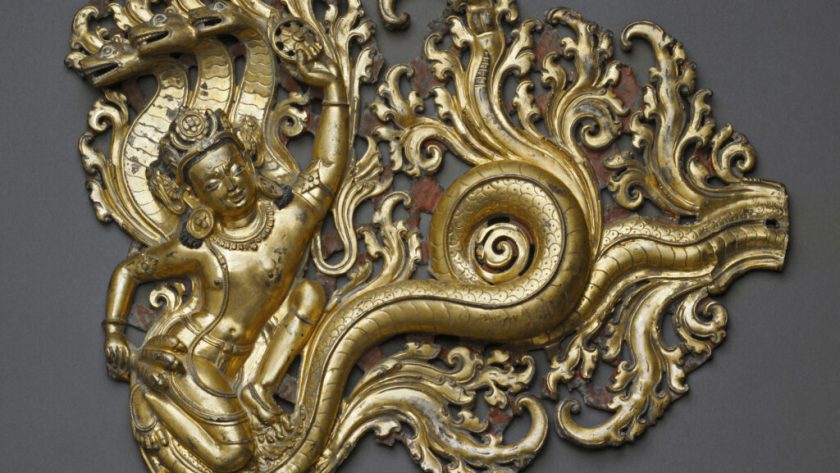
People have used this method for more than 5,000 years. Throughout history, ancient cultures across Asia, Africa, and Europe practiced this tradition. However, only a few places still preserve it successfully today. Fortunately, Nepal remains one of those places that actively preserves this ancient craft. In Lalitpur, parents still teach the craft to their children and pass it from generation to generation. As a result, people around the world recognize Nepal for its beautiful Nepalese Metal Art.
Why Lalitpur Is Famous for Metal Art
The City of Skilled Artists
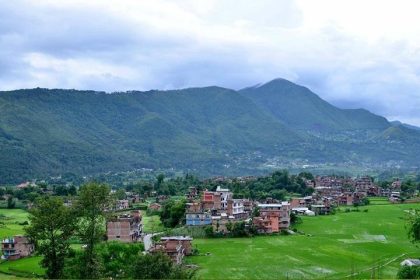
Lalitpur, also known as Patan, is famous for its temples, carvings, and metal sculptures. Even today, traditional tools are still used in many workshops. As a result, each statue is crafted with exceptional attention to detail.
Furthermore, some sculptures require weeks or even months to complete. The city is home to many talented Lalitpur artisans who work hard to protect their artistic heritage.
Handmade Art Takes Time
Creating a metal statue is a slow and detailed process. Every feature must be carefully shaped by hand. For example, artists often create:
- Buddha statues
- Hindu gods and goddesses
- Temple decorations
- Ritual objects
Consequently, these beautiful handmade metal statues are highly valued and sold around the world.
Step-by-Step: How Ancient Bronze Casting Works
Step 1:Creating the Wax Shape
First, artisans create a model using soft wax. This model determines the final shape of the statue. Additionally, they carefully add tiny details such as jewelry, facial features, and clothing folds at this stage.
Step 2: Covering the Model With Clay
Next, artisans cover the wax model with several layers of clay. Afterward, they let the clay dry until it forms a strong outer shell.
Step 3: Melting the Wax Away
The mold is then heated in a fire. During this process, the wax melts and drains out. Because the original wax model disappears completely, people call this technique “lost-wax” casting.
Step 4: Pouring the Hot Metal
Meanwhile, artisans melt bronze or brass in a furnace. Once it reaches the right temperature, they carefully pour the glowing liquid metal into the mold. This important stage is known as ancient bronze casting.
Step 5: Breaking the Mold
Finally, after the metal cools, artisans break the clay mold. As a result, they reveal a brand-new metal sculpture. They then polish and refine the statue until it achieves a smooth finish.
Why Traditional Sculpture Making Still Matters
It Protects History
These sculptures represent more than simple decorations. Instead, they preserve stories, beliefs, and traditions. Therefore, artisans play a crucial role in protecting cultural heritage.
It Supports Local Families
In addition, families run many workshops in this craft. They teach traditional skills to younger generations and earn income through the sale of artwork. Consequently, both culture and livelihoods are supported.
It Shows Human Creativity
Although machines produce objects quickly, handmade art offers something unique. Artisans shape every detail by hand and invest great care into each piece. For this reason, people around the world continue to admire traditional sculpture making.
Challenges Faced by Modern Artists
However, today’s artisans face several serious challenges that affect their traditional craft.
Expensive Materials
The rising costs of metal, clay, and fuel significantly affect production. As a result, many small workshops struggle to continue their work and maintain regular production.
Competition from Machines
Additionally, factory-made statues dominate the market with lower prices. Although these products cost less, they rarely match the craftsmanship and fine details that skilled artisans achieve in handmade sculptures.
Fewer Young Learners
Furthermore, many young people choose modern careers instead of traditional crafts. Consequently, fewer apprentices join the field, and this reduces the number of people who can continue the art form.
How Nepal Keeps the Tradition Alive
Nepal actively preserves its traditional craftsmanship through education, tourism, and growing global appreciation.
Art Schools and Training
Fortunately, schools and training centers offer traditional art programs. Through these programs, teachers pass valuable skills to new generations of students, helping them learn and continue the craft.
Tourism Helps Local Artists
At the same time, tourists who visit Patan buy handmade sculptures as souvenirs. As a result, local workshops gain important financial support and continue their production.
Global Interest in Handmade Art
Moreover, people around the world increasingly appreciate handmade products. Because of this growing interest, Nepalese metal art attracts collectors, travelers, and art lovers from many countries.
Conclusion
In conclusion, Lost-Wax Metal Sculpting is much more than an ancient craft. It remains a living tradition that thrives in Nepal today. Skilled Lalitpur artisans actively create beautiful handmade metal statues using ancient bronze casting techniques. As a result, they preserve history, culture, and creativity for future generations.
Next time you see a metal statue, remember the wax, clay, fire, and craftsmanship that artists use to bring it to life.