Discover the Mysterious Legends, Peaceful Nature, and Cultural Beauty of Lalitpur Nepal
Introduction to Nag Daha Lalitpur
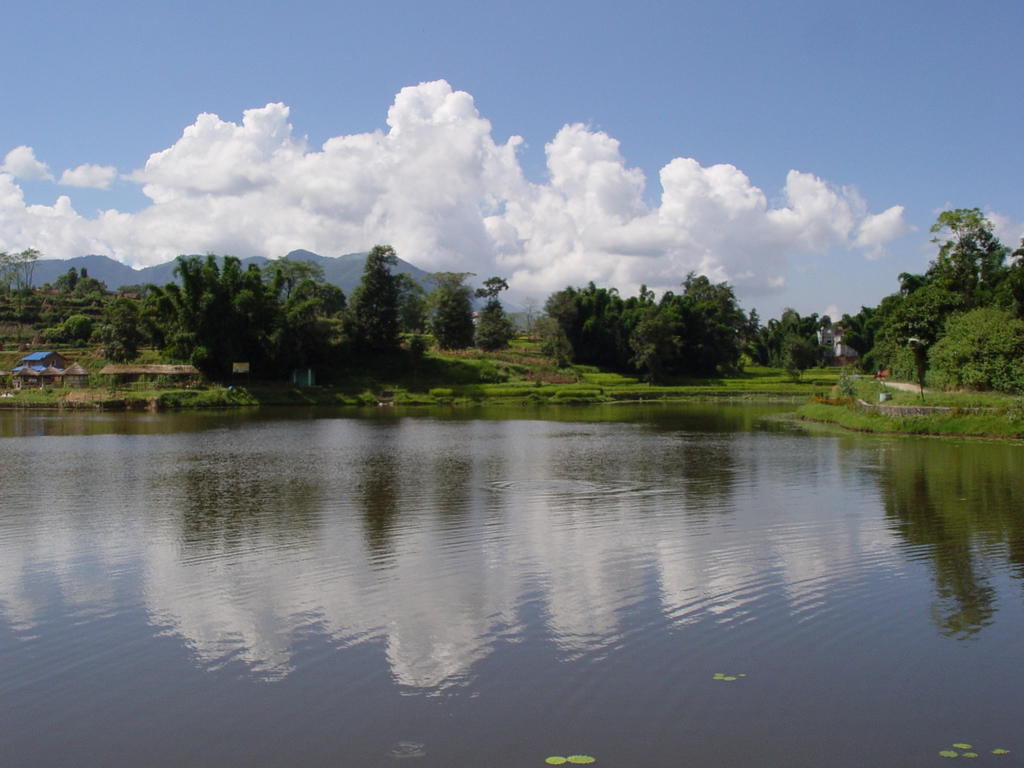
Nag Daha is a beautiful natural pond in Dhapakhel, Lalitpur. Moreover, it is a peaceful place with calm water, green trees, and a quiet environment. As a result, many people visit Nag Daha for relaxation, nature, and peace.
Where Is Nag Daha Lalitpur Located?
Nag Daha is located in the Dhapakhel area of Lalitpur, Nepal. It is a beautiful natural pond surrounded by a peaceful environment. Moreover, the name “Nag” means serpent god and “Daha” means pond or lake. Therefore, many people believe this lake is connected to religious beliefs and local traditions.
In addition, Nag Daha is an important place in the Kathmandu Valley. As a result, many visitors come here throughout the year to enjoy its calm water, fresh air, and natural beauty.
History of Nag Daha Lalitpur
Although the exact age of Nag Daha is not known, local people believe it is a very old natural pond. Moreover, it is an important place in Dhapakhel, Lalitpur, known for its calm water and peaceful surroundings.
According to local stories, the pond was formed from water coming out of the stone tap of Gaukhureshwor Temple. As a result, over time, this small water source slowly grew and became the large Nag Daha pond we see today.
Connection With Serpent Gods
In addition, local beliefs suggest that serpent kings and queens once lived inside the pond. In Hindu culture, serpents are strongly associated with rain, water, fertility, and nature. Because of this connection, people have worshipped Nag Daha as a sacred place for generations.
Famous Legends of Nag Daha Lalitpur
One of the most fascinating aspects of Nag Daha is its collection of ancient legends and myths.
The Love Story of the Serpent King and Queen
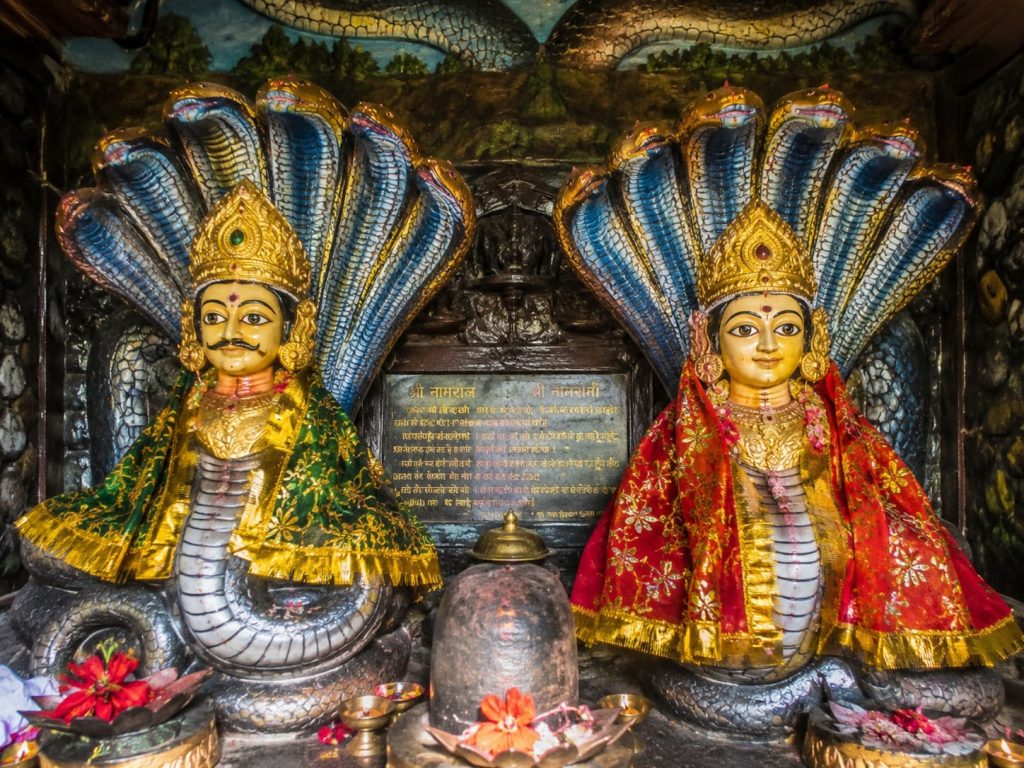
According to a popular legend, the serpent king from Taudaha visited Nag Daha during the rainy season to meet his beloved serpent queen. Interestingly, local people believed that heavy rainfall followed their meeting. Consequently, serpents became important symbols of rain, fertility, and prosperity.
The Story of Lord Shiva
Another well-known legend connects Nag Daha with Lord Shiva. It is believed that Lord Shiva once stayed near the pond while serpent gods served and protected him.
However, the story says that Goddess Bajrabarahi later appeared in the form of a wild boar and made a loud sound. As a result, Lord Shiva left the area and moved to Gosainkunda. Nevertheless, people continued to respect Nag Daha as a holy place.
What Was Nag Daha Like in the Past?
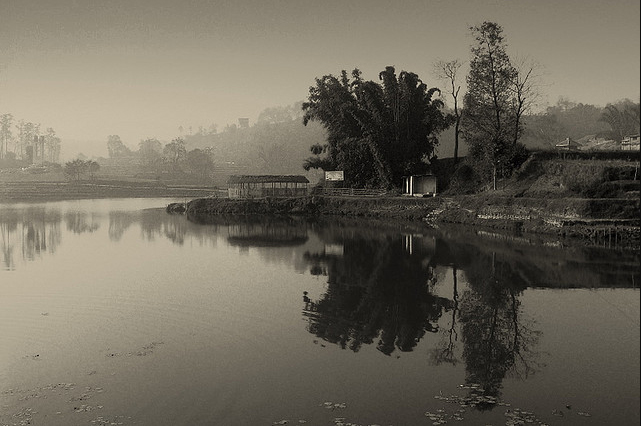
In the past, Nag Daha was surrounded by forests, farmland, and green hills. As a result, the environment was fresh, peaceful, and rich in biodiversity.
At that time:
- Many birds lived around the pond.
- Fish and aquatic animals were commonly found.
- Farmers worked in the nearby fields.
- Devotees visited for worship and festivals.
Moreover, there were very few houses and roads surrounding the area.
Nag Daha Lalitpur Today
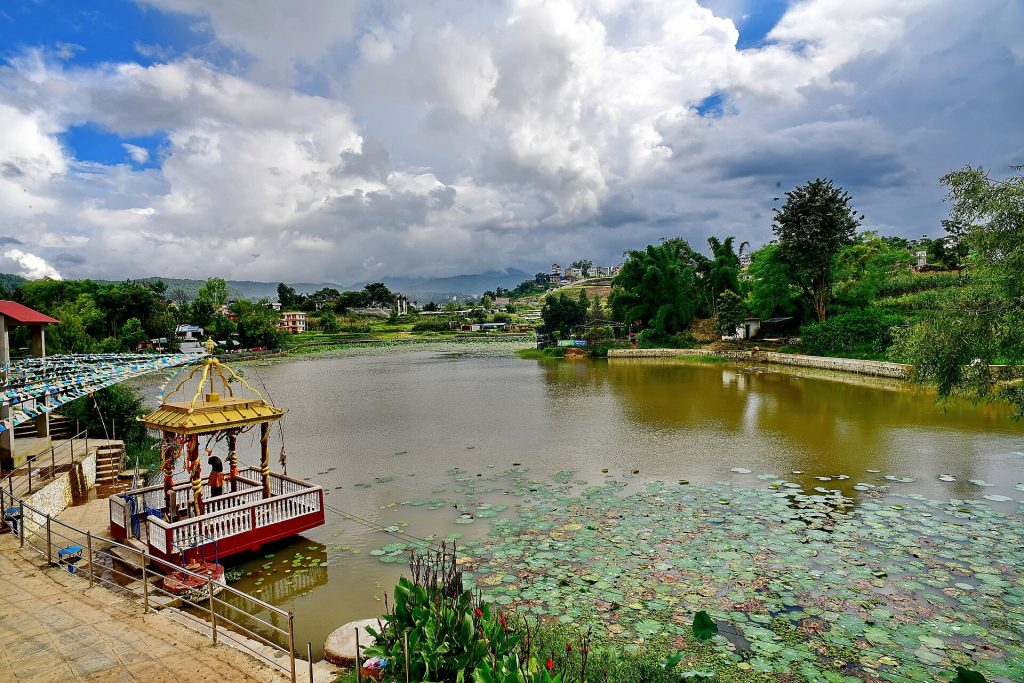
Today, Nag Daha has become one of the most popular natural attractions in Lalitpur. Every day, visitors come here to enjoy nature and spend quality time with family and friends.
Currently, people visit Nag Daha for:
- Morning and evening walks
- Photography and videography
- Family outings
- Bird watching
- Religious worship
- Nag Panchami celebrations
However, increasing urbanization and pollution have started affecting the natural environment.
Why Is Nag Panchami Important at Nag Daha?
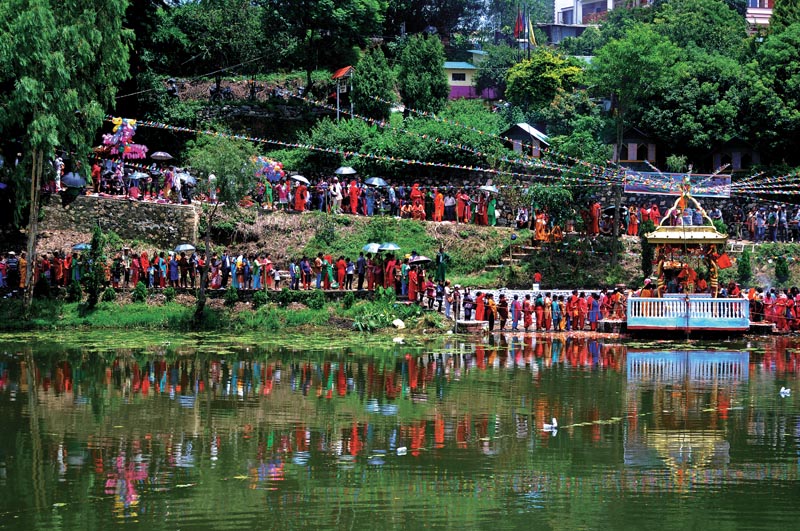
Nag Panchami is one of the most important festivals celebrated at Nag Daha. During this festival, people worship serpent gods and pray for rain, prosperity, and peace.
Historically, agriculture was the primary source of livelihood in Nepal. Therefore, farmers depended heavily on timely rainfall for successful harvests.
People traditionally believed that:
- Happy serpent gods bring rain.
- Good rainfall supports healthy crops.
- Prosperity enters the household.
- Nature remains balanced.
Because of these beliefs, Nag Panchami continues to be an important cultural tradition.
The Relationship Between Serpent Gods and Water
In Hindu mythology, serpent gods are considered guardians of water sources such as ponds, rivers, wells, and springs.
Consequently, many people believed that displeased serpent gods could cause droughts, floods, diseases, and crop failures. On the other hand, satisfied serpent gods would bring sufficient rainfall and agricultural prosperity.
For this reason, people continue to respect and worship places like Nag Daha.
Things to Do at Nag Daha Lalitpur
Besides its religious significance, Nag Daha also offers several enjoyable activities for visitors.
1. Religious Worship
Devotees offer milk, flowers, rice, and sweets to serpent gods, especially during Nag Panchami.
2. Sightseeing
Visitors can relax and enjoy the peaceful natural surroundings.
3. Photography and Videography
The beautiful landscape and calm waters make Nag Daha a perfect location for photos and videos.
4. Bird Watching
Bird enthusiasts can often spot kingfishers, egrets, parakeets, and other species around the pond.
5. Environmental Conservation Programs
Local communities and youth groups regularly organize cleaning campaigns and conservation activities to protect the pond.
Why Is Nag Daha Lalitpur Important?
Nag Daha is important because it preserves both natural and cultural heritage.
Specifically, it helps to:
- Protect religious traditions
- Preserve local culture
- Conserve natural beauty
- Support wildlife and bird habitats
- Promote tourism in Lalitpur
Therefore, many people consider Nag Daha one of Lalitpur’s hidden treasures.
Conclusion
In conclusion, Nag Daha Lalitpur is much more than a pond. It is a unique religious, cultural, and natural heritage site filled with fascinating legends, peaceful scenery, and historical importance.
Most importantly, Nag Daha reminds us of the deep connection between nature, culture, and spirituality. Therefore, protecting and preserving this beautiful heritage site remains the responsibility of everyone.